


Cultural differences in perceptual reorganization in US and Pirahã adults
- PMID: 25411970
- PMCID: PMC4238998
- DOI: 10.1371/journal.pone.0110225
Cultural differences in perceptual reorganization in US and Pirahã adults
Abstract
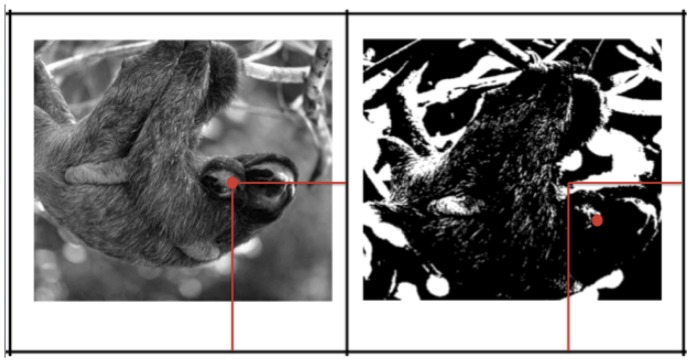
Visual illusions and other perceptual phenomena can be used as tools to uncover the otherwise hidden constructive processes that give rise to perception. Although many perceptual processes are assumed to be universal, variable susceptibility to certain illusions and perceptual effects across populations suggests a role for factors that vary culturally. One striking phenomenon is seen with two-tone images-photos reduced to two tones: black and white. Deficient recognition is observed in young children under conditions that trigger automatic recognition in adults. Here we show a similar lack of cue-triggered perceptual reorganization in the Pirahã, a hunter-gatherer tribe with limited exposure to modern visual media, suggesting such recognition is experience- and culture-specific.
Conflict of interest statement
Figures


References
-
- Adelson EH (1993) Perceptual organization and the judgment of brightness. Science 262: 2042–2044. - PubMed
-
- Helmholtz Hv (1971) Selected writings of Hermann von Helmholtz; Kahl R, editor. Middletown, Conn.: Wesleyan University Press. 542 p.
-
- Spelke ES (1990) Principles of Object Perception. Cognitive Science 14: 29–56.
-
- Köhler W (1929) Gestalt psychology. New York: H. Liveright. 403 p.
MeSH terms
LinkOut - more resources
Full Text Sources
Other Literature Sources
