


Obesity: pathophysiology and intervention
- PMID: 25412152
- PMCID: PMC4245585
- DOI: 10.3390/nu6115153
Obesity: pathophysiology and intervention
Abstract
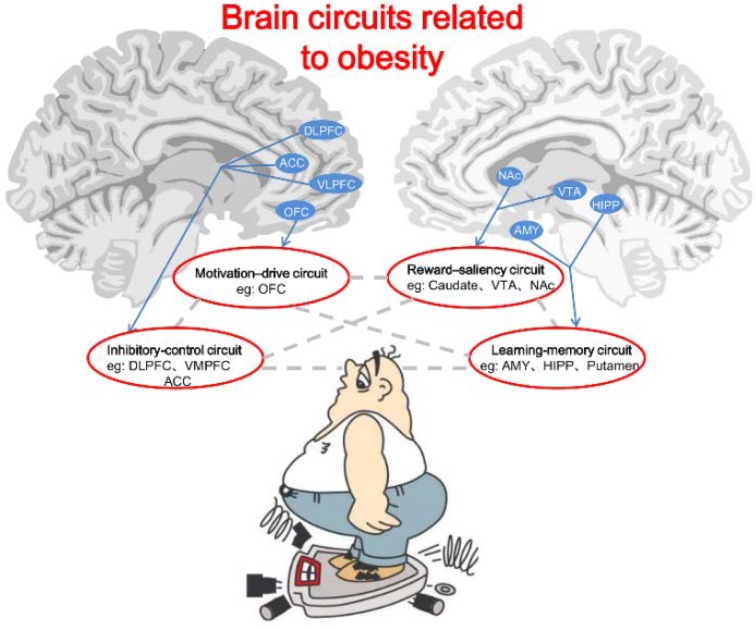
Obesity presents a major health hazard of the 21st century. It promotes co-morbid diseases such as heart disease, type 2 diabetes, obstructive sleep apnea, certain types of cancer, and osteoarthritis. Excessive energy intake, physical inactivity, and genetic susceptibility are main causal factors for obesity, while gene mutations, endocrine disorders, medication, or psychiatric illnesses may be underlying causes in some cases. The development and maintenance of obesity may involve central pathophysiological mechanisms such as impaired brain circuit regulation and neuroendocrine hormone dysfunction. Dieting and physical exercise offer the mainstays of obesity treatment, and anti-obesity drugs may be taken in conjunction to reduce appetite or fat absorption. Bariatric surgeries may be performed in overtly obese patients to lessen stomach volume and nutrient absorption, and induce faster satiety. This review provides a summary of literature on the pathophysiological studies of obesity and discusses relevant therapeutic strategies for managing obesity.
Figures
References
-
- Rayner G., Lang T. Clinical Obesity in Adults and Children. Wiley-Blackwell; Malden, USA: 2009. Obesity: Using the ecologic public health approach to overcome policy cacophony; pp. 452–470.
Publication types
MeSH terms
Substances
LinkOut - more resources
Full Text Sources
Other Literature Sources
Medical
