


Animal models of ischemia-reperfusion-induced intestinal injury: progress and promise for translational research
- PMID: 25414098
- PMCID: PMC4297854
- DOI: 10.1152/ajpgi.00112.2013
Animal models of ischemia-reperfusion-induced intestinal injury: progress and promise for translational research
Abstract
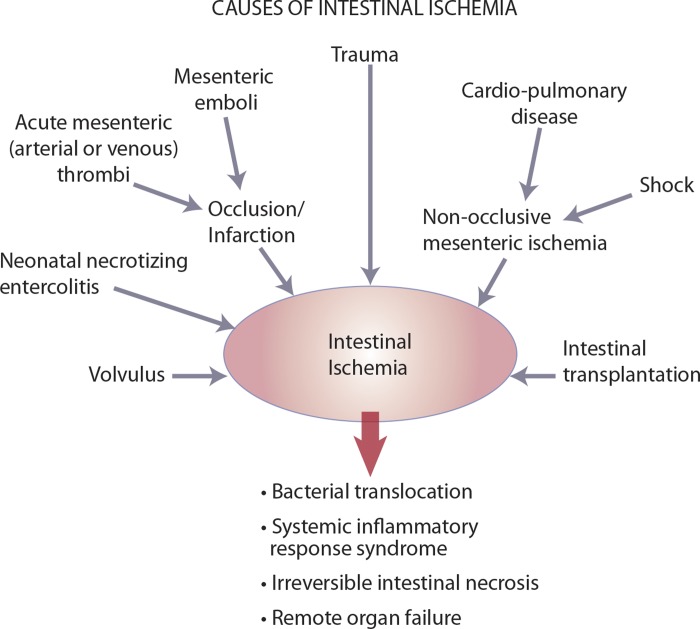
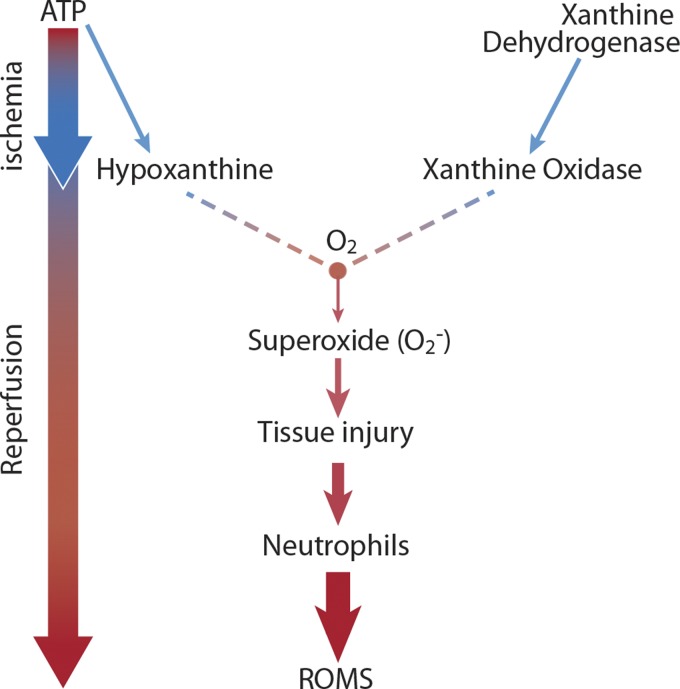
Research in the field of ischemia-reperfusion injury continues to be plagued by the inability to translate research findings to clinically useful therapies. This may in part relate to the complexity of disease processes that result in intestinal ischemia but may also result from inappropriate research model selection. Research animal models have been integral to the study of ischemia-reperfusion-induced intestinal injury. However, the clinical conditions that compromise intestinal blood flow in clinical patients ranges widely from primary intestinal disease to processes secondary to distant organ failure and generalized systemic disease. Thus models that closely resemble human pathology in clinical conditions as disparate as volvulus, shock, and necrotizing enterocolitis are likely to give the greatest opportunity to understand mechanisms of ischemia that may ultimately translate to patient care. Furthermore, conditions that result in varying levels of ischemia may be further complicated by the reperfusion of blood to tissues that, in some cases, further exacerbates injury. This review assesses animal models of ischemia-reperfusion injury as well as the knowledge that has been derived from each to aid selection of appropriate research models. In addition, a discussion of the future of intestinal ischemia-reperfusion research is provided to place some context on the areas likely to provide the greatest benefit from continued research of ischemia-reperfusion injury.
Keywords: animal model; intestine; ischemia; mucosal injury; reperfusion.
Copyright © 2015 the American Physiological Society.
Figures
References
-
- Acosta S, Nilsson TK, Malina J, Malina M. l-lactate after embolization of the superior mesenteric artery. J Surg Res 143: 320–328, 2007. - PubMed
-
- Aharinejad S, Lametschwandtner A, Franz P, Firbas W. The vascularization of the digestive tract studied by scanning electron microscopy with special emphasis on the teeth, esophagus, stomach, small and large intestine, pancreas, and liver. Scanning Microsc 5: 811–849, 1991. - PubMed
-
- Ahdieh N, Blikslager AT, Bhat BG, Coleman RA, Argenzio RA, Rhoads JM. l-Glutamine and transforming growth factor-alpha enhance recovery of monoacylglycerol acyltransferase and diacylglycerol acyltransferase activity in porcine postischemic ileum. Pediatr Res 43: 227–233, 1998. - PubMed
-
- American Gastroenterological Association Medical Position Statement: guidelines on intestinal ischemia. Gastroenterology 118: 951–953, 2000. - PubMed
-
- Arakawa K, Takeyoshi I, Akao Y, Totsuka O, Matsumoto K, Morishita Y. Bradykinin B2 receptor antagonist FR173657 ameliorates small bowel ischemia-reperfusion injury in dogs. Dig Dis Sci 50: 27–36, 2005. - PubMed
Publication types
MeSH terms
Substances
Grants and funding
LinkOut - more resources
Full Text Sources
Other Literature Sources
