


The role of ketamine in treatment-resistant depression: a systematic review
- PMID: 25426012
- PMCID: PMC4243034
- DOI: 10.2174/1570159X12666140619204251
The role of ketamine in treatment-resistant depression: a systematic review
Abstract
Background: At least 10-20% of the patients suffering from depression meet criteria for treatment-resistant depression (TRD). In the last decades, an important role of glutamate in mood modulation has been hypothesized and ketamine, a non noncompetitive antagonist of the N-methyl-D-aspartate (NMDA) receptors, has been demonstrated to be effective in both MDD and TRD. However, concerns emerged about the optimal dosage, and frequency of administration of this treatment.
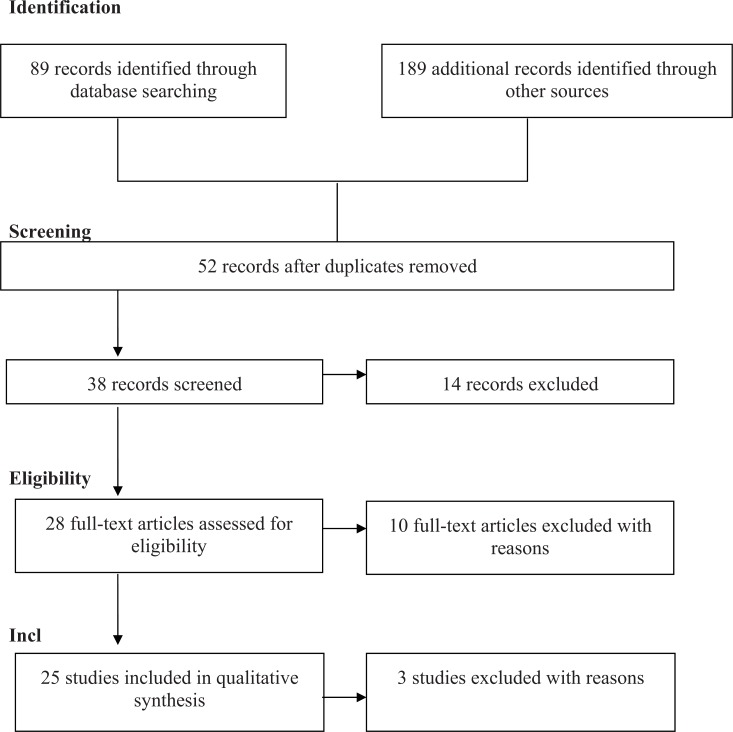
Methods: aiming to systematically review the current literature focusing on the main pharmacological properties and impact of ketamine in TRD, a detailed literature search in PubMed/Medline and ScienceDirect databases was conducted. Twenty-four manuscripts including a total of 416 patients fulfilled inclusion criteria.
Results: Most studies demonstrated that the NMDA antagonist ketamine has rapid antidepressant effects in TRD patients, confirming the active role of glutamate in the pathophysiology of this complex condition. Ketamine has been demonstrated to be rapidly effective and was associated with a significant clinical improvement in depressive symptoms within hours after administration. Also, ketamine was also found to be effective in reducing suicidality in TRD samples.
Limitations: The long-term efficacy of ketamine has not been investigated by most studies. The psychotomimetic properties may complicate the application of this pharmacological agent.
Conclusions: Ketamine may be considered a valid and intriguing antidepressant option for the treatment of TRD. Further studies are needed to evaluate its long-term antidepressant efficacy in patients with TRD.
Keywords: Antidepressant effect; NMDA receptors; ketamine; pharmacological properties; treatment-resistant depression..
Figures
References
-
- Soleimani L, Lapidus KA, Iosifescu DV. Diagnosis and treatment of major depressive disorder. Neurol. Clin. 2011;29:177–179. - PubMed
-
- Greer TL, Kurian BT, Trivedi MH. Defining and measuring functional recovery from depression. CNS Drugs. 2010;24:267–284. - PubMed
-
- Pompili M, Iliceto P, Luciano D, Innamorati M, Serafini G, Del Casale A, Tatarelli R, Girardi P, Lester D. Higher hopelessness and suicide risk predict lower self-deception among psychiatric patients and non-clinical individuals. Riv. Psichiatr. 2011;46:24–30. - PubMed
-
- Serafini G, Pompili M, Innamorati M, Giordano G, Montebovi F, Sher L, Dwivedi Y, Girardi P. The role of microRNAs in synaptic plasticity, major affective disorders and suicidal behavior. Neurosci. Res. 2012;73:179–190. - PubMed
LinkOut - more resources
Full Text Sources
Other Literature Sources