. 2014 Dec 3;9(12):e114379.
doi: 10.1371/journal.pone.0114379. eCollection 2014.

A new insight into the physiological role of bile salt hydrolase among intestinal bacteria from the genus Bifidobacterium

Affiliations

A new insight into the physiological role of bile salt hydrolase among intestinal bacteria from the genus Bifidobacterium

Piotr Jarocki et al. PLoS One. .

Abstract

This study analyzes the occurrence of bile salt hydrolase in fourteen strains belonging to the genus Bifidobacterium. Deconjugation activity was detected using a plate test, two-step enzymatic reaction and activity staining on a native polyacrylamide gel. Subsequently, bile salt hydrolases from B. pseudocatenulatum and B. longum subsp. suis were purified using a two-step chromatographic procedure. Biochemical characterization of the bile salt hydrolases showed that the purified enzymes hydrolyzed all of the six major human bile salts under the pH and temperature conditions commonly found in the human gastrointestinal tract. Next, the dynamic rheometry was applied to monitor the gelation process of deoxycholic acid under different conditions. The results showed that bile acids displayed aqueous media gelating properties. Finally, gel-forming abilities of bifidobacteria exhibiting bile salt hydrolase activity were analyzed. Our investigations have demonstrated that the release of deconjugated bile acids led to the gelation phenomenon of the enzymatic reaction solution containing purified BSH. The presented results suggest that bile salt hydrolase activity commonly found among intestinal microbiota increases hydrogel-forming abilities of certain bile salts. To our knowledge, this is the first report showing that bile salt hydrolase activity among Bifidobacterium is directly connected with the gelation process of bile salts. In our opinion, if such a phenomenon occurs in physiological conditions of human gut, it may improve bacterial ability to colonize the gastrointestinal tract and their survival in this specific ecological niche.


Conflict of interest statement

Competing Interests: The authors have declared that that no competing interests exist.

Figures

Figure 1
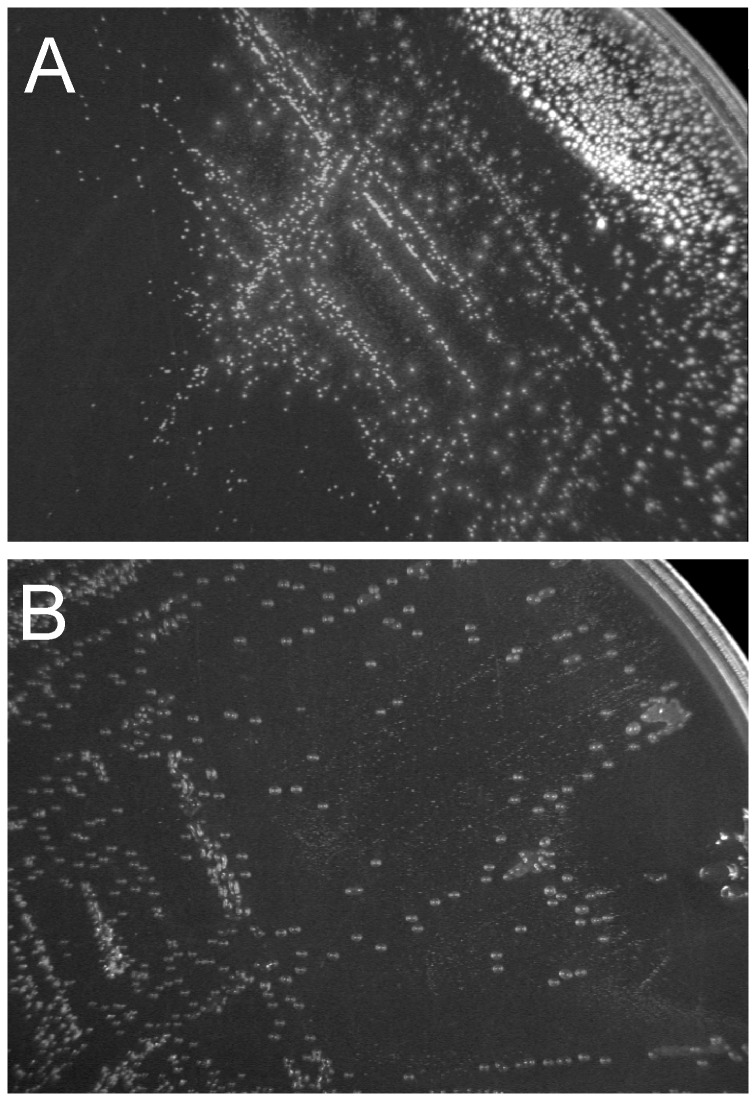
Figure 1. Detection of bile salt hydrolase in Bifidobacterium using the plate test.
Analysis of colony morphologies of Bifidobacterium was performed on solidified MRS (A) and Garche's medium (B) containing bile salts on the example of Bifidobacterium bifidum DSM 20456.
Figure 2
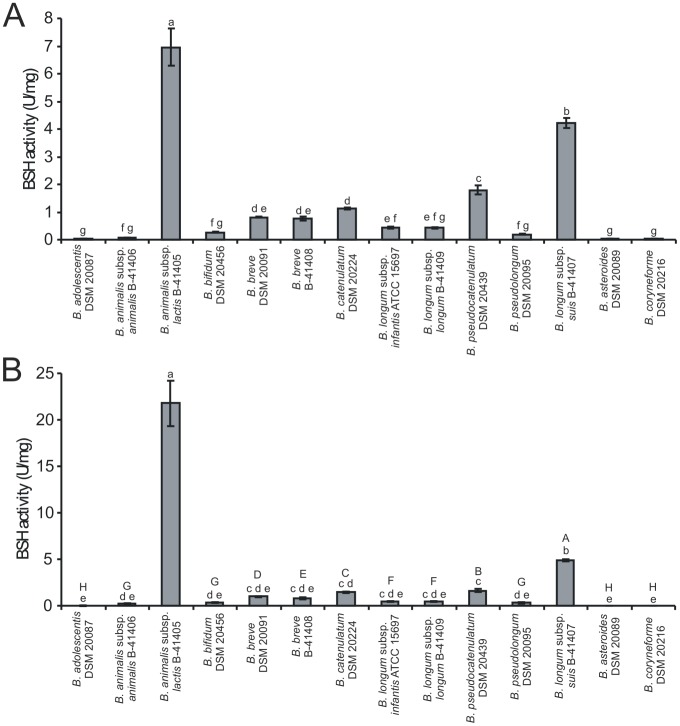
Figure 2. Comparison of bile salt hydrolase activity in fourteen strains belonging to the genus Bifidobacterium.
BSH activity (units mg−1 protein) was measured by determining the amount of amino acids liberated from sodium taurodeoxycholate (A) and sodium glycodeoxycholate (B). Data are presented as the mean of six independent replicates. Error bars represent standard deviation. Different lower case letters designate the means with statistically significant differences (p<0.05). For assays with GDCA (B) capital letters indicate statistically significant differences (p<0.05), excluding results obtained for B. animalis subsp. lactis.
Figure 3
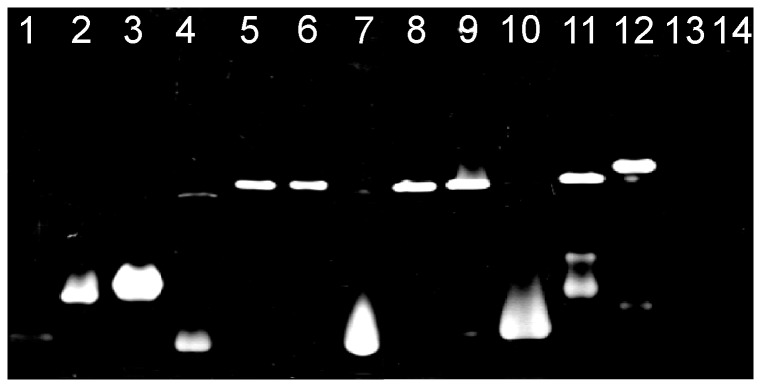
Figure 3. Activity staining on a non-denaturing polyacrylamide gel.
Native electrophoresis was performed using 10% nondenaturating acrylamide gel that was stained using reaction buffer containing 10 mM GDCA. The enzymatic activity in the gel was identified by the formation of white precipitate of deoxycholic acid at the position of bile salt hydrolase. Lanes: 1, B. adolescentis DSM 20087; 2, B. animalis subps. animalis NRRL B-41406; 3, B. animalis subps. lactis NRRL B-41405; 4, B. bifidum DSM 20456; 5, B. breve DSM 20091; 6, B. breve NRRL B-41408; 7, B. catenulatum DSM 20224; 8, B. infantis ATCC 15697; 9, B. longum NRRL B-41409; 10, B. pseudocatenulatum DSM 20439; 11; B. pseudolongum DSM 20099; 12, B. suis NRRL B-41407; 13, B. asteroides DSM 20089; 14, B. coryneforme DSM 20216.
Figure 4
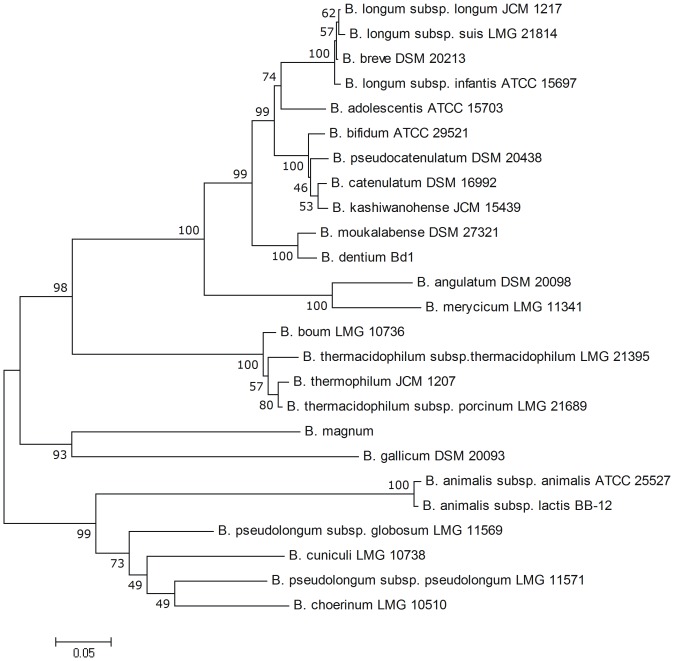
Figure 4. Phylogenetic tree based on amino acid sequence of BSHs from different bifidobacteria.
The phylogenetic tree was calculated using neighbor joining method from 1000 bootstrapping replicates with software package MEGA version 4.0. Amino acid sequences used for phylogenetic tree calculation are present in the NCBI database under the following accession numbers: YP_909719.1, KFI89881.1, EFE89535.1, YP_002322914.1, YP_004220577.1, KFI71781.1, AAT11513.1, ETY71513.1, KFI75916.1, EEB21828.1, EDT46256.1, EEP21498.1, KFJ07027.1, KFI79764.1, KFI78707.1, KFI67852.1, EFA23638.1, KFI70893.1, KFI67645.1, KFI47755.1, KFJ00339.1, KFJ02268.1, KFI57613.1, KFI65994.1, YP_006280029.1, YP_002969854.1.
Figure 5
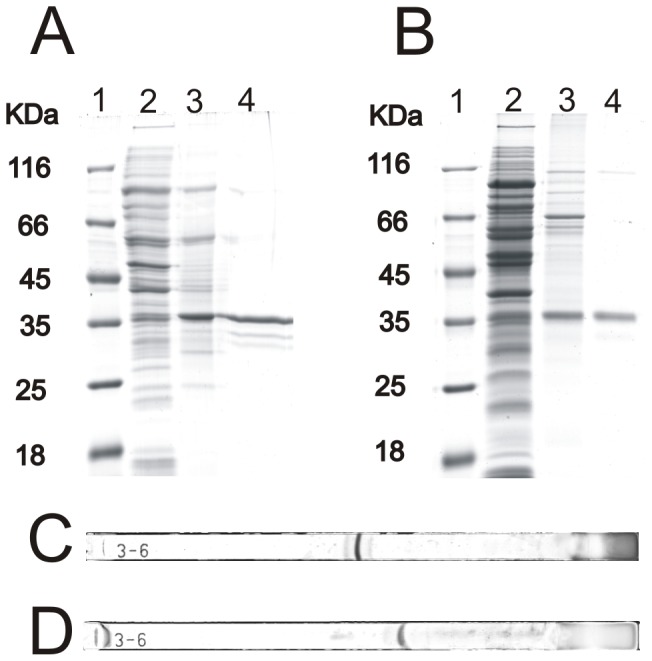
Figure 5. Electrophoretic examination of the tested bile salt hydrolases.
SDS-PAGE analysis of fractions obtained during the purification of BSHs from B. pseudocatenulatum (A) and B. suis (B) was performed on 12% polyacrylamide gels under denaturing conditions. Gels were stained with Coomassie Brilliant Blue R250. Lanes: 1, molecular weight marker; 2, cell-free extract; 3, pooled fractions from hydrophobic interaction chromatography (HIC); 4, active fractions from HIC plus ion-exchange chromatography. Isoelectric point determination of the purified BSHs from B. pseudocatenulatum (C) and B. suis (D) was performed using 7 cm, pH 3-6, linear IPG strips stained with CBB R250.
Figure 6
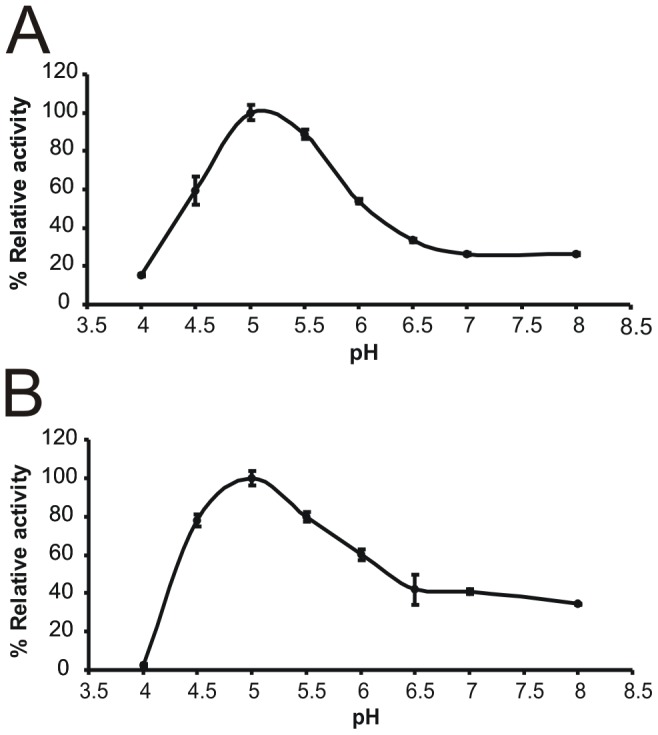
Figure 6. Effect of pH on the activity of the purified bile salt hydrolase from B. pseudocatenulatum (A) and B. suis (B).
Relative deconjugation activity at various pH was calculated using results obtained for pH 5 as a standard at 100%. Values are expressed as the means of three independent replicates. Error bars represent standard deviation.
Figure 7
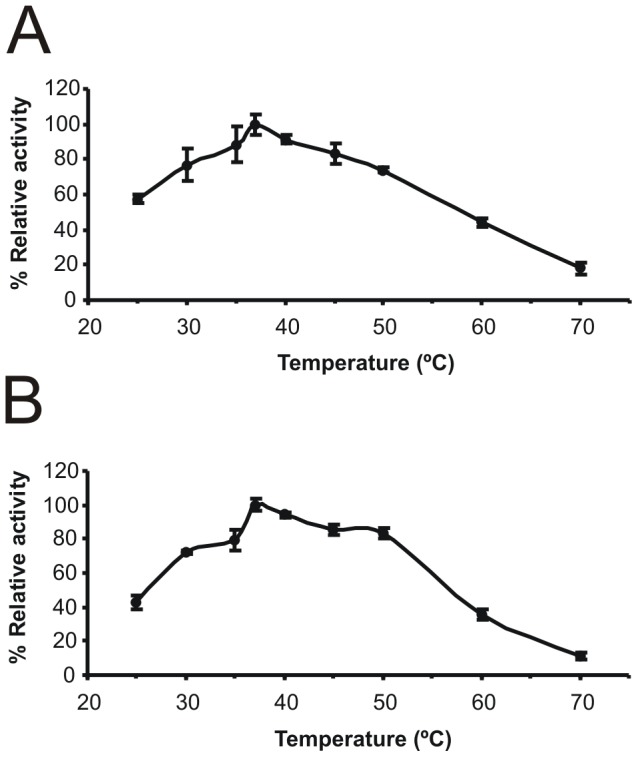
Figure 7. Effect of temperature on the activity of the purified bile salt hydrolase from B. pseudocatenulatum (A) and B. suis (B).
Relative deconjugation activity at various tempearatures was calculated using results obtained at 37°C as a standard at 100%. The results are expressed as the means of three independent replicates. Error bars represent standard deviation.
Figure 8
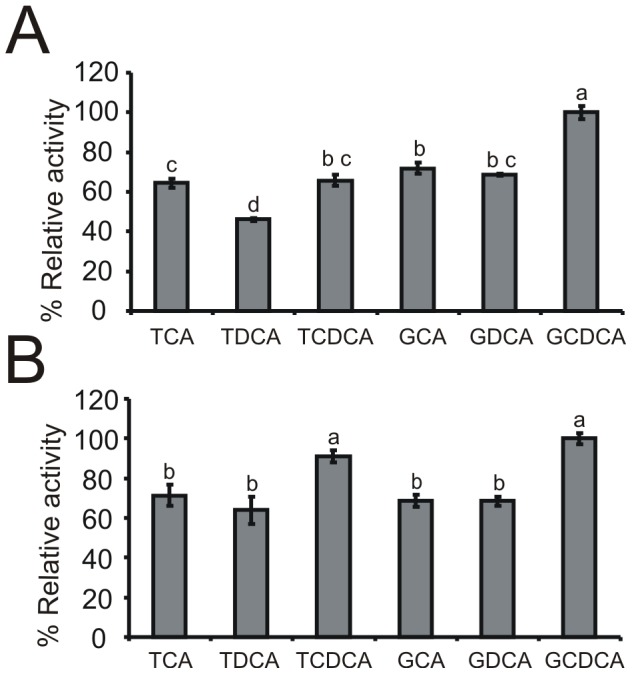
Figure 8. Substrate specificity of the purified BSH from B. suis (A) and B. pseudocatenulatum (B).
Six major bile salts are shown: taurocholic acid (TCA), taurodeoxycholic acid (TDCA), taurochenodeoxycholic (TCDCA), glycocholic acid (GCA), glycodeoxycholic acid (GDCA) and glycochenodeoxycholic acid (GCDCA). Relative deconjugation activity in the presence of six major human bile salts was calculated using GCDCA as a standard at 100%. Values are expressed as the mean of three independent replicates. Different lower case letters indicate statistically significant differences (p<0.05).
Figure 9
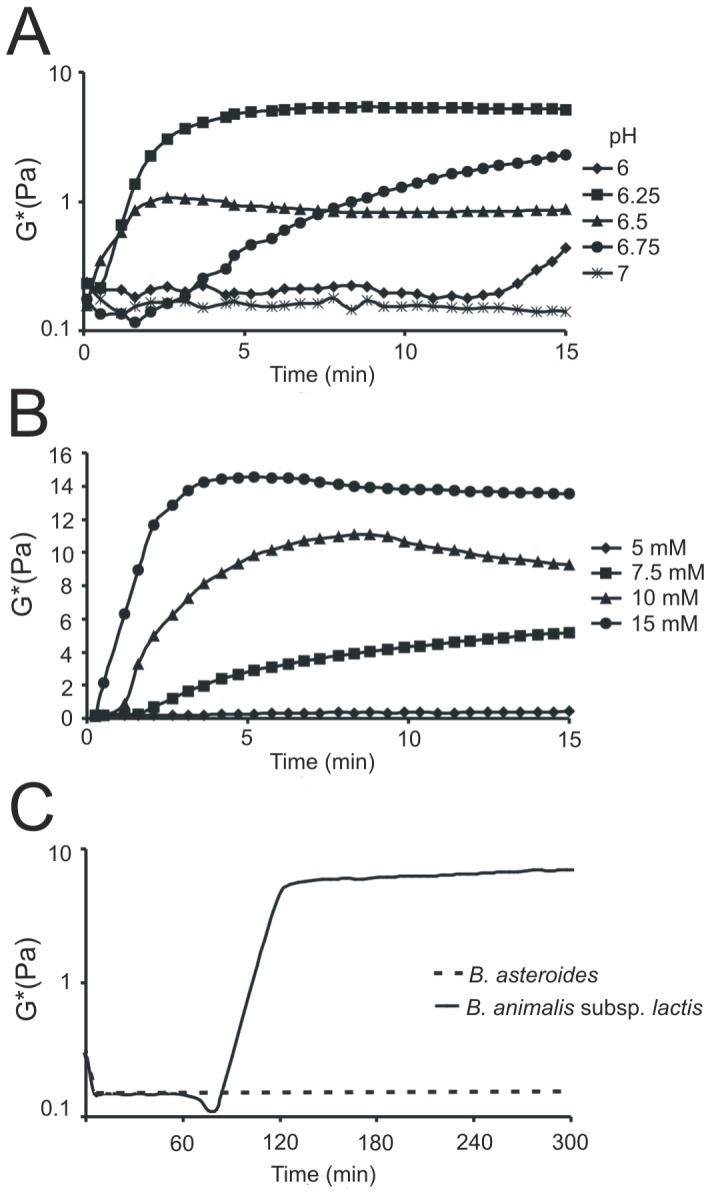
Figure 9. Rheological analysis of the gelation process of deoxycholic acid under different conditions.
The effect of various pH (6–7) on viscoelastic behavior of the samples containing 10 mM deoxycholate (A). Analysis of gel formation in the samples containing various concentrations of DCA (from 5 to 15 mM) (B). The bservation of hydrogel-forming abilities of B. animalis subsp. lactis and B. asteroides (BSH-negative reference strain) in the presence of 10 mM TDCA (C). At least three replicates of each experiment were performed with little variation only one example is displayed.

References

    1. Patel AK, Singhania RR, Pandey A, Chincholkar SB (2010) Probiotic bile salt hydrolase: current developments and perspectives. Appl Biochem Biotechnol 162:166–180. - PubMed
    1. Ridlon JM, Kang DJ, Hylemon PB (2006) Bile salt bio-transformations by human intestinal bacteria. J Lipid Res 47:241–259. - PubMed
    1. Begley M, Hill C, Gahan CG (2006) Bile salt hydrolase activity in probiotics. Appl Environ Microbiol 72:1729–1738. - PMC - PubMed
    1. Tanaka H, Doesburg T, Iwasaki T, Mierau I (1999) Screening of lactic acid bacteria for bile salt hydrolase activity. J Dairy Sci 82:2530–2535. - PubMed
    1. Tanaka H, Hashiba H, Kok J, Mierau I (2000) Bile salt hydrolase of Bifidobacterium longum – biochemical and genetic characterization. Appl Environ Microbiol 66:2502–2512. - PMC - PubMed

Publication types