A phase III, randomized, double-blind, matched-pairs, active-controlled clinical trial and preclinical animal study to compare the durability, efficacy and safety between polynucleotide filler and hyaluronic acid filler in the correction of crow's feet: a new concept of regenerative filler
- PMID: 25473210
- PMCID: PMC4248006
- DOI: 10.3346/jkms.2014.29.S3.S201
A phase III, randomized, double-blind, matched-pairs, active-controlled clinical trial and preclinical animal study to compare the durability, efficacy and safety between polynucleotide filler and hyaluronic acid filler in the correction of crow's feet: a new concept of regenerative filler
Retraction in
-
Notice of Retraction: Pak CS, et al. A Phase III, Randomized, Double-Blind, Matched-Pairs, Active-Controlled Clinical Trial and Preclinical Animal Study to Compare the Durability, Efficacy and Safety between Polynucleotide Filler and Hyaluronic Acid Filler in the Correction of Crow's Feet: A New Concept of Regenerative Filler. J Korean Med Sci 2014; 29(Suppl 3): S201-S209.J Korean Med Sci. 2016 Feb;31(2):330. doi: 10.3346/jkms.2016.31.2.330. Epub 2016 Jan 25. J Korean Med Sci. 2016. PMID: 26839493 Free PMC article. No abstract available.
Abstract
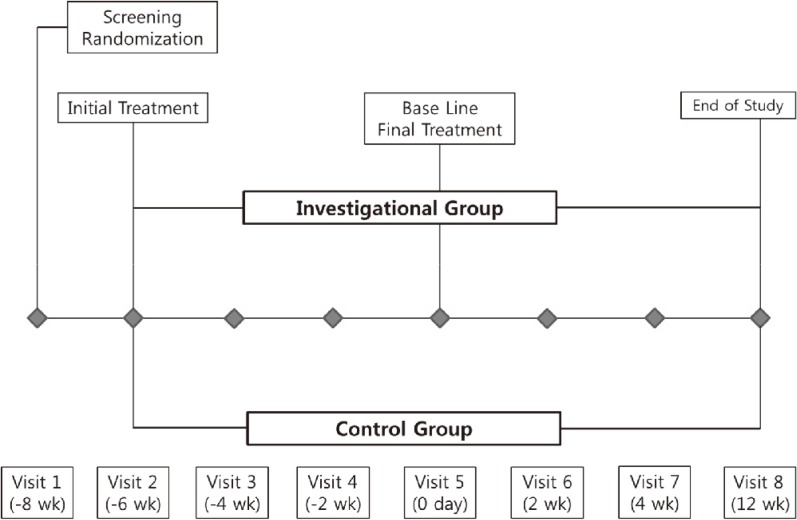
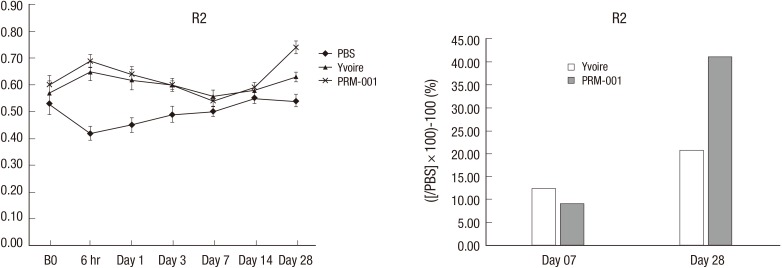
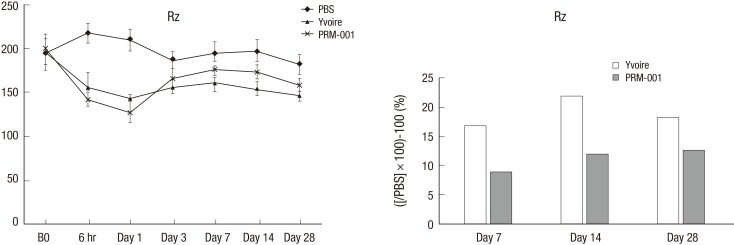
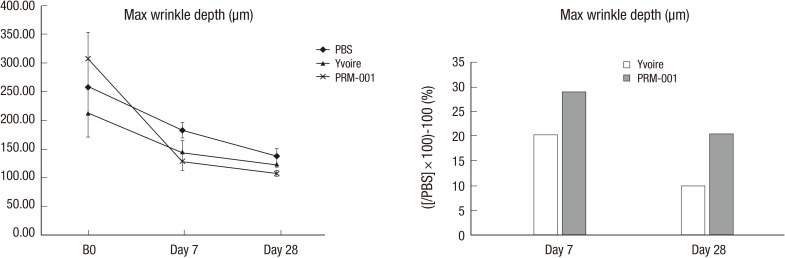
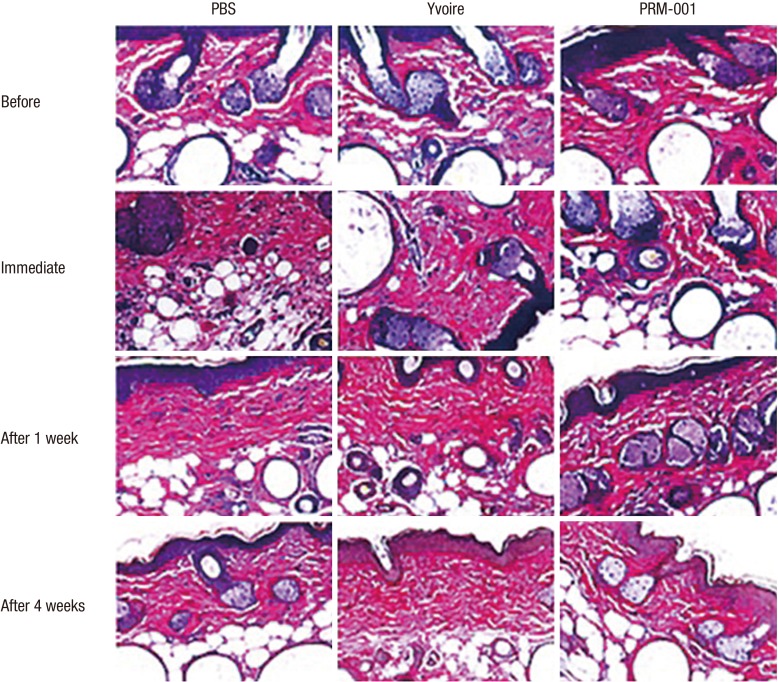
The Rejuran® is a new filler product made from purified polynucleotides. Here we present data from an animal study and a clinical trial to examine the durability, efficacy and safety of the Rejuran® on crow's feet. For the animal study, 25 mice were divided into three groups: Group 1 received phosphate buffered saline (PBS); Group 2 were treated with Yvoire®; and Group 3 were treated with Rejuran®. The durability and efficacy of each treatment were assessed by microscopy and staining. In the clinical trial, 72 patients were randomized to receive Rejuran® treatment for crow's feet on one side and Yvoire-Hydro® on the contralateral side, at a ratio of 1:1. Repeated treatments were performed every two weeks for a total of three times, over a total of 12 weeks' observation. All injections and observations of efficacy and safety were performed by the same two investigators. In the animal study, the Rejuran® group showed similar durability and inflammatory response to the Yvoire® group. Upon efficacy assessment, the Rejuran® group showed the greatest elasticity and collagen composition, and a significant difference in skin surface roughness and wrinkle depth. In the clinical trial, the primary and secondary objective efficacy outcome measure showed no statistical significance between the two groups, and in safety outcomes there were no unexpected adverse effects. Our data suggest that the Rejuran®, as a new regenerative filler, can be useful to reduce wrinkles, by showing evidence for its efficacy and safety.
Keywords: Polydeoxyribonucleotides; Polynucleotides; Rejuvenation; Wound Healing.
Conflict of interest statement
We certify that all authors of this manuscript have had no financial involvement (e.g. employment, consultancies, honoraria, stock ownership or options, expert testimony, grants or patents received or pending, and royalties) within the past five years, or will have in the foreseeable future, with any organization or entity with a financial interest in, or financial conflict with, the subject matter or materials discussed in the manuscript.
Figures
References
-
- Cavallini M, Papagni M. Long chain polynucleotides gel and skin biorevitalization. Int J Plast Dermatol. 2007;3:27–32.
-
- Avantaggiato A, Palmieri A, Carinci F, Pasin M, Bertuzzi G. Biostimulation and biorevitalization: effects on human skin fibroblasts. Ann Oral Maxillofac Surg. 2013;1:11.
-
- Cavallini M. Biorevitalization and cosmetic surgery of the face: synergies of action. J Appl Cosmetol. 2004;22:125–132.
Publication types
MeSH terms
Substances
LinkOut - more resources
Full Text Sources
Other Literature Sources