


Genotypic and phenotypic applications for the differentiation and species-level identification of achromobacter for clinical diagnoses
- PMID: 25474264
- PMCID: PMC4256396
- DOI: 10.1371/journal.pone.0114356
Genotypic and phenotypic applications for the differentiation and species-level identification of achromobacter for clinical diagnoses
Abstract
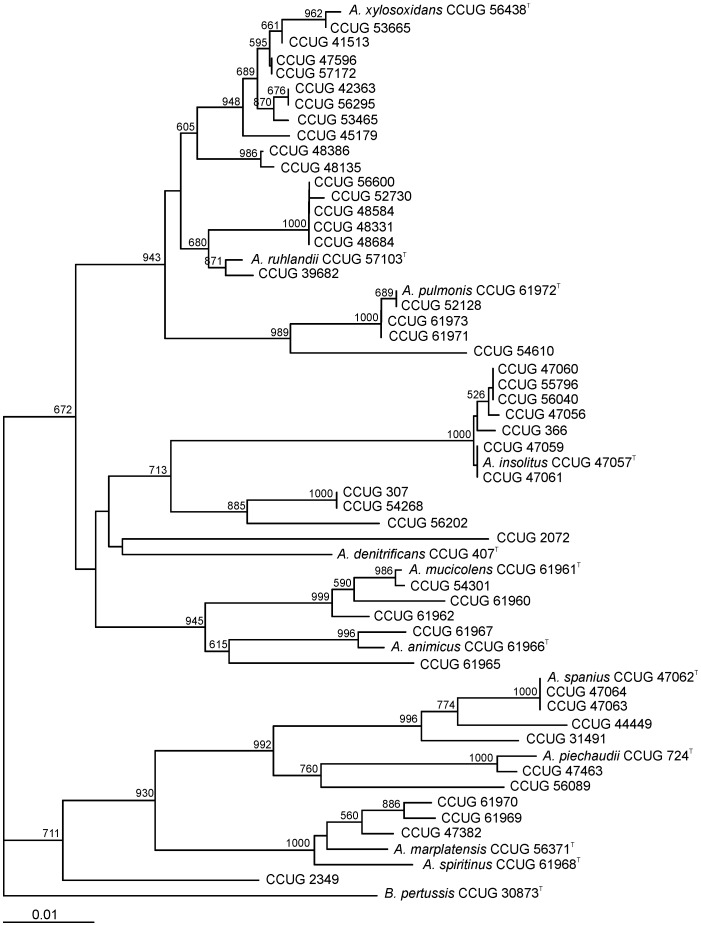
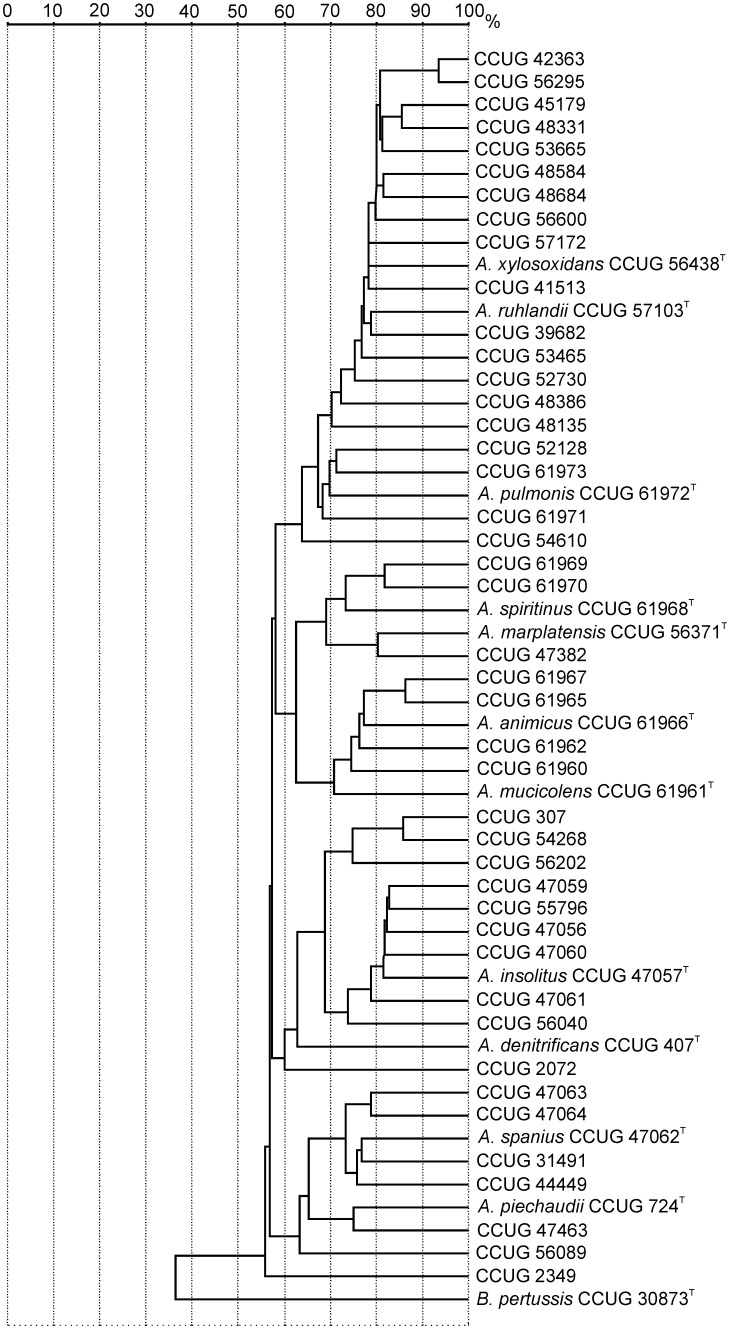
The Achromobacter is a genus in the family Alcaligenaceae, comprising fifteen species isolated from different sources, including clinical samples. The ability to detect and correctly identify Achromobacter species, particularly A. xylosoxidans, and differentiate them from other phenotypically similar and genotypically related Gram-negative, aerobic, non-fermenting species is important for patients with cystic fibrosis (CF), as well as for nosocomial and other opportunistic infections. Traditional phenotypic profile-based analyses have been demonstrated to be inadequate for reliable identifications of isolates of Achromobacter species and genotypic-based assays, relying upon comparative 16S rRNA gene sequence analyses are not able to insure definitive identifications of Achromobacter species, due to the inherently conserved nature of the gene. The uses of alternative methodologies to enable high-resolution differentiation between the species in the genus are needed. A comparative multi-locus sequence analysis (MLSA) of four selected 'house-keeping' genes (atpD, gyrB, recA, and rpoB) assessed the individual gene sequences for their potential in developing a reliable, rapid and cost-effective diagnostic protocol for Achromobacter species identifications. The analysis of the type strains of the species of the genus and 46 strains of Achromobacter species showed congruence between the cluster analyses derived from the individual genes. The MLSA gene sequences exhibited different levels of resolution in delineating the validly published Achromobacter species and elucidated strains that represent new genotypes and probable new species of the genus. Our results also suggested that the recently described A. spritinus is a later heterotypic synonym of A. marplatensis. Strains were analyzed, using whole-cell Matrix-Assisted Laser Desorption/Ionization Time-Of-Flight mass spectrometry (MALDI-TOF MS), as an alternative phenotypic profile-based method with the potential to support the identifications determined by the genotypic DNA sequence-based MLSA. The MALDI-TOF MS data showed good accordance in strain groupings and identifications by the MLSA data.
Conflict of interest statement
Figures
References
-
- De Baets F, Schelstraete P, Van Daele S, Haerynck F, Vaneechoutte M (2007) Achromobacter xylosoxidans in cystic fibrosis: prevalence and clinical relevance. J Cyst Fibros 6:75–78. - PubMed
Publication types
MeSH terms
LinkOut - more resources
Full Text Sources
Other Literature Sources
Molecular Biology Databases
