


Environmental chemical exposure may contribute to uterine cancer development: studies with tetrabromobisphenol A
- PMID: 25476797
- PMCID: PMC6706771
- DOI: 10.1177/0192623314557335
Environmental chemical exposure may contribute to uterine cancer development: studies with tetrabromobisphenol A
Abstract
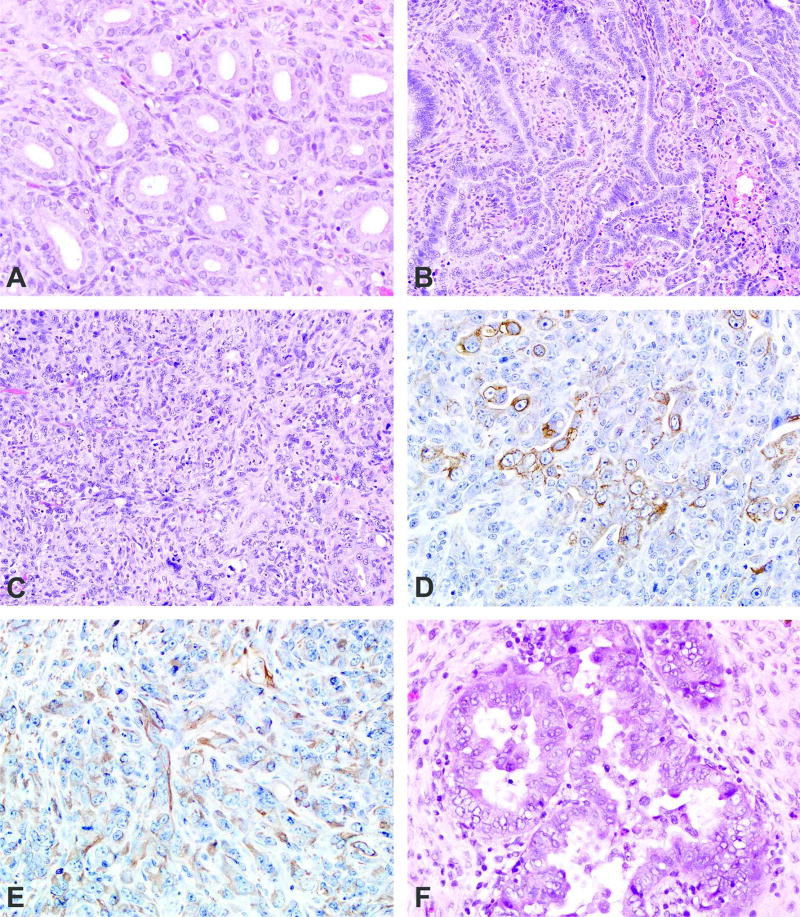
Tetrabromobisphenol A (TBBPA), a widely used flame retardant, caused uterine tumors in rats. In this study, TBBPA was administered to male and female Wistar Han rats and B6C3F1/N mice by oral gavage in corn oil for 2 years at doses up to 1,000 mg/kg. TBBPA induced uterine epithelial tumors including adenomas, adenocarcinomas, and malignant mixed Müllerian tumors (MMMTs). In addition, endometrial epithelial atypical hyperplasia occurred in TBBPA-treated rats. Also found to be related to TBBPA treatment, but at lower incidence and at a lower statistical significance, were testicular tumors in rats, and hepatic tumors, hemangiosarcomas (all organs), and intestinal tumors in male mice. It is hypothesized that the TBBPA uterine tumor carcinogenic mechanisms involve altered estrogen levels and/or oxidative damage. TBBPA treatment may affect hydroxysteroid-dehydrogenase-17β (HSD17β) and/or sulfotransferases, enzymes involved in estrogen homeostasis. Metabolism of TBBPA may also result in the formation of free radicals. The finding of TBBPA-mediated uterine cancer in rats is of concern because TBBPA exposure is widespread and endometrial tumors are a common malignancy in women. Further work is needed to understand TBBPA cancer mechanisms.
Keywords: flame retardants; malignant mixed Müllerian tumors (MMMT); tetrabromobisphenol A; uterine tumors.
© 2014 by The Author(s).
Figures

References
-
- Bailer AJ, Portier CJ. Effects of treatment-induced mortality and tumor-induced mortality on tests for carcinogenicity in small samples. Biometrics. 1988;44:417–431. - PubMed
-
- Blom MJ, Wassink MG, Kloosterboer HJ, Ederveen AG, Lambert JG, Goos HJ. Metabolism of estradiol, ethynylestradiol, and moxestrol in rat uterus, vagina, and aorta: influence of sex steroid treatment. Drug metabolism and disposition: the biological fate of chemicals. 2001;29:76–81. - PubMed
-
- Boorman GA, Eustis SL. The pathology working group as a means for assuring pathology quality in toxicologic studies. In: Whitmire C, Davis CL, Bristol DW, editors. Managing conduct and data quality of toxicologic studies. Princeton Scientific Publishing; Princeton: 1986. pp. 271–275.
Publication types
MeSH terms
Substances
Grants and funding
LinkOut - more resources
Full Text Sources
Other Literature Sources
Medical
