Difficult mask ventilation in general surgical population: observation of risk factors and predictors
- PMID: 25485097
- PMCID: PMC4244761
- DOI: 10.12688/f1000research.5131.1
Difficult mask ventilation in general surgical population: observation of risk factors and predictors
Abstract
Background: There are few predictors of difficult mask ventilation and a simple, objective, predictive system to identify patients at risk of difficult mask ventilation does not currently exist. We present a retrospective - subgroup analysis aimed at identifying predictive factors for difficult mask ventilation (DMV) in patients undergoing pre-operative airway assessment before elective surgery at a major teaching hospital.
Methods: Data for this retrospective analysis were derived from a database of airway assessments, management plans, and outcomes that were collected prospectively from August 2008 to May 2010 at a Level 1 academic trauma center. Patients were stratified into two groups based on the difficulty of mask ventilation and the cohorts were analyzed using univariate analysis and stepwise selection method.
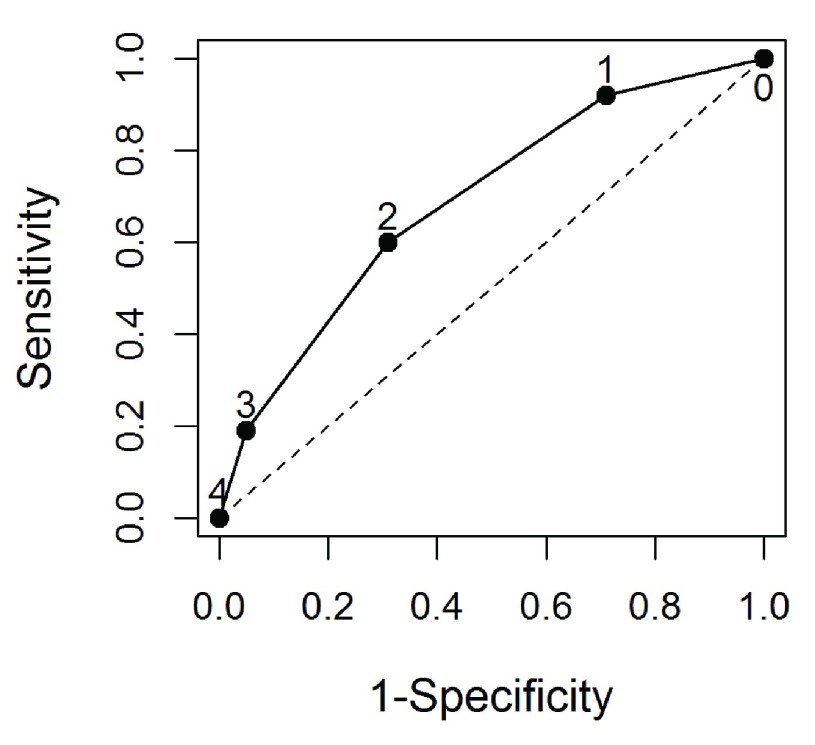
Results: A total of 1399 pre-operative assessments were completed with documentation stating that mask ventilation was attempted. Of those 1399, 124 (8.9%) patients were found to be difficult to mask ventilate. A comparison of patients with and without difficult mask ventilation identified seven risk factors for DMV: age, body mass index (BMI), neck circumference, history of difficult intubation, presence of facial hair, perceived short neck and obstructive sleep apnea. Although seven risk factors were identified, no individual subject had more than four risk factors.
Conclusion: The results of this study confirm that in a real world clinical setting, the incidence of DMV is not negligible and suggest the use of a simple bedside predictive score to improve the accuracy of DMV prediction, thereby improving patient safety. Further prospective studies to validate this score would be useful.
Conflict of interest statement
Figures
References
-
- Kheterpal S, Healy D, Aziz MF, et al. : Multicenter Perioperative Outcomes Group (MPOG) Perioperative Clinical Research Committee. Incidence, predictors, and outcome of difficult mask ventilation combined with difficult laryngoscopy: a report from the multicenter perioperative outcomes group. Anesthesiology. 2013;119(6):1360–9. 10.1097/ALN.0000435832.39353.20 - DOI - PubMed
Grants and funding
LinkOut - more resources
Full Text Sources
Other Literature Sources