Review
. 2014 Oct-Dec:762:52-64.
doi: 10.1016/j.mrrev.2014.05.001. Epub 2014 May 28.

Nonsense-mediated decay in genetic disease: friend or foe?

Affiliations
Review

Nonsense-mediated decay in genetic disease: friend or foe?

Jake N Miller et al. Mutat Res Rev Mutat Res. 2014 Oct-Dec.

Abstract

Eukaryotic cells utilize various RNA quality control mechanisms to ensure high fidelity of gene expression, thus protecting against the accumulation of nonfunctional RNA and the subsequent production of abnormal peptides. Messenger RNAs (mRNAs) are largely responsible for protein production, and mRNA quality control is particularly important for protecting the cell against the downstream effects of genetic mutations. Nonsense-mediated decay (NMD) is an evolutionarily conserved mRNA quality control system in all eukaryotes that degrades transcripts containing premature termination codons (PTCs). By degrading these aberrant transcripts, NMD acts to prevent the production of truncated proteins that could otherwise harm the cell through various insults, such as dominant negative effects or the ER stress response. Although NMD functions to protect the cell against the deleterious effects of aberrant mRNA, there is a growing body of evidence that mutation-, codon-, gene-, cell-, and tissue-specific differences in NMD efficiency can alter the underlying pathology of genetic disease. In addition, the protective role that NMD plays in genetic disease can undermine current therapeutic strategies aimed at increasing the production of full-length functional protein from genes harboring nonsense mutations. Here, we review the normal function of this RNA surveillance pathway and how it is regulated, provide current evidence for the role that it plays in modulating genetic disease phenotypes, and how NMD can be used as a therapeutic target.

Keywords: Genetic disease; Nonsense suppression; Nonsense-mediated decay; Read-through.


Figures

Figure 1
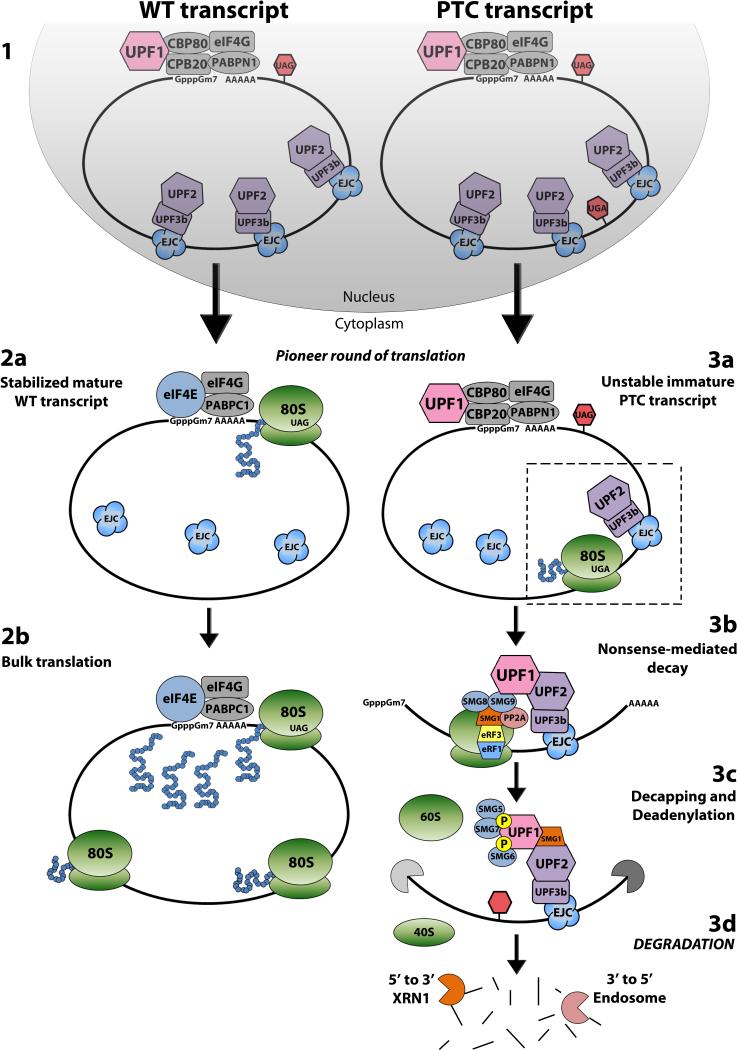
Figure 1. A Model of Nonsense-Mediated Decay
(1) During synthesis by RNA polymerase II, wild type and PTC-bearing transcripts undergo cotranscriptional processing into messenger ribonucleoprotein complexes (mRNPs) that contain a 5’-m7GpppN cap and a poly(A)-tail. The cap-binding protein (CBP) heterodimer CBP80-CBP20 complex (CBC) binds to and protects the 5’-cap, and the nuclear poly(A)-binding protein N1 (PABPN1) and the primarily cytoplasmic PABPC1 bind to and protect the poly(A) tail along with eIF4G. In addition, the exon junction complex (EJC) is deposited 20-24 nucleotides upstream of every exon-exon splice site within the mRNP during synthesis. The CBC-bound mRNA is then exported from the nucleus(2a) Wild type transcripts are stabilized during the pioneer round of translation when the CBC is replaced by eukaryotic translation initiation factor 4E (eIF4E), the EJCs are displaced, and PABPN1 is entirely replaced by PABPC1. The mature mRNA is then directed into (2b) steady-state rounds of bulk translation. (3a) PTC-bearing transcripts trigger the classical NMD pathway during the pioneer round of translation when the first ribosome stalls at a PTC that is located more than 50-55 nucleotides upstream of the last EJC-bearing exon-exon junction. (3b) During ribosomal stalling, eukaryotic release factor 1 (eRF1) and eRF3 bind to the ribosomal A site and associate with UPF1 which recruits SMG1 to form the SMG1-UPF1-eRF1-eRF3 (SURF) complex. SMG8 and SMG9 are then recruited to the SURF complex. (3c) The SURF complex is then translocated from the ribosome to UPF2-UPF3 on a downstream EJC. This releases SMG8 and SMG9 from SURF, allowing SMG1 to phosphorylate, and subsequently activate UPF1. Phosphorylated UPF1 triggers the dissociation of the ribosome from the mRNP and recruits SMG5, SMG6, and SMG7. This is followed by SMG5-SMG7-mediated decay of the transcript, which occurs by decapping and/or deadenylation, followed by (3d) degradation by XRN1 and the exosome complex.
Figure 2
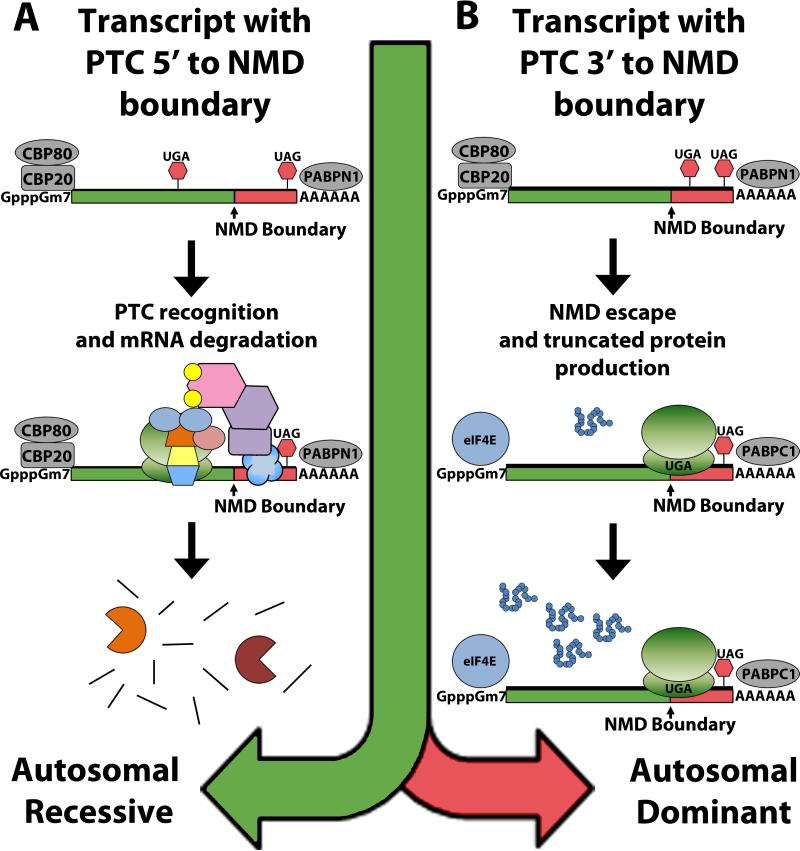
Figure 2. Nonsense-Mediated Decay Alters the Pattern of Inheritance
Differential recognition and degradation of mutated transcripts can occur due to the location of the PTC either 5’ to the NMD boundary (NMD-competent) or 3’ to the NMD boundary (NMD-incompetent). (A) If the mutation is located within an NMD-competent region of the transcript, NMD will degrade the transcript, depleting the truncated peptide product from the cell, and preventing its toxic effects. This means that a heterozygous carrier of the mutated gene can still rely on the wild type allele for proper function, leading to an autosomal recessive pattern of inheritance. (B) If the mutation is located within an NMD-incompetent region of the transcript, it is not recognized by NMD, allowing the truncated peptide product to accumulate, causing catastrophic damage to the cell, which leads to an autosomal dominant pattern of inheritance.
Figure 3
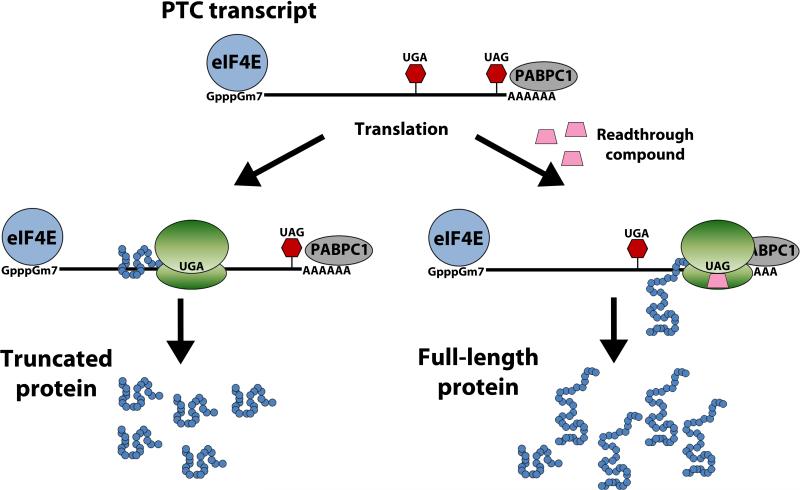
Figure 3. Nonsense Suppression Therapy
PTC-bearing mRNA transcripts that are not recognized and degraded by NMD will mature and produce truncated proteins that have deleterious effects on the cell. Read-through compounds will bind to either the 40S or 60S subunit of the ribosome and decrease the fidelity of the PTC. The purpose of nonsense suppression therapy is to trick the ribosome into accepting near-cognate aminoacyl-tRNAs into the A-site, therefore enhancing natural PTC read-through and increasing the abundance of full-length protein.
Figure 4
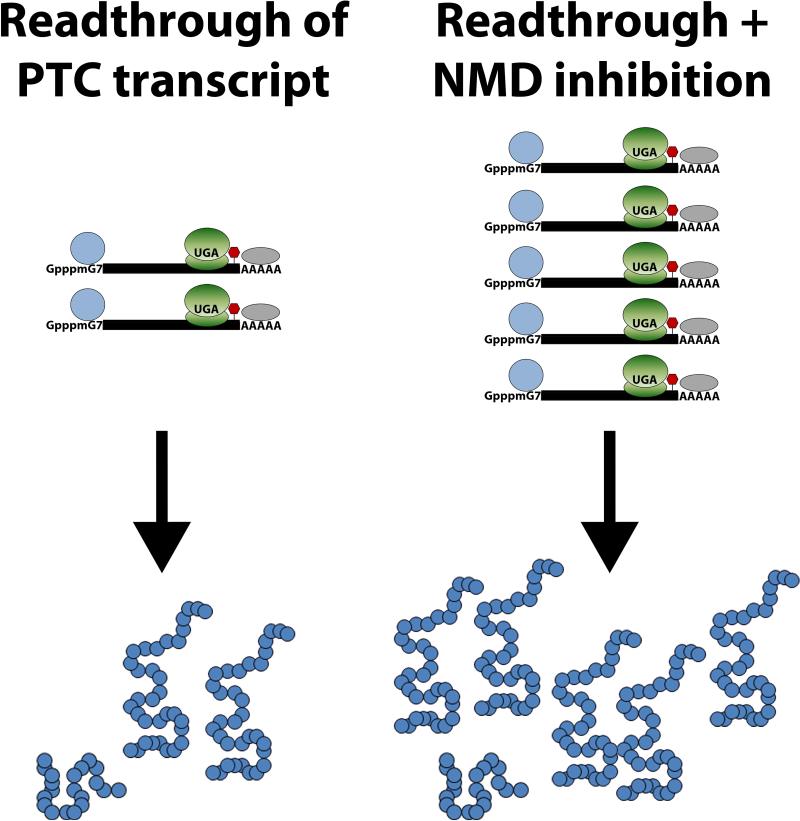
Figure 4. Combining NMD Inhibition with Nonsense Suppression to Enhance Therapeutic Outcome
Nonsense-mediated decay targets PTC-bearing transcripts in the cytoplasm, leading to a decrease in the pool of mRNA, which produces little to no full-length protein. The goal of nonsense suppression therapy is to produce full-length functional protein to alleviate disease pathology. However, nonsense-mediated degradation of PTC-bearing transcripts decreases the abundance of mRNA, limiting the efficacy of read-through therapy and decreasing the chance of surpassing the therapeutic threshold. By combining NMD inhibition with nonsense suppression there is an increased abundance of PTC-bearing mRNA with which read-through drugs can act on, leading to an increase in the production of full-length protein.

References

    1. Keeling KM, Bedwell DM. Suppression of nonsense mutations as a therapeutic approach to treat genetic diseases. Wiley Interdiscip Rev RNA. 2011;2:837–852. - PMC - PubMed
    1. Frischmeyer PA, Dietz HC. Nonsense-mediated mRNA decay in health and disease. Hum Mol Genet. 1999;8:1893–1900. - PubMed
    1. Krawczak M, Ball EV, Cooper DN. Neighboring-nucleotide effects on the rates of germ-line single-base-pair substitution in human genes. Am J Hum Genet. 1998;63:474–488. - PMC - PubMed
    1. Mort M, et al. A meta-analysis of nonsense mutations causing human genetic disease. Hum Mutat. 2008;29:1037–1047. - PubMed
    1. Chang YF, Imam JS, Wilkinson MF. The nonsense-mediated decay RNA surveillance pathway. Annu Rev Biochem. 2007;76:51–74. - PubMed

Publication types