. 2014 Dec 9;9(12):e114247.
doi: 10.1371/journal.pone.0114247. eCollection 2014.

Increased expression of AQP 1 and AQP 5 in rat lungs ventilated with low tidal volume is time dependent

Affiliations

Increased expression of AQP 1 and AQP 5 in rat lungs ventilated with low tidal volume is time dependent

Gustavo Fabregat et al. PLoS One. .

Abstract

Background and goals: Mechanical ventilation (MV) can induce or worsen pulmonary oedema. Aquaporins (AQPs) facilitate the selective and rapid bi-directional movement of water. Their role in the development and resolution of pulmonary oedema is controversial. Our objectives are to determine if prolonged MV causes lung oedema and changes in the expression of AQP 1 and AQP 5 in rats.

Methods: 25 male Wistar rats were subjected to MV with a tidal volume of 10 ml/kg, during 2 hours (n = 12) and 4 hours (n = 13). Degree of oedema was compared with a group of non-ventilated rats (n = 5). The expression of AQP 1 and AQP 5 were determined by western immunoblotting, measuring the amount of mRNA (previously amplified by RT-PCR) and immunohistochemical staining of AQPs 1 and 5 in lung samples from all groups.

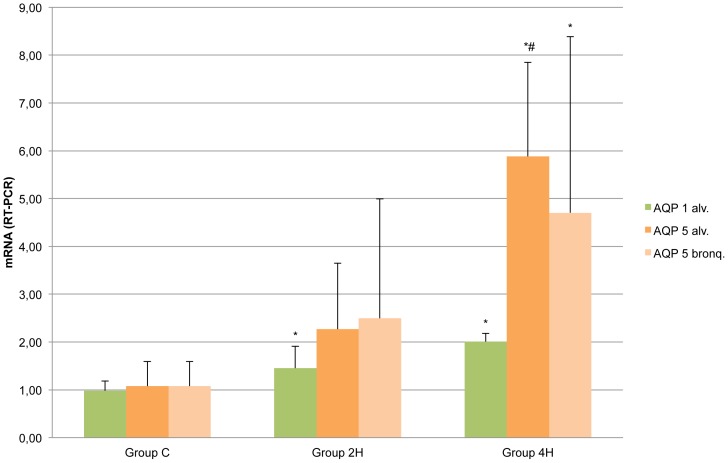
Results: Lung oedema and alveolar-capillary membrane permeability did not change during MV. AQP-5 steady state levels in the western blot were increased (p<0.01) at 2 h and 4 h of MV. But in AQP-1 expression these differences were not found. However, the amount of mRNA for AQP-1 was increased at 2 h and 4 h of MV; and for AQP 5 at 4 h of MV. These findings were corroborated by representative immunohistochemical lung samples.

Conclusion: In lungs from rats ventilated with a low tidal volume the expression of AQP 5 increases gradually with MV duration, but does not cause pulmonary oedema or changes in lung permeability. AQPs may have a protective effect against the oedema induced by MV.


Conflict of interest statement

Competing Interests: The authors have declared that no competing interests exist.

Figures

Figure 1
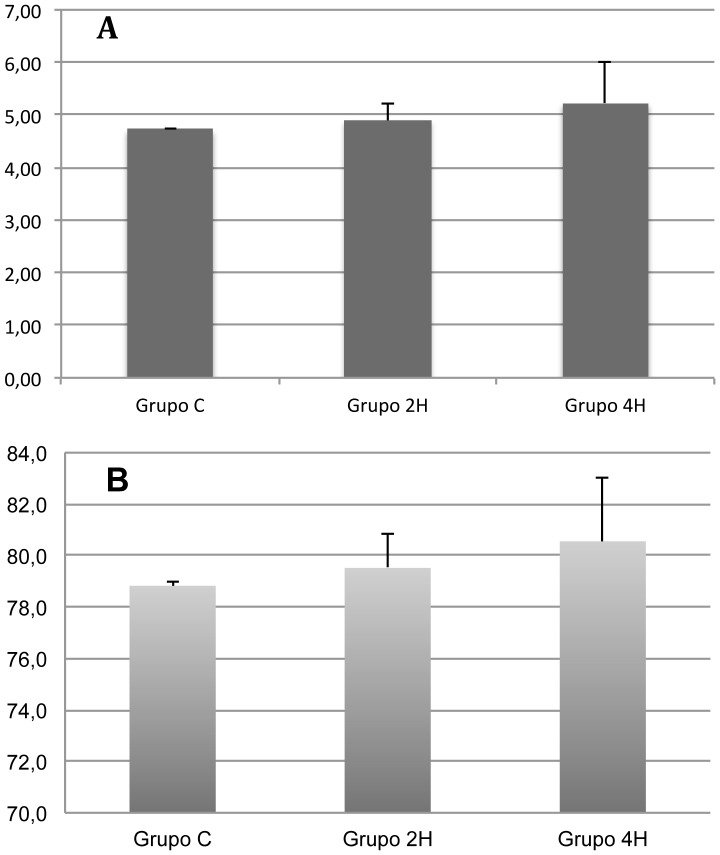
Figure 1. Pulmonary water content charts.
A. The bar chart shows the results of lung wet weight/dry weight ratio (WW/DW). B. Graphic representation of pulmonary water content (%water). Error bars represent standard deviation. Group C  =  Control rats; Group 2H  =  Rats ventilated with 10 ml/Kg tidal volume for 2 hours; Group 4H  =  Rats ventilated with 10 ml/Kg tidal volume for 4 hours.
Figure 2
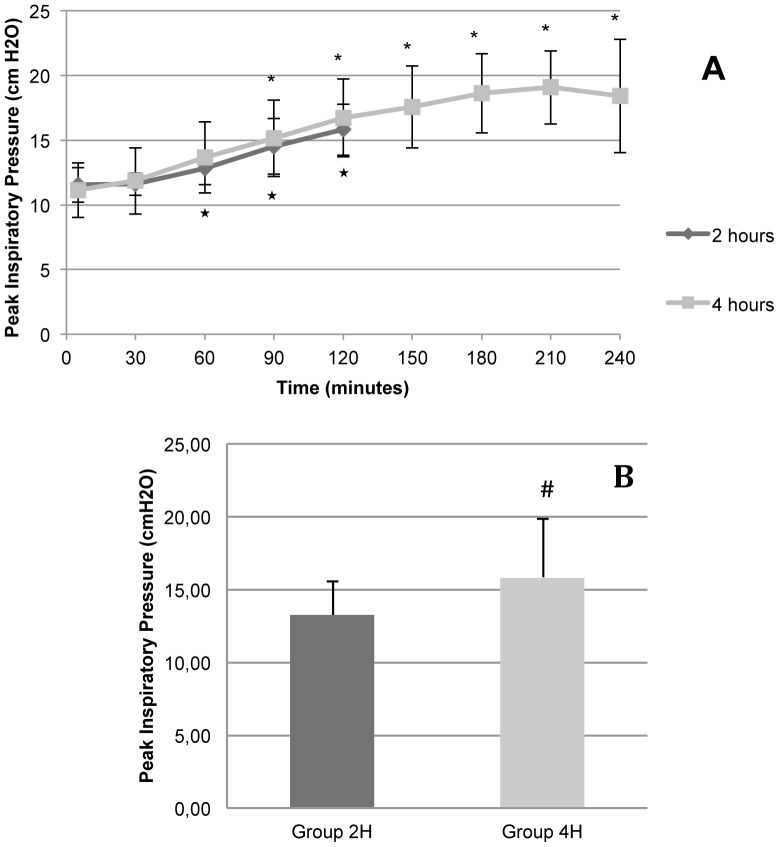
Figure 2. Peak inspiratory pressure.
The figure shows the results of animals in Groups 2H (ventilated for 2 hours) and 4H (ventilated for 4 hours). A. Evolution of peak inspiratory pressure in relation to time. B. Graphic representation of mean peak inspiratory pressure in Groups 2H and 4H. Error bars represent standard deviation. Group 2H  =  Rats ventilated with 10 ml/Kg tidal volume for 2 hours; Group 4H  =  Rats ventilated with 10 ml/Kg tidal volume for 4 hours. * p<0.05 in relation to baseline of Group 2H. * p<0.05 in relation to baseline of Group 4H. # p<0.05 in relation to Group 2H.
Figure 3
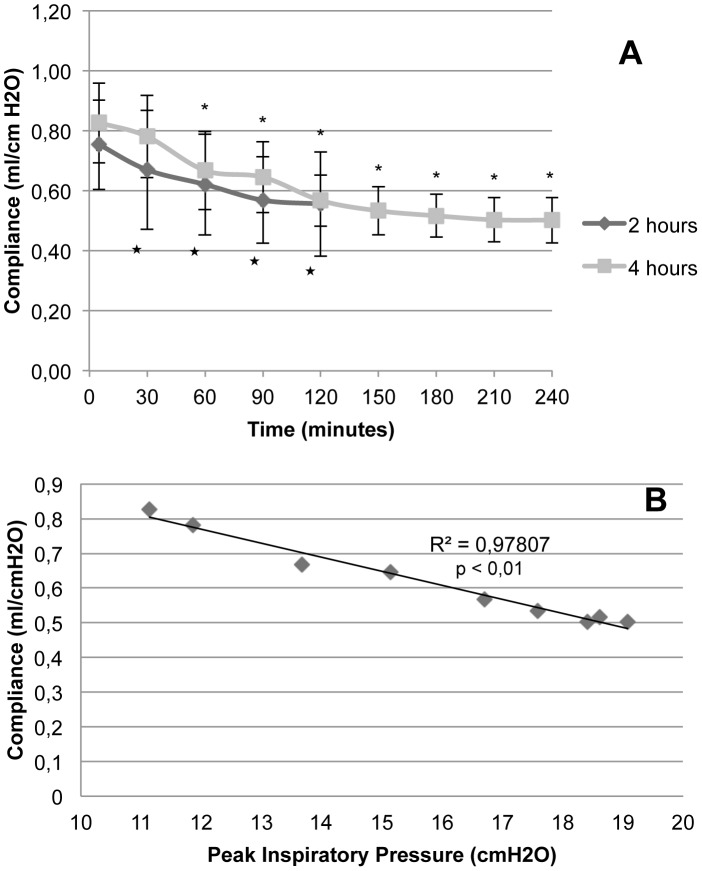
Figure 3. Pulmonary compliance.
A. Evolution of animals in Groups 2H (ventilated for 2 hours) and 4H (ventilated for 4 hours) in relation to time. Error bars represent standard deviation. B. Dispersion chart and trend line for variation in pulmonary compliance in relation to peak inspiratory pressure in Group 4H animals (ventilated during 4 hours). *p<0.05 in relation to baseline of Group 2H. # p<0.05 in relation to baseline of Group 4H.
Figure 4
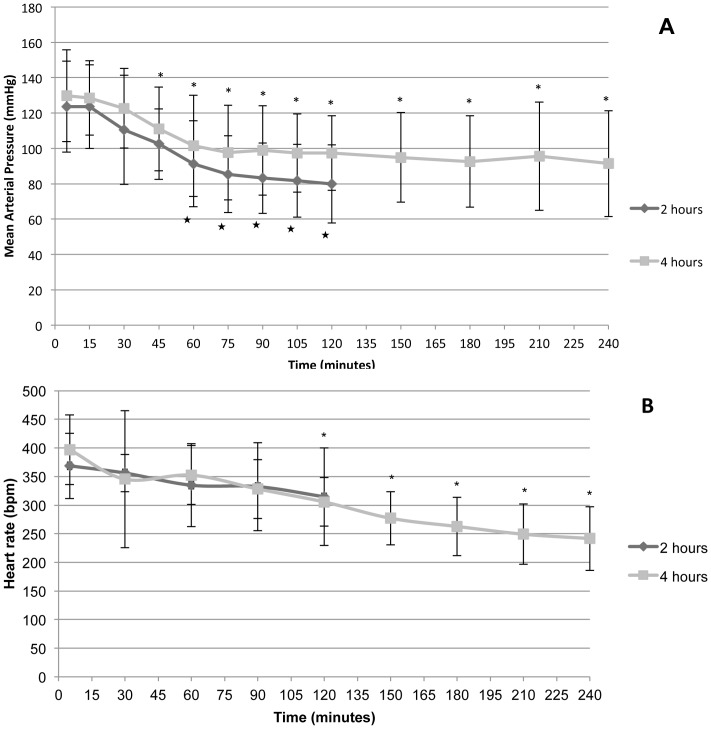
Figure 4. Evolution of hemodynamic parameters.
A. Mean arterial pressure (MAP) and B. heart rate (HR) in Groups 2H (ventilated for 2 hours) and 4H (ventilated for 4 hours). Error bars represent standard deviation. *p<0.05 in relation to baseline of Group 2H. * p<0.05 in relation to baseline of Group 4H.
Figure 5
Figure 5. Western Blot densitometry values.
Mean values. Error bars represent standard deviation. AQP 1 cyt.  =  Aquaporin 1, cytosolic; AQP 1 mb.  =  Aquaporin 1, membrane; AQP 5 cyt.  =  Aquaporin 5, cytosolic; AQP 5 mb.  =  Aquaporin 5, membrane. * p <0.05 in relation to value of Group C. # p <0.05 in relation to value of Group 2H.
Figure 6
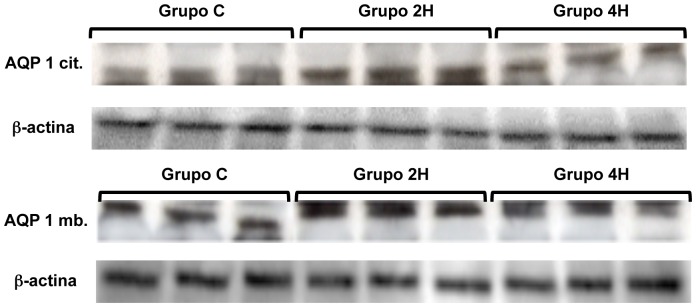
Figure 6. Western blot, AQP 1, cytosolic and membrane.
Figure 7
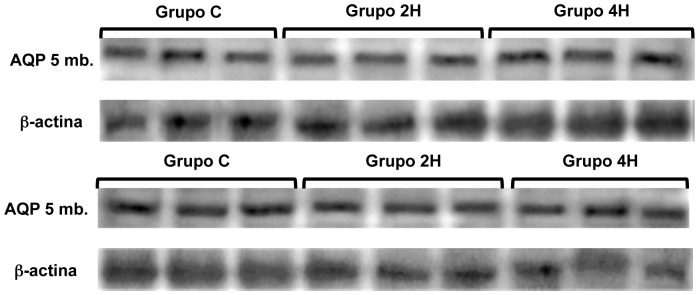
Figure 7. Western blot, AQP 5, cytosolic and membrane.
Figure 8
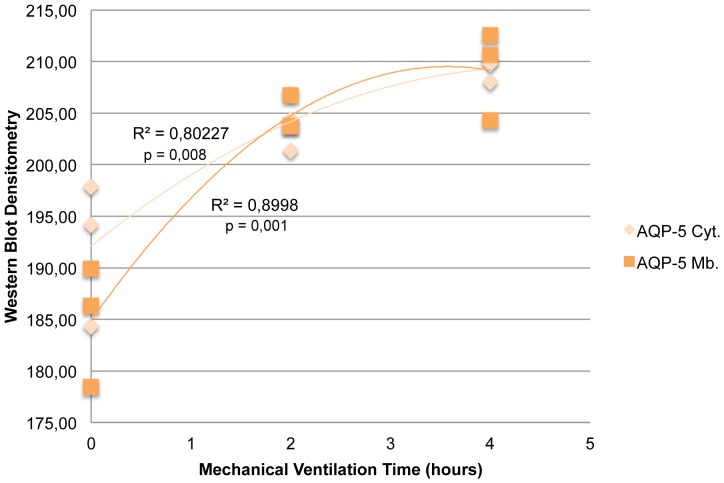
Figure 8. Dispersion chart and regression lines for Western Blot densitometries, AQP 5, cytosolic and membrane, in relation to time.
Values correspond to dispersion coefficients R2. AQP 5 cyt.  =  Aquaporin 5, cytosolic; AQP 5 mb.  =  Aquaporin 5, membrane.
Figure 9
Figure 9. Representation of mRNA measured by RT-PCR.
Error bars represent standard deviation. *p<0.05 in relation to value of Group C. # p<0.05 in relation to value of Group 2H.
Figure 10
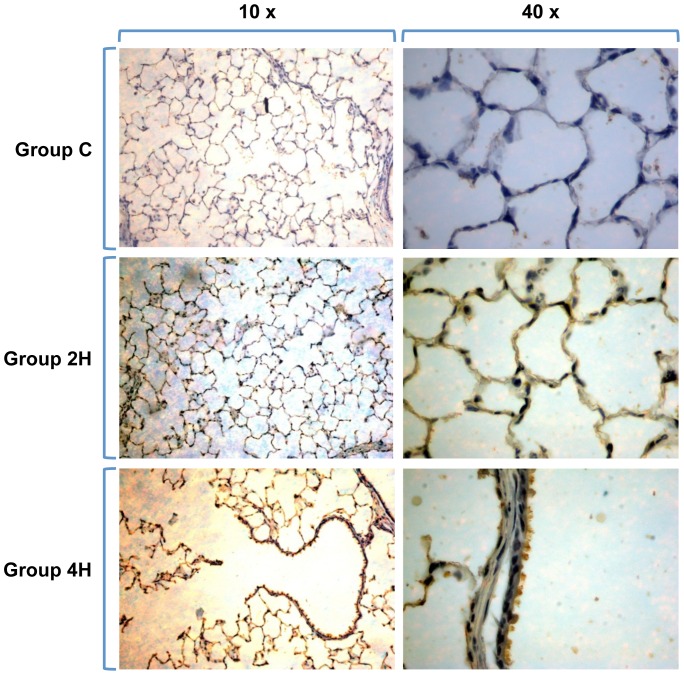
Figure 10. Inmunohistochemistry of AQP 5.
The dye stakes the alveolar network and the surface of type 1 pneumocytes perfectly. Staining is more intense with longer MV exposure times (Groups 2H and 4H).
Figure 11
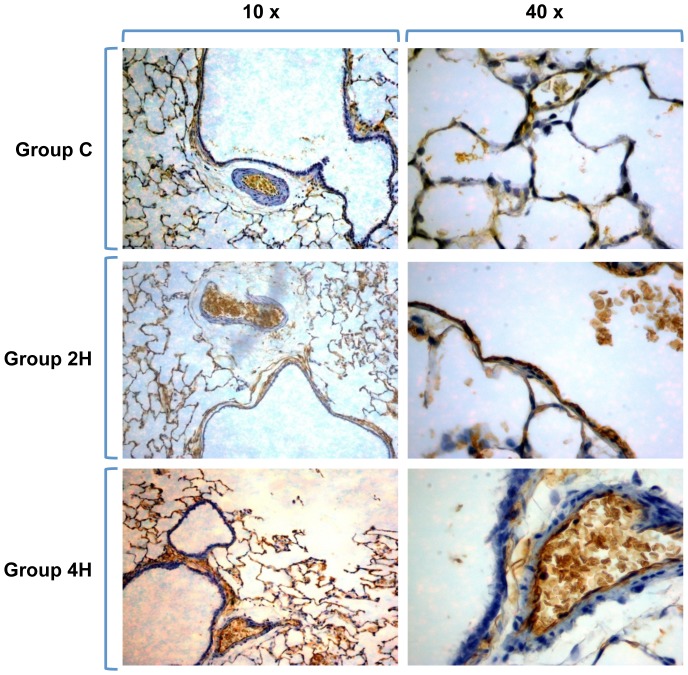
Figure 11. Immunohistochemistry of AQP 1.
The dye demarks the microvascular network of capillaries around the alveoli, on the endothelium, of which AQPs-1 are preferentially expressed, as well as on the erythrocytes. No staining can be seen on type 1 pneumocytes.

References

    1. Uhlig S (2002) Ventilation-induced lung injury and mechanotransduction: Stretching it too far? Am J Physiol Lung Cell Mol Physiol 282:L892–L896.. - PubMed
    1. Dreyfuss D, Soler P, Basset G, Saumon G (1988) High inflation pressure pulmonary edema. Respective effects of high airway pressure, high tidal volume, and positive end-expiratory pressure. Am Rev Respir Dis 137:1159–1164. - PubMed
    1. Katzenstein AL, Bloor CM, Leibow AA (1976) Diffuse alveolar damage—the role of oxygen, shock, and related factors. A review. Am J Pathol 85:209–228.. - PMC - PubMed
    1. Dreyfuss D, Saumon G (1998) Ventilator induced lung injury: Lessons from experimental studies. Am J Respir Crit Care Med 157:294–323.. - PubMed
    1. Corbridge TC, Wood LD, Crawford GP, Chudoba MJ, Yanos J, et al. (1990) Adverse effects of large tidal volume and low PEEP in canine acid aspiration. Am Rev Respir Dis. 142(2):311–315. - PubMed

MeSH terms

LinkOut - more resources