


Down-regulation of Kelch domain-containing F-box protein in Arabidopsis enhances the production of (poly)phenols and tolerance to ultraviolet radiation
- PMID: 25502410
- PMCID: PMC4326750
- DOI: 10.1104/pp.114.249136
Down-regulation of Kelch domain-containing F-box protein in Arabidopsis enhances the production of (poly)phenols and tolerance to ultraviolet radiation
Abstract
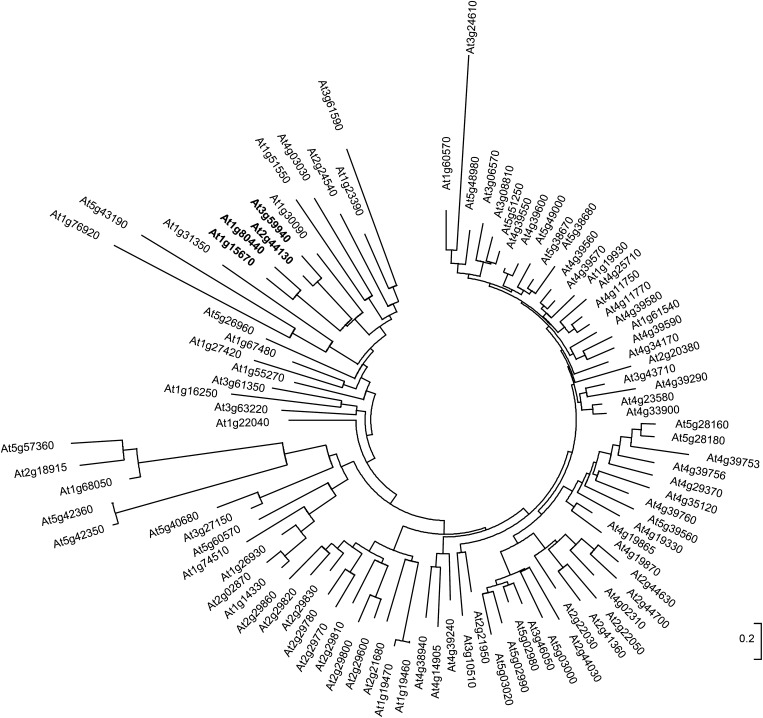
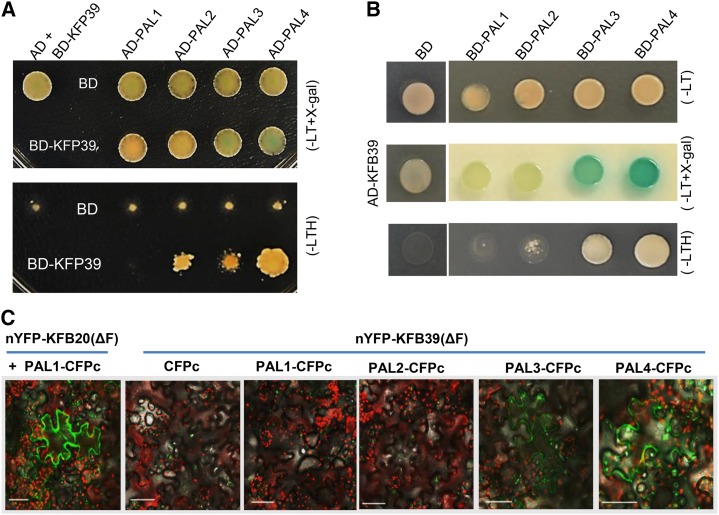
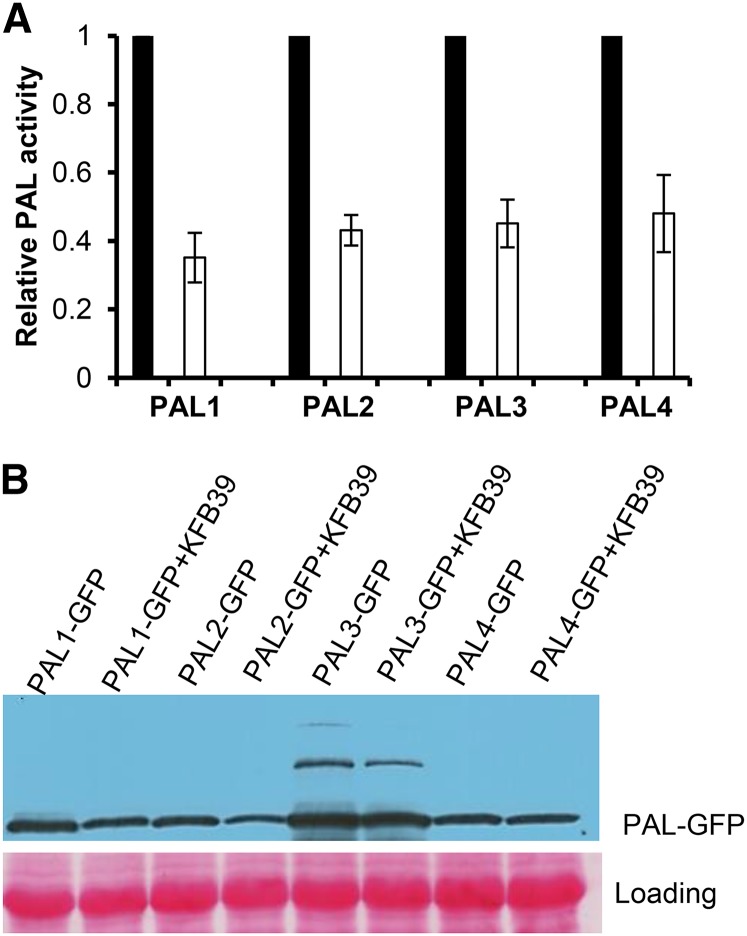
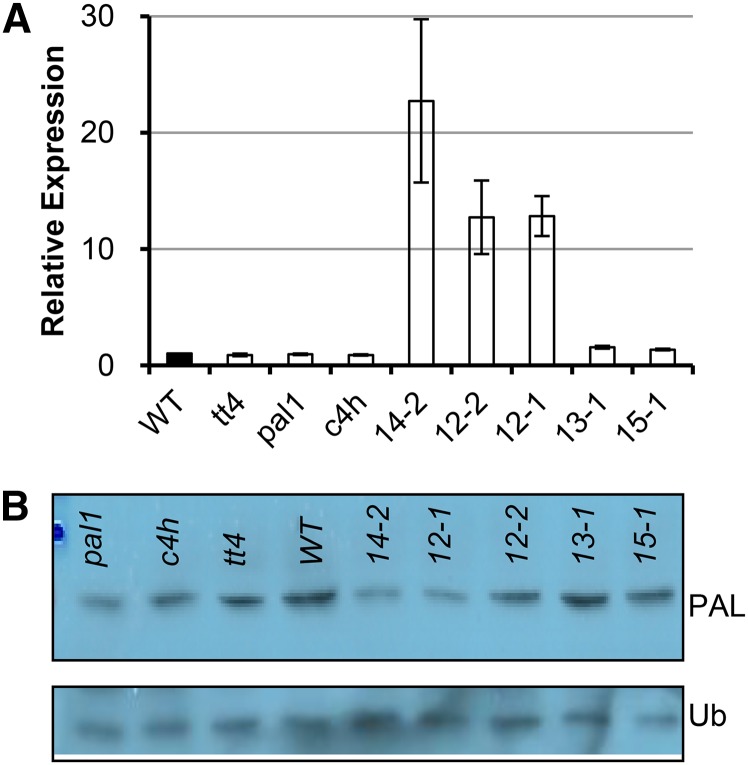
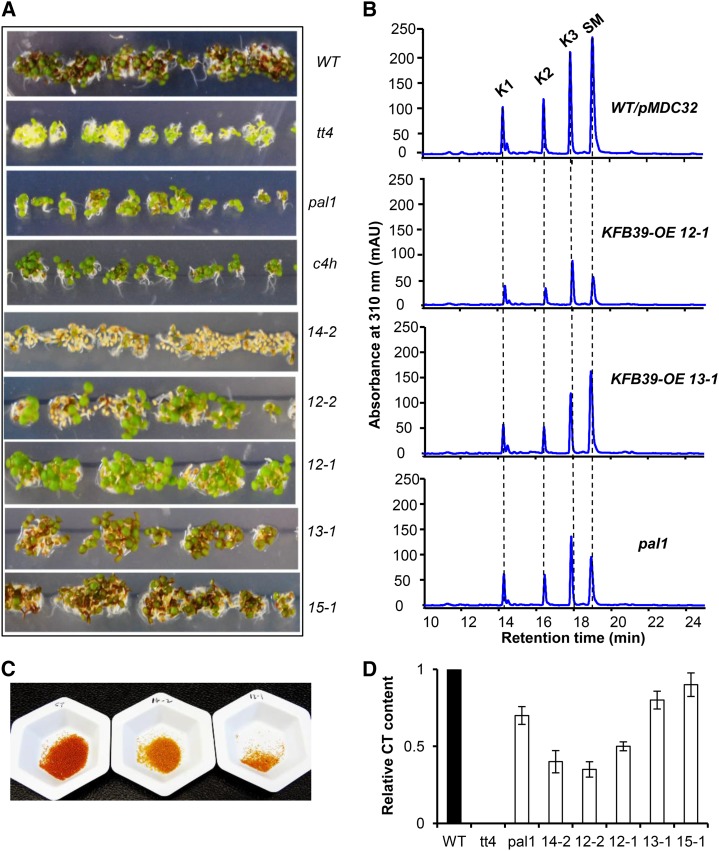
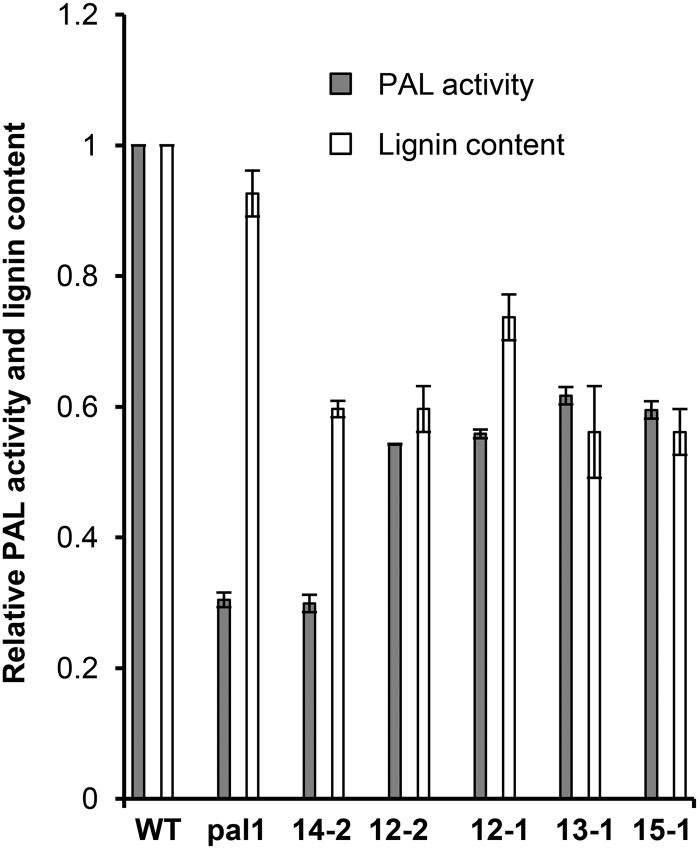
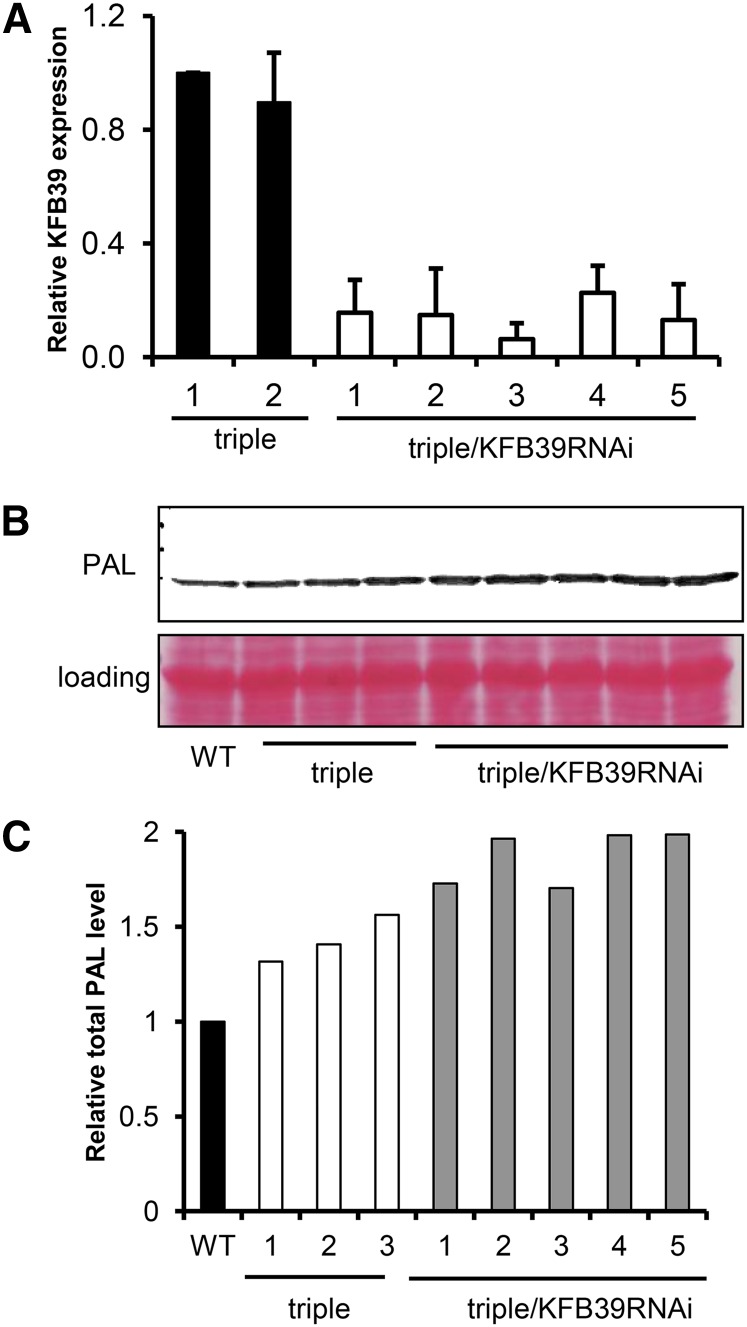
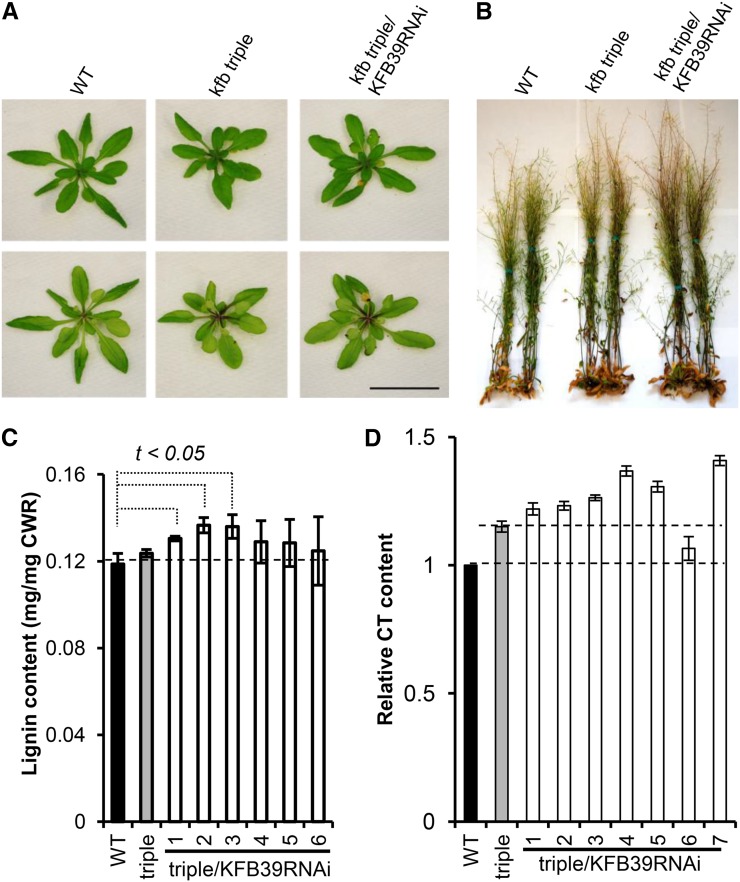
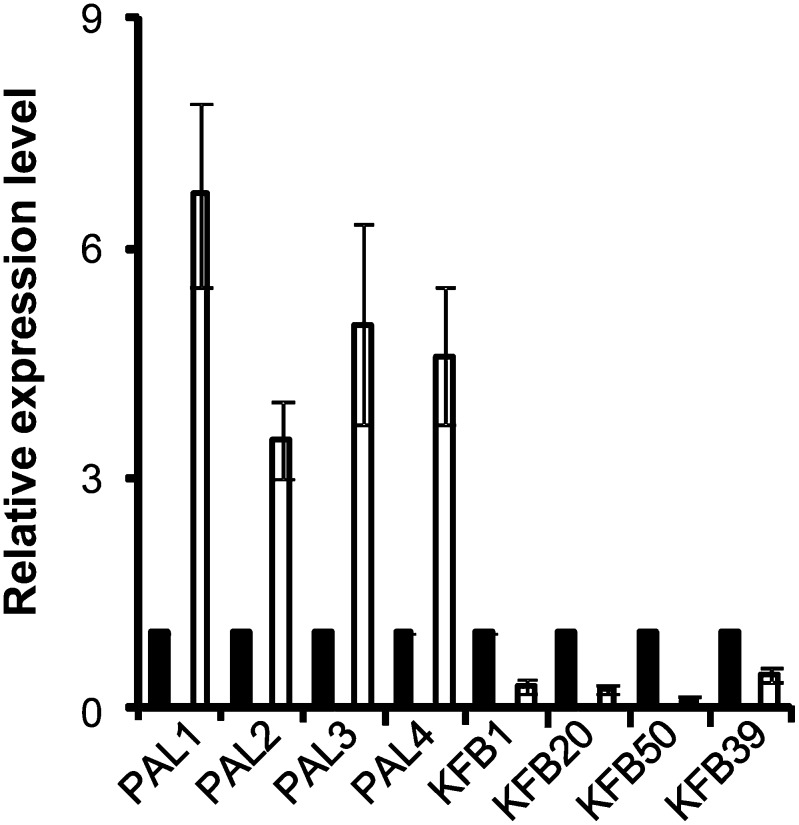
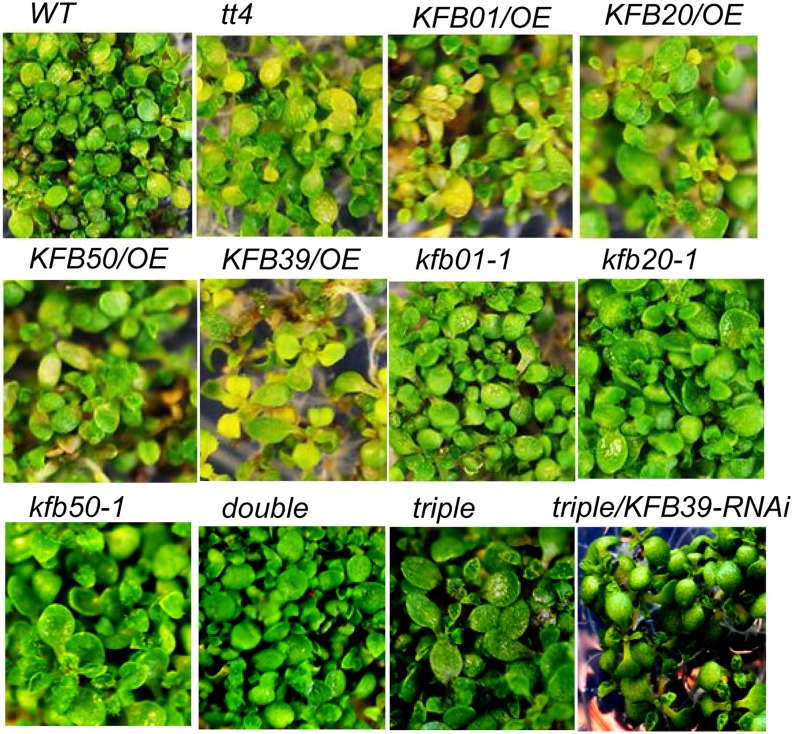
Phenylpropanoid biosynthesis in plants engenders myriad phenolics with diverse biological functions. Phenylalanine ammonia-lyase (PAL) is the first committed enzyme in the pathway, directing primary metabolic flux into a phenylpropanoid branch. Previously, we demonstrated that the Arabidopsis (Arabidopsis thaliana) Kelch domain-containing F-box proteins, AtKFB01, AtKFB20, and AtKFB50, function as the negative regulators controlling phenylpropanoid biosynthesis via mediating PAL's ubiquitination and subsequent degradation. Here, we reveal that Arabidopsis KFB39, a close homolog of AtKFB50, also interacts physically with PAL isozymes and modulates PAL stability and activity. Disturbing the expression of KFB39 reciprocally affects the accumulation/deposition of a set of phenylpropanoid end products, suggesting that KFB39 is an additional posttranslational regulator responsible for the turnover of PAL and negatively controlling phenylpropanoid biosynthesis. Furthermore, we discover that exposure of Arabidopsis to ultraviolet (UV)-B radiation suppresses the expression of all four KFB genes while inducing the transcription of PAL isogenes; these data suggest that Arabidopsis consolidates both transcriptional and posttranslational regulation mechanisms to maximize its responses to UV light stress. Simultaneous down-regulation of all four identified KFBs significantly enhances the production of (poly)phenols and the plant's tolerance to UV irradiation. This study offers a biotechnological approach for engineering the production of useful phenolic chemicals and for increasing a plant's resistance to environmental stress.
© 2015 American Society of Plant Biologists. All Rights Reserved.
Figures
References
-
- Adams J, Kelso R, Cooley L (2000) The Kelch repeat superfamily of proteins: propellers of cell function. Trends Cell Biol 10: 17–24 - PubMed
-
- Agati G, Azzarello E, Pollastri S, Tattini M (2012) Flavonoids as antioxidants in plants: location and functional significance. Plant Sci 196: 67–76 - PubMed
-
- Agati G, Tattini M (2010) Multiple functional roles of flavonoids in photoprotection. New Phytol 186: 786–793 - PubMed
-
- Bagchi D, Bagchi M, Stohs SJ, Das DK, Ray SD, Kuszynski CA, Joshi SS, Pruess HG (2000) Free radicals and grape seed proanthocyanidin extract: importance in human health and disease prevention. Toxicology 148: 187–197 - PubMed
-
- Bate NJ, Orr J, Ni W, Meromi A, Nadler-Hassar T, Doerner PW, Dixon RA, Lamb CJ, Elkind Y (1994) Quantitative relationship between phenylalanine ammonia-lyase levels and phenylpropanoid accumulation in transgenic tobacco identifies a rate-determining step in natural product synthesis. Proc Natl Acad Sci USA 91: 7608–7612 - PMC - PubMed
Publication types
MeSH terms
Substances
LinkOut - more resources
Full Text Sources
Other Literature Sources
Molecular Biology Databases
