Review
. 2015 Jan;263(1):279-301.
doi: 10.1111/imr.12244.

Targeting protein-protein interactions in hematologic malignancies: still a challenge or a great opportunity for future therapies?

Affiliations
Review

Targeting protein-protein interactions in hematologic malignancies: still a challenge or a great opportunity for future therapies?

Tomasz Cierpicki et al. Immunol Rev. 2015 Jan.

Abstract

Over the past several years, there has been an increasing research effort focused on inhibition of protein-protein interactions (PPIs) to develop novel therapeutic approaches for cancer, including hematologic malignancies. These efforts have led to development of small molecule inhibitors of PPIs, some of which already advanced to the stage of clinical trials while others are at different stages of preclinical optimization, emphasizing PPIs as an emerging and attractive class of drug targets. Here, we review several examples of recently developed inhibitors of PPIs highly relevant to hematologic cancers. We address the existing skepticism about feasibility of targeting PPIs and emphasize potential therapeutic benefit from blocking PPIs in hematologic malignancies. We then use these examples to discuss the approaches for successful identification of PPI inhibitors and provide analysis of the protein-protein interfaces, with the goal to address 'druggability' of new PPIs relevant to hematology. We discuss lessons learned to improve the success of targeting new PPIs and evaluate prospects and limits of the research in this field. We conclude that not all PPIs are equally tractable for blocking by small molecules, and detailed analysis of PPI interfaces is critical for selection of those with the highest chance of success. Together, our analysis uncovers patterns that should help to advance drug discovery in hematologic malignancies by successful targeting of new PPIs.

Keywords: Protein-protein interactions; drug discovery; hematologic malignancies.


Conflict of interest statement

The authors have no conflicts of interest to declare.

Figures
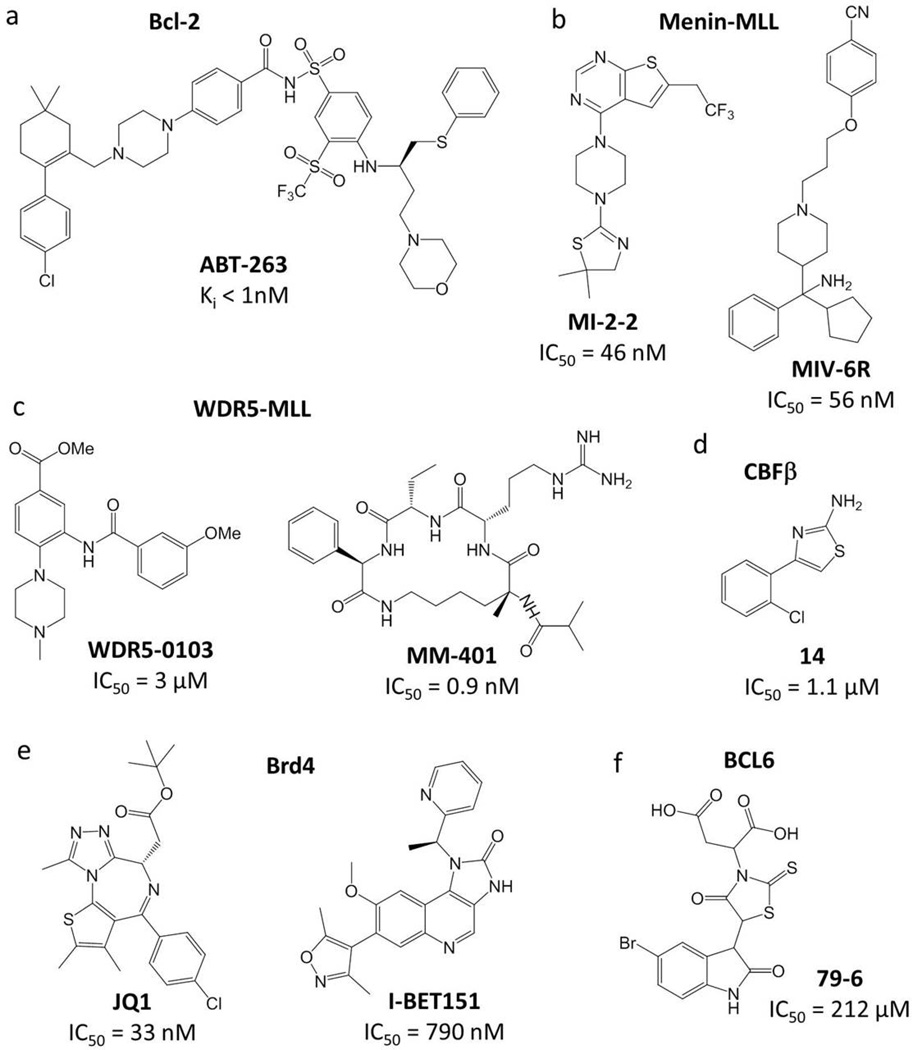
Fig. 1
Fig. 1. Chemical structures and inhibitory activity of PPI inhibitors developed for hematology-related protein targets
(A) ABT-263 targeting Bcl-2 family of proteins. (B) Small molecule inhibitors of the menin-MLL interaction: MI-2-2 and MIV-6R. (C) Inhibitors of WDR5-MLL interaction: small molecule WDR5-0103 and peptidomimetic MM-401. (D) Small molecule inhibitor of CBFβ-Runx1 interaction: cpd 14. (E) Inhibitors of BET bromodomains: JQ1 and I-BET151. (F) Small molecule inhibitor of BCL6: 79-6.
Fig. 2
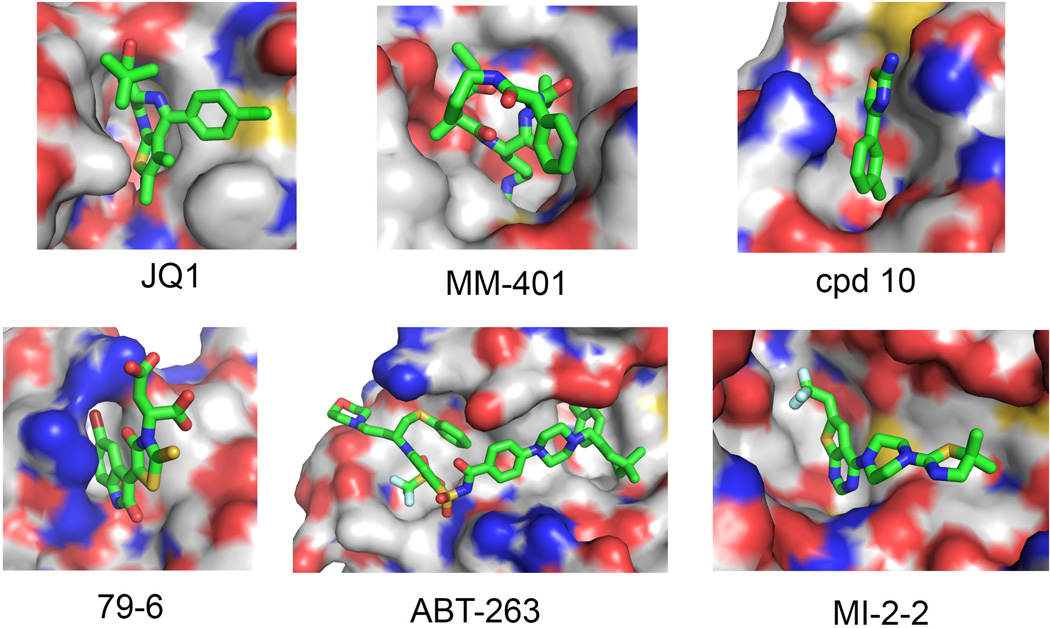
Fig. 2. Binding modes of selected PPI inhibitors to protein targets
JQ1:Brd4 (PDB code 3MXF), ABT-263:Bcl-2 (4LVT), MM-104:WDR5 (4GM9), 79-6:BCL6 (3LBZ), MI-2-2-menin (4GQ4), and cpd 10-CBFβ (43), demonstrating how small molecule inhibitors bind to the surface pockets at PPI interfaces. Small molecule inhibitors are shown in stick representation with carbons in green, oxygens in red, nitrogens in blue, sulfur in yellow, and fluorines in cyan. Protein is shown in surface representation with white carbons, blue nitrogen, red oxygen, and yellow sulfur atoms.
Fig. 3
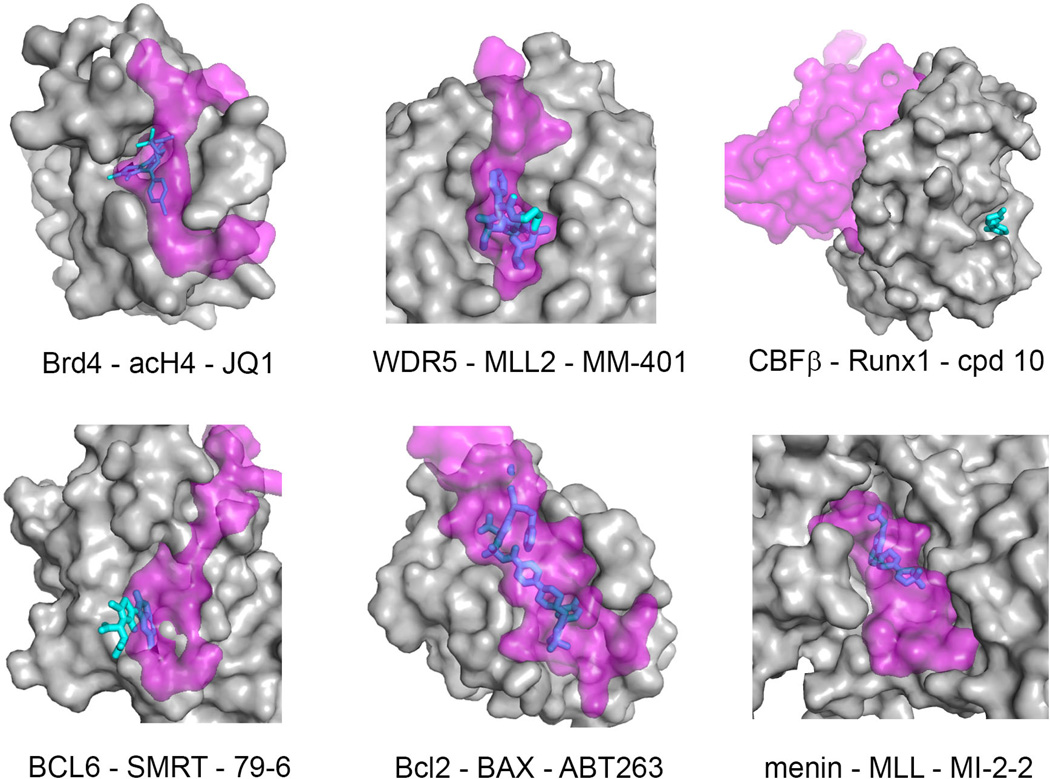
Fig. 3. Comparison of protein-small molecule contacts with protein-protein (or protein-peptide) interaction interfaces
Target protein is shown in surface representation (gray), protein (or peptide) binding partner is shown in semi-transparent surface (magenta) and inhibitors are shown as sticks (cyan/blue). Blue color corresponds to the region of the ligand molecule that overlaps with binding of the protein (peptide) partner, while cyan color corresponds to the ligand portion that does not overlap with binding of the protein (peptide) partner. PDB codes for PPI complexes are as follows: Brd4-acH4 (3UVW), WDR5-MLL2 (3UVK), BCL6-SMRT (1R2B), Bcl-2-BAX (2×A0); menin-MLL (3U88); CBFβ-Runx1 (1H9D). The PDB structures for protein-inhibitor complexes are the same as shown in Fig. 2.
Fig. 4
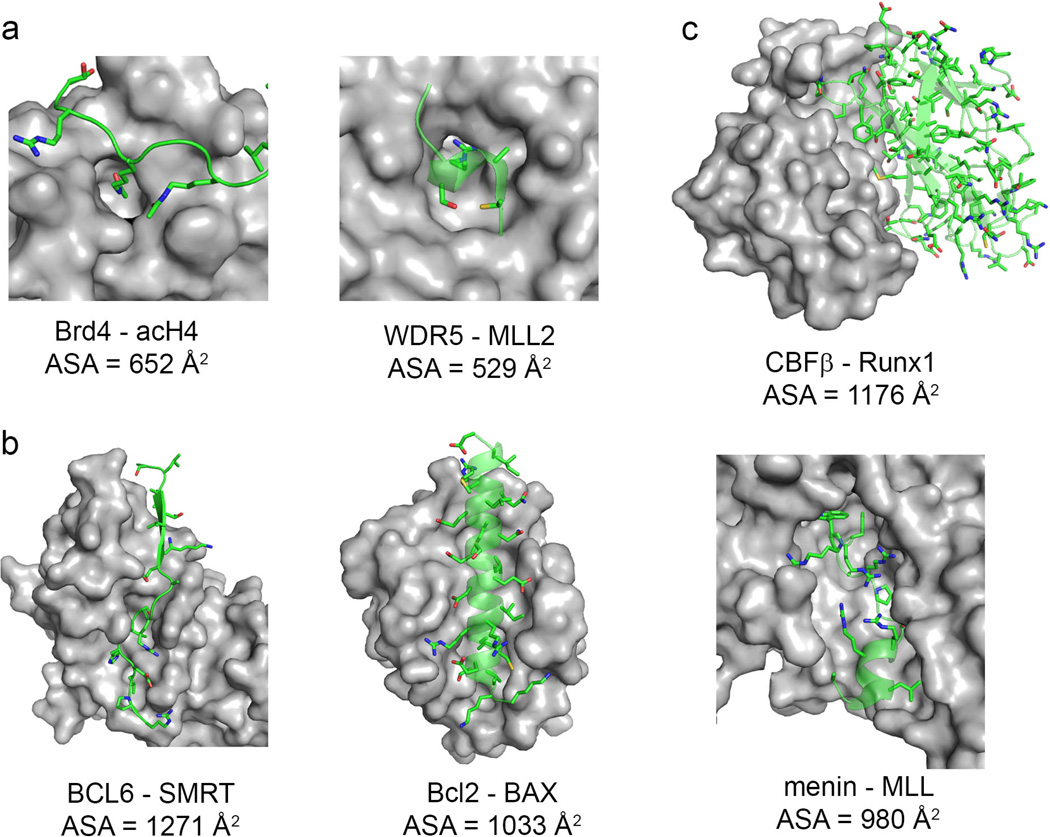
Fig. 4. Types of ‘druggable’ PPI interfaces
(A) Short peptide - domain interaction. (B) Long peptide – domain interaction. (C) Domain-domain interaction. Target proteins are shown in surface representation (gray), and binding partners are shown in ribbon and stick representations (carbon atoms in green, oxygen in red, nitrogen in blue, sulfur in yellow). Accessible solvent area (ASA) buried in complex formation has been calculated with 2P2I inspector software (200) using the same PDB structures as in Fig. 3.
Fig. 5
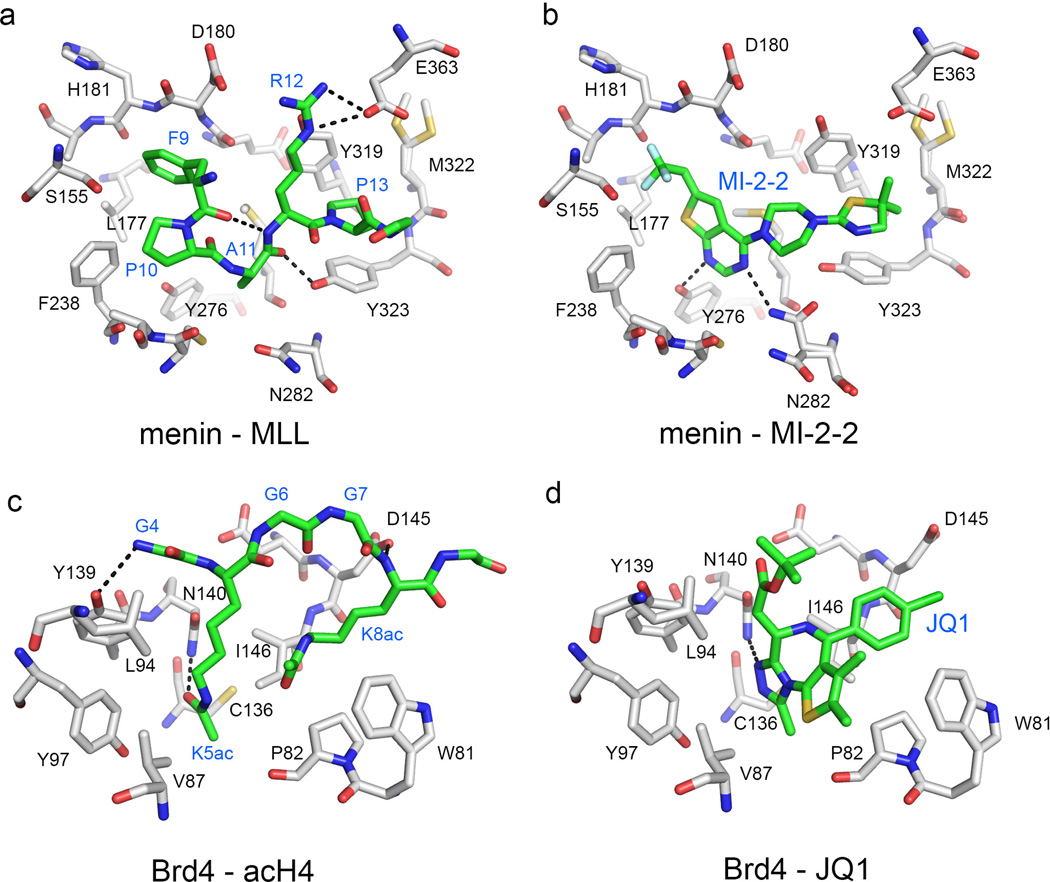
Fig. 5. Comparison of binding modes of natural protein partners and small molecule inhibitors of PPIs
Details of the interaction of MLL derived peptide (A) and MI-2-2 (B) with menin, demonstrating that MI-2-2 occupies the same region of the binding site and closely mimics key interactions of MLL (in particular residues F9 and P13) with menin (PDB codes: 4GQ6 and 4GQ4, respectively). Comparison of the binding mode of acetylated H4 peptide (D) and JQ1 (D) to Brd4 (PDB codes: 3UVW and 3MXF, respectively). Protein residues, peptides and small molecules are shown in stick representations, with carbon atoms in gray (proteins) or green (peptides and small molecules). Color coding for other heavy atoms remains the same for all complexes: oxygens in red, nitrogens in blue, sulfur in yellow and fluorines in cyan. Dashed lines correspond to hydrogen bonds.
Fig. 6
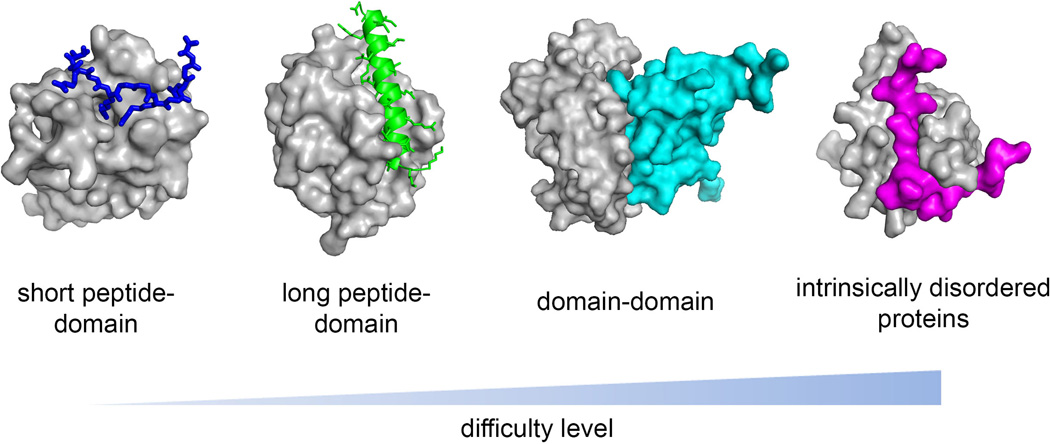
Fig. 6. Difficulty level in targeting PPIs
Short peptide-domain complex is represented by Brd4-acH4 complex (3UVW), long peptide- domain complex is represented by Bcl-2-BAX (2×A0), domain-domain complex is represented by CBFβ-Runx1 (1H9D), and complex of intrinsically disordered proteins is exemplified by AF9-AF4 (2LM0). Target proteins are shown in gray, and binding partners are shown in different colors.

References

    1. Moore AS, Kearns PR, Knapper S, Pearson AD, Zwaan CM. Novel therapies for children with acute myeloid leukaemia. Leukemia. 2013;27:1451–1460. - PubMed
    1. Napper AD, Watson VG. Targeted drug discovery for pediatric leukemia. Front Oncol. 2013;3:170. - PMC - PubMed
    1. Tasian SK, Pollard JA, Aplenc R. Molecular Therapeutic Approaches for Pediatric Acute Myeloid Leukemia. Front Oncol. 2014;4:55. - PMC - PubMed
    1. Brown P, Hunger SP, Smith FO, Carroll WL, Reaman GH. Novel targeted drug therapies for the treatment of childhood acute leukemia. Expert Rev Hematol. 2009;2:145. - PMC - PubMed
    1. Niewerth D, Dingjan I, Cloos J, Jansen G, Kaspers G. Proteasome inhibitors in acute leukemia. Expert Rev Anticancer Ther. 2013;13:327–337. - PubMed

Publication types

Substances