


RNA splicing. The human splicing code reveals new insights into the genetic determinants of disease
- PMID: 25525159
- PMCID: PMC4362528
- DOI: 10.1126/science.1254806
RNA splicing. The human splicing code reveals new insights into the genetic determinants of disease
Abstract
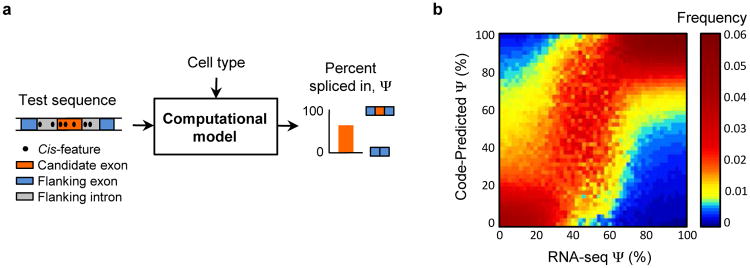
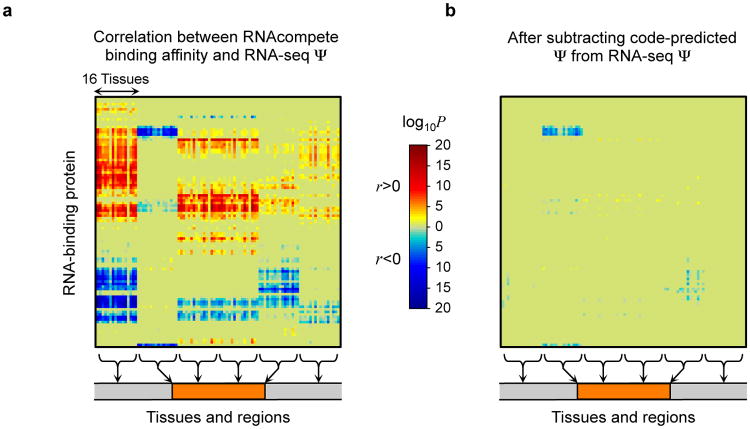
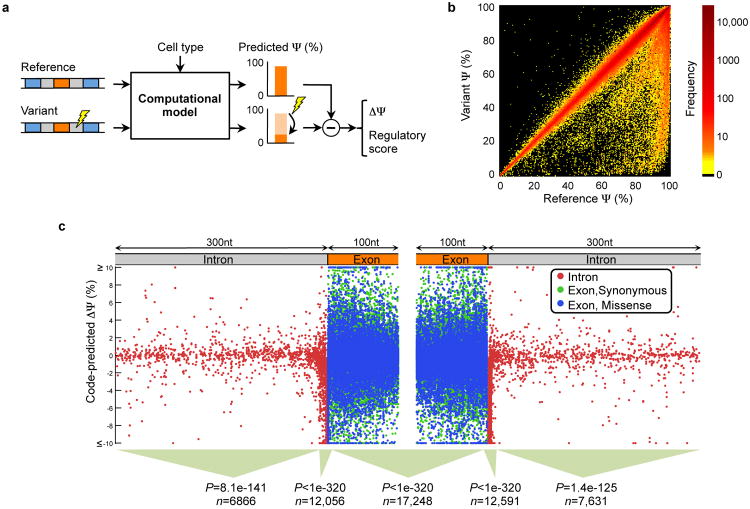
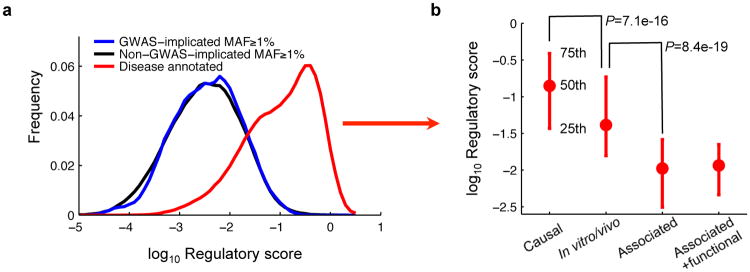
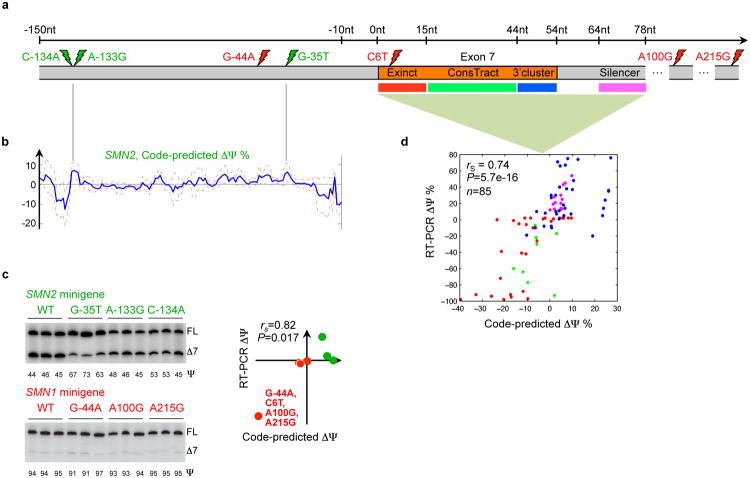
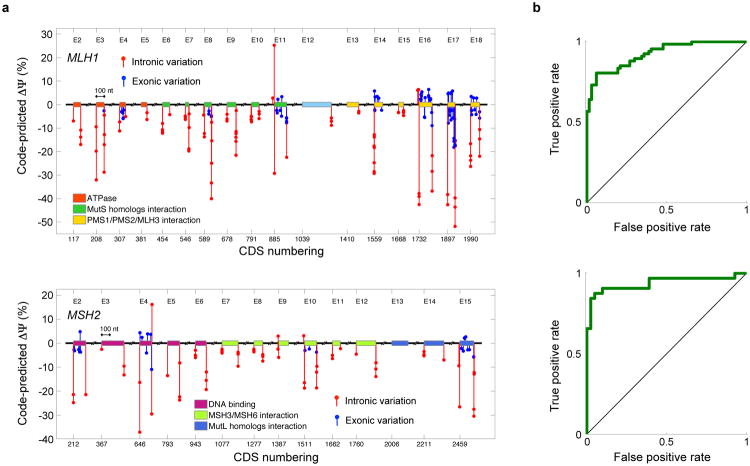
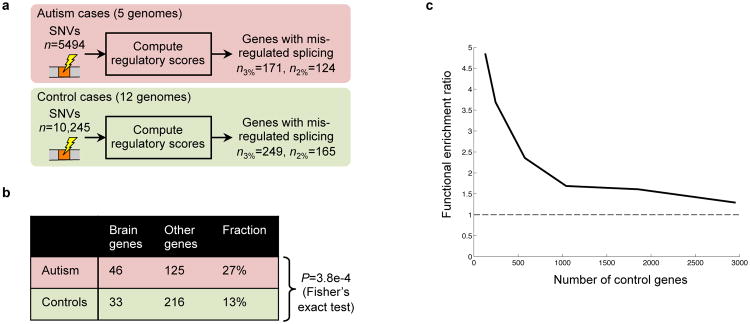
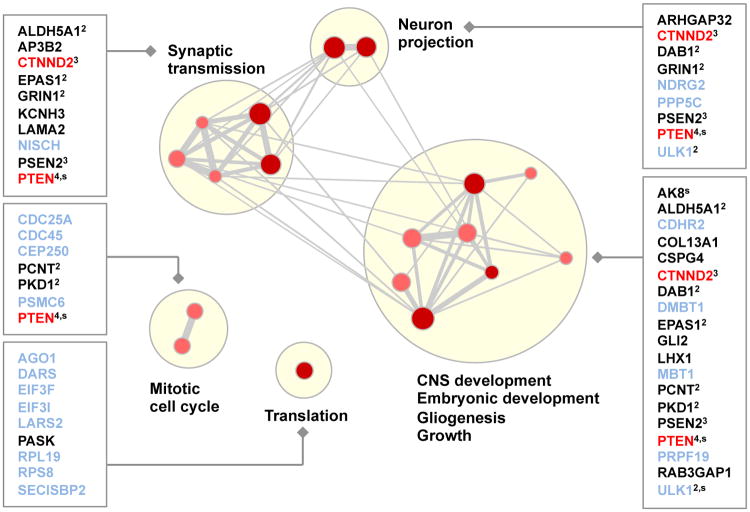
To facilitate precision medicine and whole-genome annotation, we developed a machine-learning technique that scores how strongly genetic variants affect RNA splicing, whose alteration contributes to many diseases. Analysis of more than 650,000 intronic and exonic variants revealed widespread patterns of mutation-driven aberrant splicing. Intronic disease mutations that are more than 30 nucleotides from any splice site alter splicing nine times as often as common variants, and missense exonic disease mutations that have the least impact on protein function are five times as likely as others to alter splicing. We detected tens of thousands of disease-causing mutations, including those involved in cancers and spinal muscular atrophy. Examination of intronic and exonic variants found using whole-genome sequencing of individuals with autism revealed misspliced genes with neurodevelopmental phenotypes. Our approach provides evidence for causal variants and should enable new discoveries in precision medicine.
Copyright © 2015, American Association for the Advancement of Science.
Figures
Comment in
-
RNA. Prescribing splicing.Science. 2015 Jan 9;347(6218):124-5. doi: 10.1126/science.aaa4864. Science. 2015. PMID: 25574005 Free PMC article.
-
Genetic variation and alternative splicing.Nat Biotechnol. 2015 Apr;33(4):357-9. doi: 10.1038/nbt.3195. Nat Biotechnol. 2015. PMID: 25850059 No abstract available.
References
Publication types
MeSH terms
Substances
Grants and funding
LinkOut - more resources
Full Text Sources
Other Literature Sources
Medical
