


Relapsing polychondritis: clinical presentations, disease activity and outcomes
- PMID: 25527201
- PMCID: PMC4302515
- DOI: 10.1186/s13023-014-0198-1
Relapsing polychondritis: clinical presentations, disease activity and outcomes
Abstract
Background: Relapsing polychondritis is a rare disease characterised by inflammation of cartilaginous and proteoglycan rich structures. As there are only a few published single centre case series from all across the world, we describe our experience with 26 patients at a tertiary centre in north India.
Methods: A retrospective study with all patients meeting Damiani and Levine's modification of McAdam's diagnostic criteria. Clinical details, investigations, disease activity assessment [(Relapsing Polychondritis Disease Activity Index (RPDAI)], treatment and outcomes were recorded.
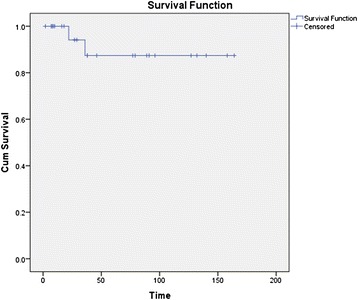
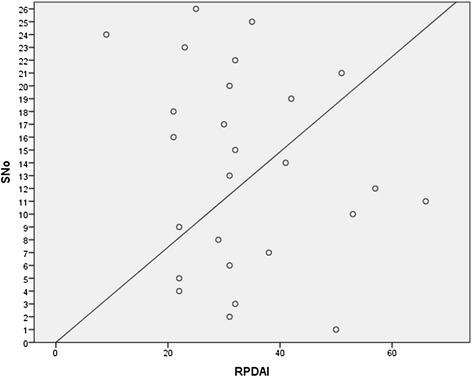
Results: Ten men and sixteen women (median age 45 years) met the diagnostic criteria. Auricular chondritis (96%), arthritis (54%), hearing impairment (42%), ocular (42%), dermal (26%), cardiovascular (11%) and laryngotracheal involvement (11%) characterized the clinical presentations. The median RPDAI was 31 (range 9-66). Two patients died during observation. Overall survival was 92.3% (median survival 13.5 years).
Conclusions: Apart from reduced laryngotracheal involvement, RP in India was clinically similar to recorded patterns elsewhere.
Figures
References
-
- Kong KO, Vasoo S, Tay NS, Chng HH. Relapsing polychondritis–an Oriental case series. Singapore Med J. 2003;44:197–200. - PubMed
Publication types
MeSH terms
Substances
LinkOut - more resources
Full Text Sources
Other Literature Sources
Research Materials
Miscellaneous
