


Physician burnout: coaching a way out
- PMID: 25527340
- PMCID: PMC4371007
- DOI: 10.1007/s11606-014-3144-y
Physician burnout: coaching a way out
Abstract
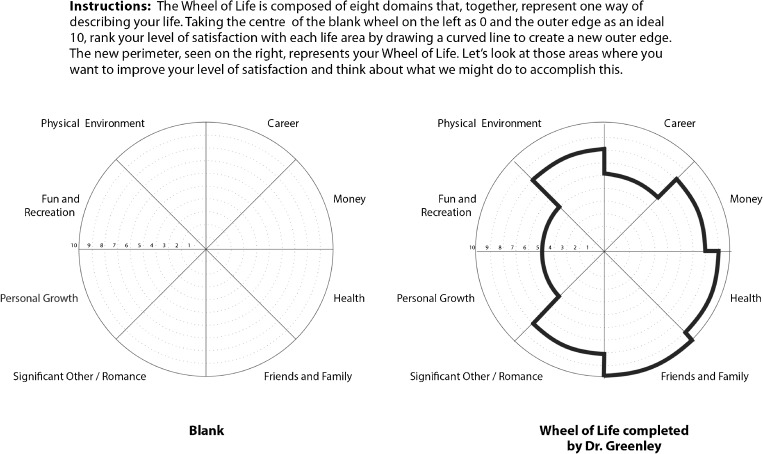
Twenty-five to sixty percent of physicians report burnout across all specialties. Changes in the healthcare environment have created marked and growing external pressures. In addition, physicians are predisposed to burnout due to internal traits such as compulsiveness, guilt, and self-denial, and a medical culture that emphasizes perfectionism, denial of personal vulnerability, and delayed gratification. Professional coaching, long utilized in the business world, provides a results-oriented and stigma-free method to address burnout, primarily by increasing one's internal locus of control. Coaching enhances self-awareness, drawing on individual strengths, questioning self-defeating thoughts and beliefs, examining new perspectives, and aligning personal values with professional duties. Coaching utilizes established techniques to increase one's sense of accomplishment, purpose, and engagement, all critical in ameliorating burnout. Coaching presumes that the client already possesses strengths and skills to handle life's challenges, but is not accessing them maximally. Although an evidence base is not yet established, the theoretical basis of coaching's efficacy derives from the fields of positive psychology, mindfulness, and self-determination theory. Using a case example, this article demonstrates the potential of professional coaching to address physician burnout.
References
-
- Mechanic D. Physician discontent: challenges and opportunities. JAMA. 2003;290(7):941–946. - PubMed
-
- Shanafelt TD. Enhancing meaning in work: a prescription for preventing physician burnout and promoting patient-centered care. JAMA. 2009;302(12):1338–1340. - PubMed
-
- Maslach C, Schaufeli WB, Leiter MP. Job burnout. Annu Rev Psychol. 2001;52:397–422. - PubMed
-
- Hyman SA, Michaels DR, Berry JM, Schildcrout JS, Mercaldo ND, Weinger MB. Risk of burnout in perioperative clinicians: a survey study and literature review. Anesthesiology. 2011;114(1):194–204. - PubMed
Publication types
MeSH terms
LinkOut - more resources
Full Text Sources
Other Literature Sources
Medical
