When it comes to lifestyle recommendations, more is sometimes less: a meta-analysis of theoretical assumptions underlying the effectiveness of interventions promoting multiple behavior domain change
- PMID: 25528345
- PMCID: PMC4801324
- DOI: 10.1037/a0038295
When it comes to lifestyle recommendations, more is sometimes less: a meta-analysis of theoretical assumptions underlying the effectiveness of interventions promoting multiple behavior domain change
Abstract
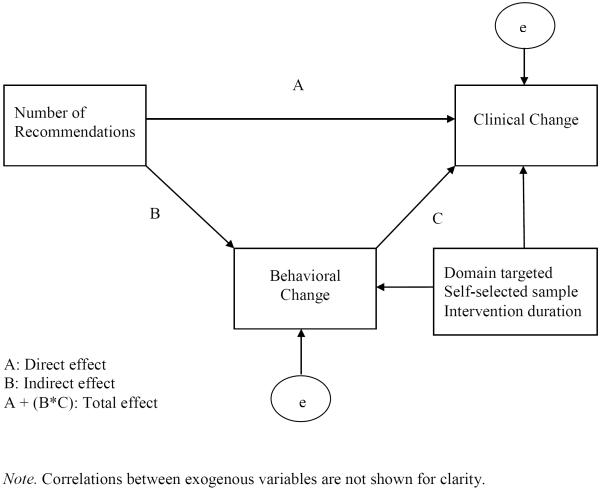
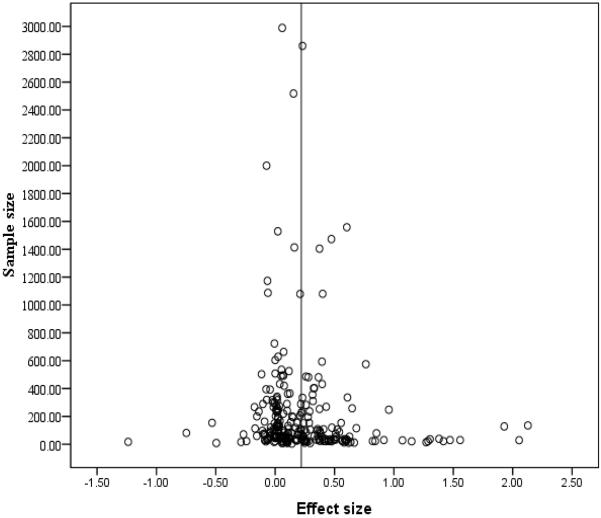
A meta-analysis of 150 research reports summarizing the results of multiple behavior domain interventions examined theoretical predictions about the effects of the included number of recommendations on behavioral and clinical change in the domains of smoking, diet, and physical activity. The meta-analysis yielded 3 main conclusions. First, there is a curvilinear relation between the number of behavioral recommendations and improvements in behavioral and clinical measures, with a moderate number of recommendations producing the highest level of change. A moderate number of recommendations is likely to be associated with stronger effects because the intervention ensures the necessary level of motivation to implement the recommended changes, thereby increasing compliance with the goals set by the intervention, without making the intervention excessively demanding. Second, this curve was more pronounced when samples were likely to have low motivation to change, such as when interventions were delivered to nonpatient (vs. patient) populations, were implemented in nonclinic (vs. clinic) settings, used lay community (vs. expert) facilitators, and involved group (vs. individual) delivery formats. Finally, change in behavioral outcomes mediated the effects of number of recommended behaviors on clinical change. These findings provide important insights that can help guide the design of effective multiple behavior domain interventions.
PsycINFO Database Record (c) 2015 APA, all rights reserved.
Figures
References
-
- Aguiar EJ, Morgan PJ, Collins CE, Plotnikoff R, Callister R. Efficacy of interventions that include diet, aerobic and resistance training components for type 2 diabetes prevention: A systematic review with meta-analysis. The International Journal of Behavioral Nutrition and Physical Acitivity. 2014;11:2. - PMC - PubMed
-
- Albarracín D. Cognition in persuasion: An analysis of information processing in response to persuasive communications. In: Zanna MP, editor. Advances in experimental social psychology. Vol. 34. Academic Press; San Diego, CA: 2002. pp. 61–130.
Publication types
MeSH terms
Grants and funding
LinkOut - more resources
Full Text Sources
Other Literature Sources