Review
. 2014 Dec 22;6(12):5955-74.
doi: 10.3390/nu6125955.

Sugar intake, obesity, and diabetes in India

Affiliations
Review

Sugar intake, obesity, and diabetes in India

Seema Gulati et al. Nutrients. .

Abstract

Sugar and sweet consumption have been popular and intrinsic to Indian culture, traditions, and religion from ancient times. In this article, we review the data showing increasing sugar consumption in India, including traditional sources (jaggery and khandsari) and from sugar-sweetened beverages (SSBs). Along with decreasing physical activity, this increasing trend of per capita sugar consumption assumes significance in view of the high tendency for Indians to develop insulin resistance, abdominal adiposity, and hepatic steatosis, and the increasing "epidemic" of type 2 diabetes (T2DM) and cardiovascular diseases. Importantly, there are preliminary data to show that incidence of obesity and T2DM could be decreased by increasing taxation on SSBs. Other prevention strategies, encompassing multiple stakeholders (government, industry, and consumers), should target on decreasing sugar consumption in the Indian population. In this context, dietary guidelines for Indians show that sugar consumption should be less than 10% of total daily energy intake, but it is suggested that this limit be decreased.


Figures
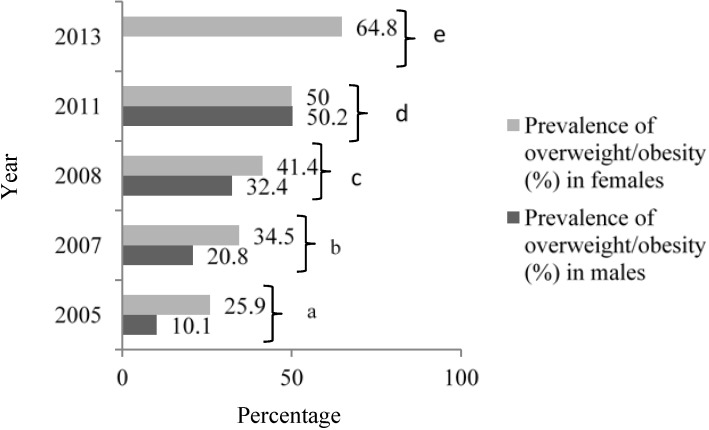
Figure 1
Figure 1
Prevalence of overweight/obesity in India, 2005–2013.
Figure 2
Figure 2
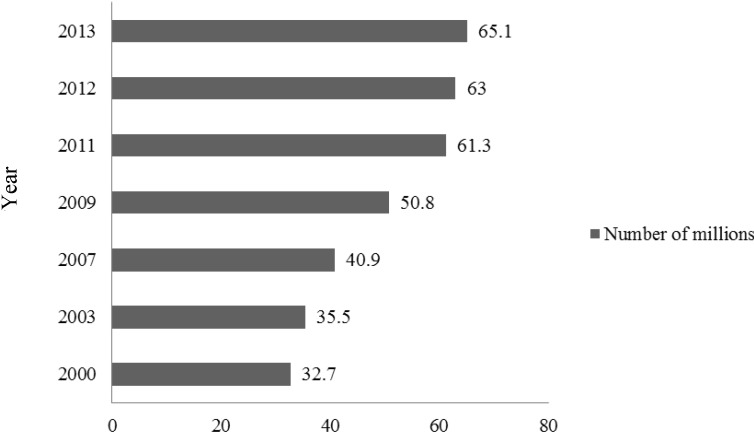
Number of patients with diabetes in India, 2000–2013.
Figure 3
Figure 3
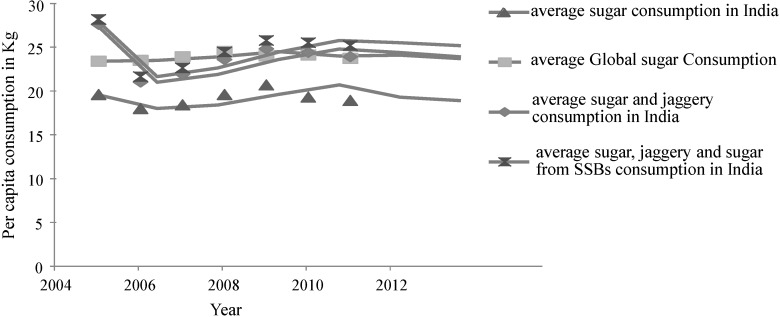
Trend line showing average intake of sugar globally and total sugar intake from various sources (“traditional sugars”: jaggery and khandsari; sugar and sugar from sugar-sweetened beverages) compiled for India.
Figure 4
Figure 4
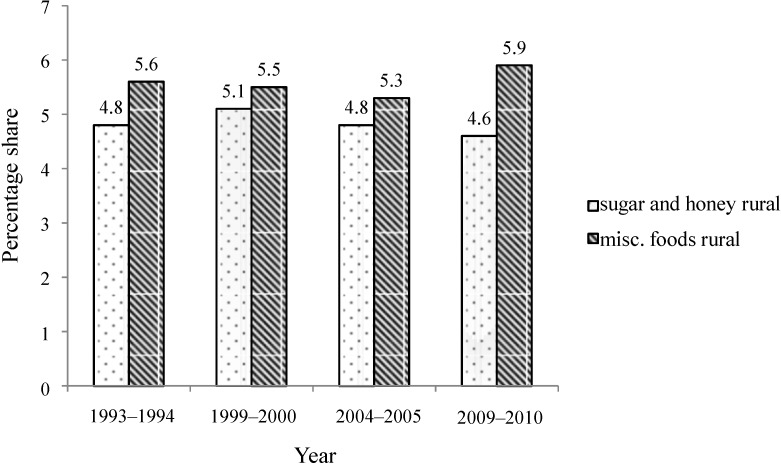
Percent share of total calories from “sugar and honey” and “misc. foods” in rural population of India, 1993–2010.
Figure 5
Figure 5
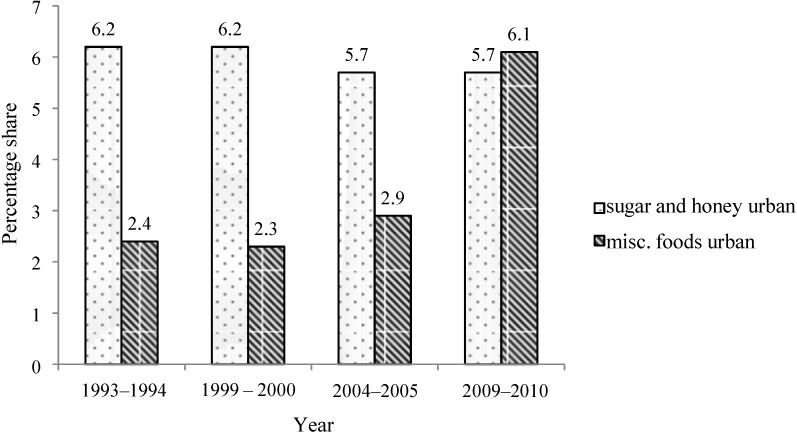
Percent share of total calories from “sugar and honey” and “Misc. foods” in urban population of India, 1993–2010.
Figure 6
Figure 6
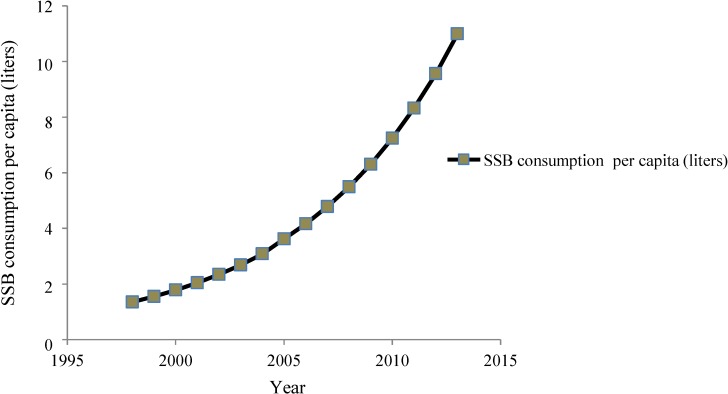
SSB consumption in liters per capita in India, 1998–2013.
Figure 7
Figure 7
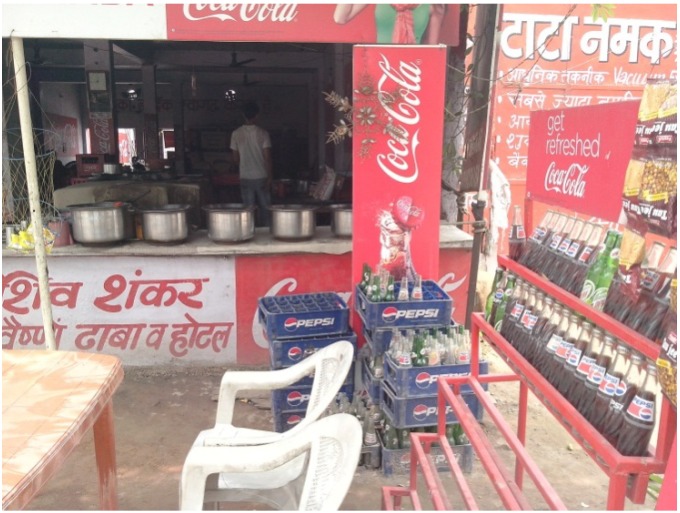
Bottles of sugar-sweetened beverages stacked outside a small shop (dhaba) on the national highway (NH-58), 60 km from Delhi.
Figure 8
Figure 8
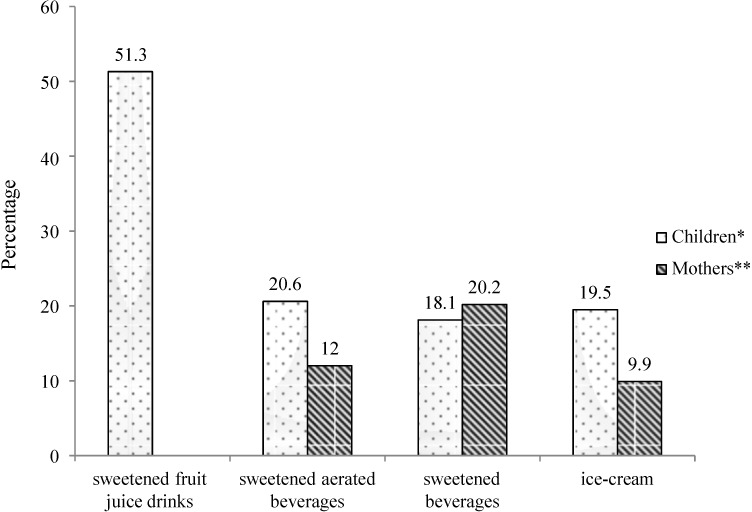
Percentage of children and mothers consuming different sweetened food items ≥4 times/week.
Figure 9
Figure 9
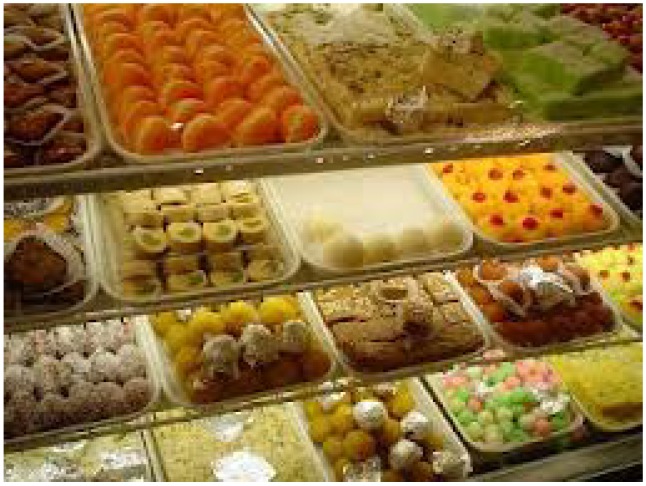
Indian sweets displayed in a commercial outlet in Delhi (North India).
Figure 10
Figure 10
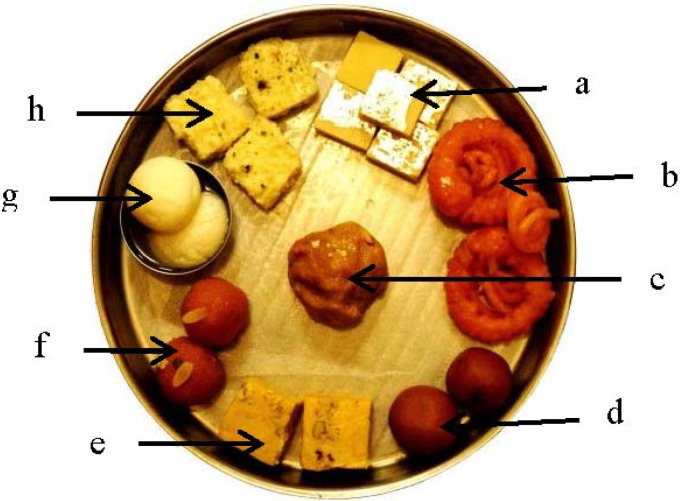
Photograph of commonly consumed North Indian sweets.
Figure 11
Figure 11
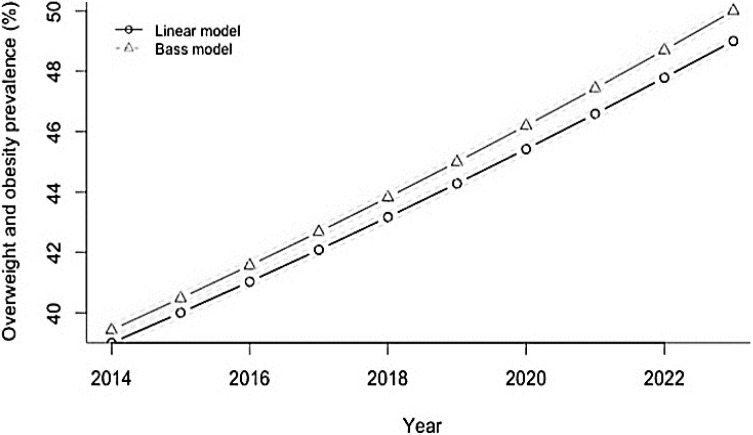
Projected trajectory of overweight and obesity in India, 2013–2023, if SSB consumption continues at the same rate.
Figure 12
Figure 12
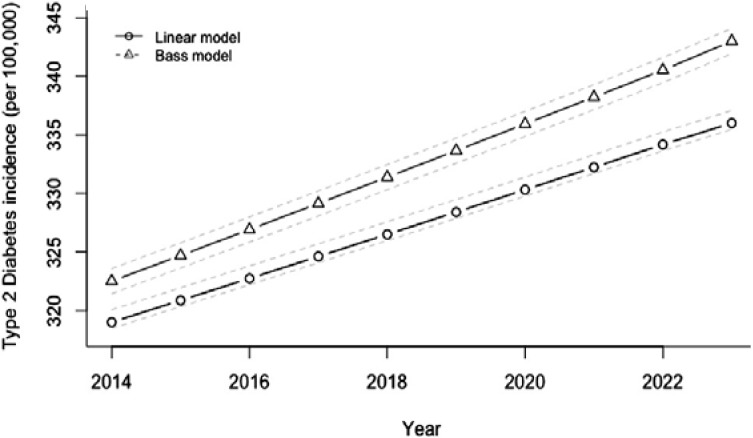
Projected trajectory of type 2 diabetes mellitus incidence in India, 2013–2023, if SSB consumption continues at the same rate.

References

    1. National Federation of Cooperative Sugar Factories Limited History: Genesis of Sugarcane and Sugar. [(accessed on 11 December 2014)]. Available online: http://www.mandvisugar.com/page/8/sugar-history.
    1. Misra A., Singhal N., Sivakumar B., Bhagat N., Jaiswal A., Khurana L. Nutrition transition in India: Secular trends in dietary intake and their relationship to dietrelated non-communicable diseases. J. Diabetes. 2011;3:278–292. doi: 10.1111/j.1753-0407.2011.00139.x. - DOI - PubMed
    1. Misra A., Shrivastava U. Obesity and dyslipidemia in South Asians. Nutrients. 2013;5:2708–2733. doi: 10.3390/nu5072708. - DOI - PMC - PubMed
    1. International Diabetes Federation The IDF Diabetes Atlas. 6th ed. 2013. [(accessed on 5 May 2014)]. Available online: http://www.idf.org/atlasmap/atlasmap.
    1. Misra A., Khurana L. Obesity and the metabolic syndrome in developing countries. J. Clin. Endocrinol. Metab. 2008;93:9–30. doi: 10.1210/jc.2008-1595. - DOI - PubMed

Substances

LinkOut - more resources