


doi: 10.1097/JTO.0000000000000405.
Molecularly targeted therapies in non-small-cell lung cancer annual update 2014
Affiliations
- PMID: 25535693
- PMCID: PMC4346098
- DOI: 10.1097/JTO.0000000000000405
Item in Clipboard
Molecularly targeted therapies in non-small-cell lung cancer annual update 2014
J Thorac Oncol.
2015 Jan.
Abstract
There have been significant advances in the understanding of the biology and treatment of non-small-cell lung cancer (NSCLC) during the past few years. A number of molecularly targeted agents are in the clinic or in development for patients with advanced NSCLC. We are beginning to understand the mechanisms of acquired resistance after exposure to tyrosine kinase inhibitors in patients with oncogene addicted NSCLC. The advent of next-generation sequencing has enabled to study comprehensively genomic alterations in lung cancer. Finally, early results from immune checkpoint inhibitors are very encouraging. This review summarizes recent advances in the area of cancer genomics, targeted therapies, and immunotherapy.
Figures
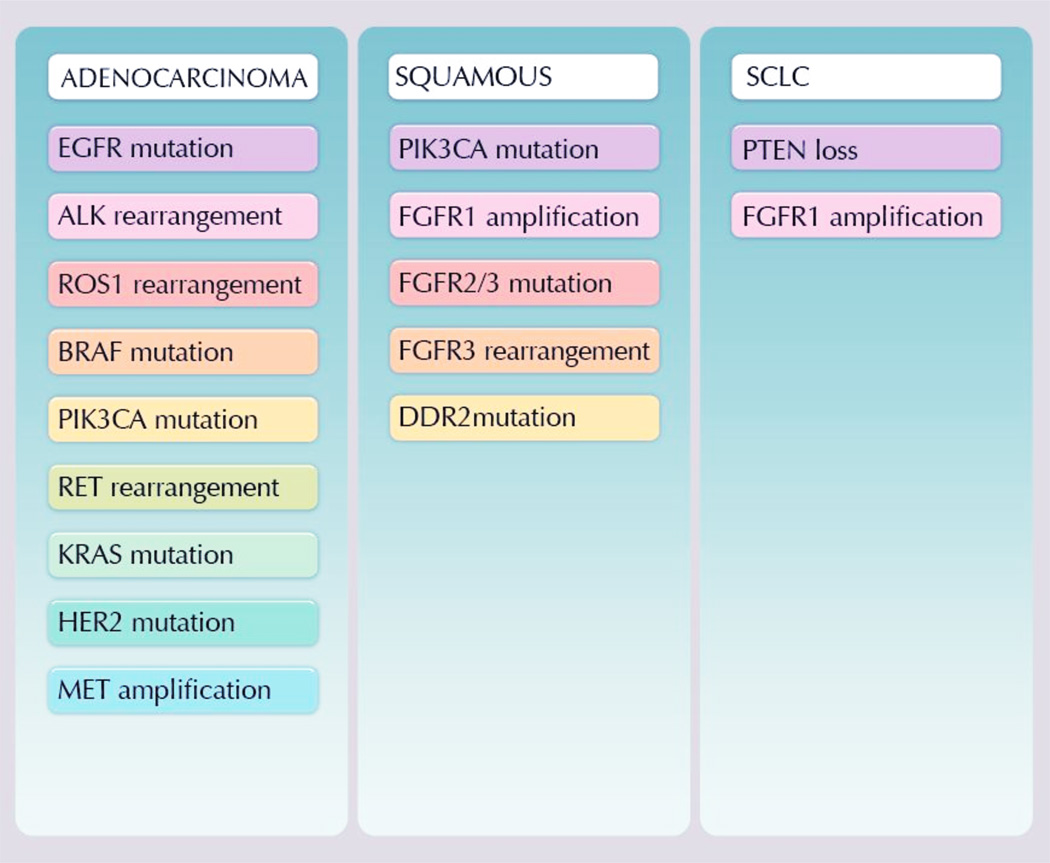
Potential targetable oncogenes by histology subtype
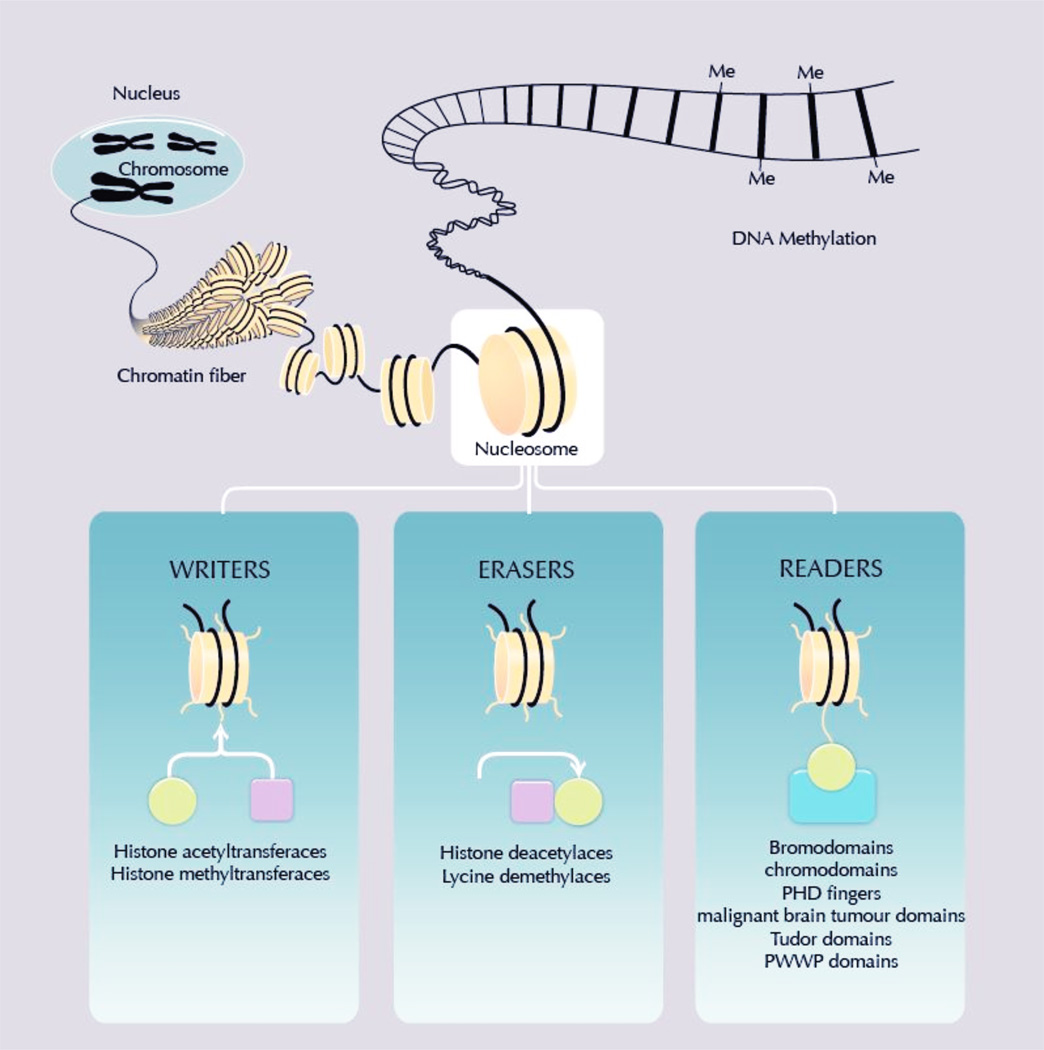
Chromatin modifying enzymes
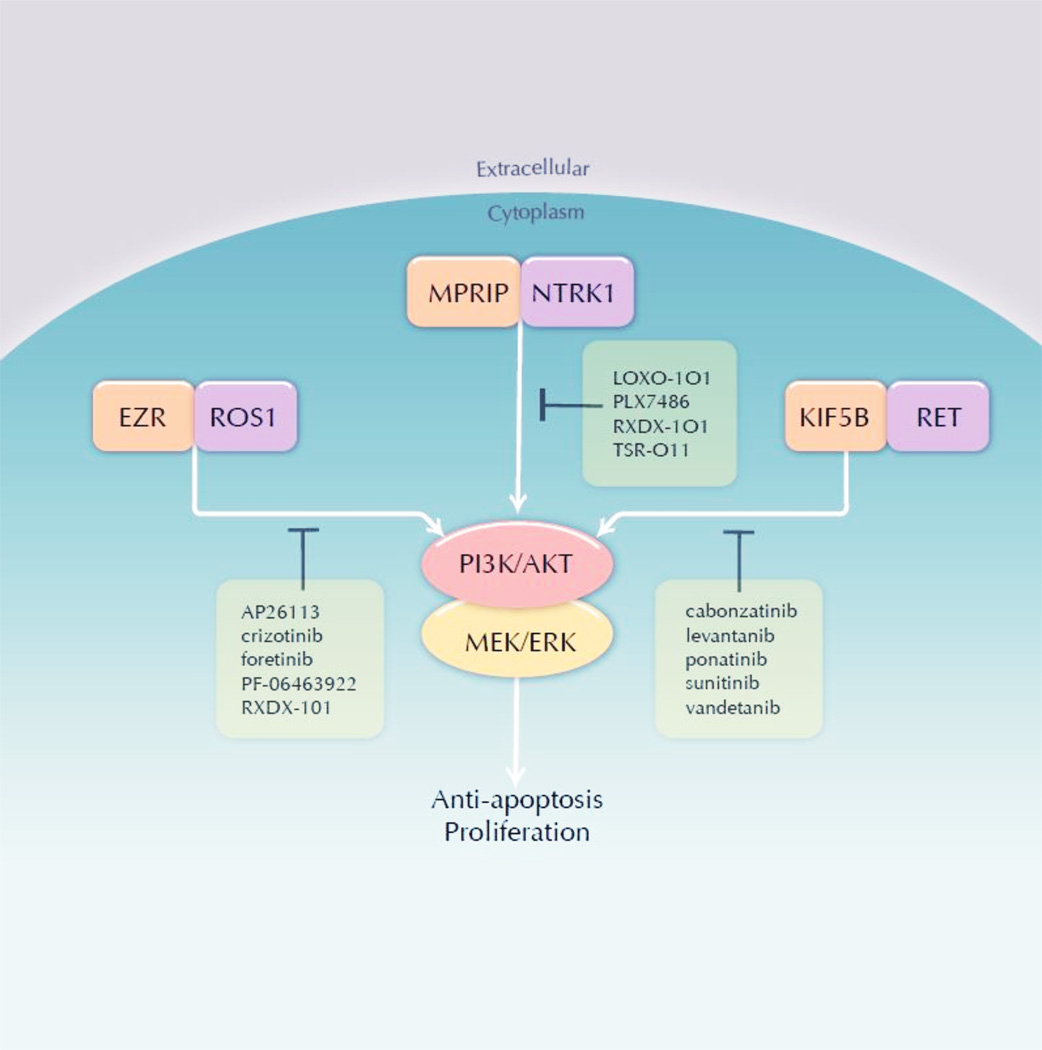
ROS1, NTRK1 and RET inhibitors.
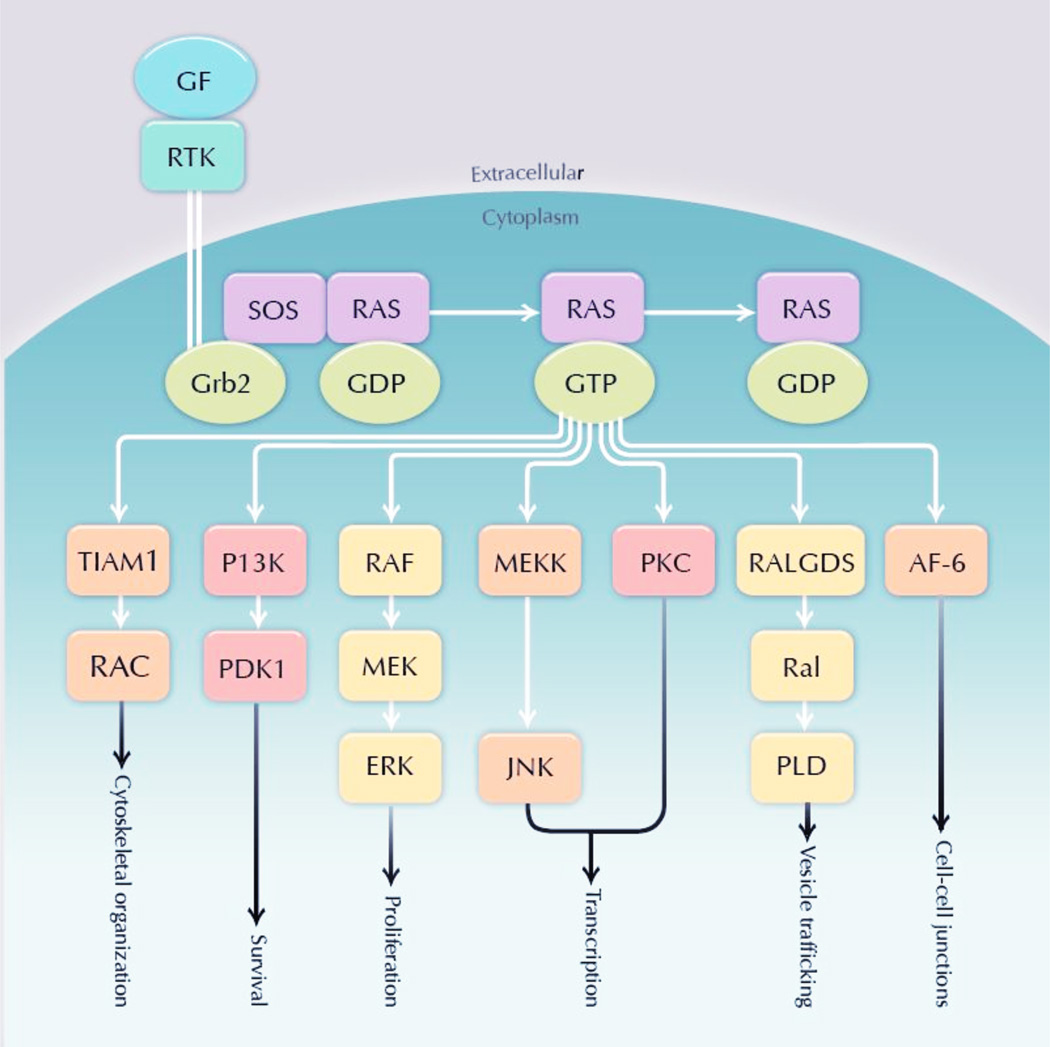
KRAS Mutations in NSCLC
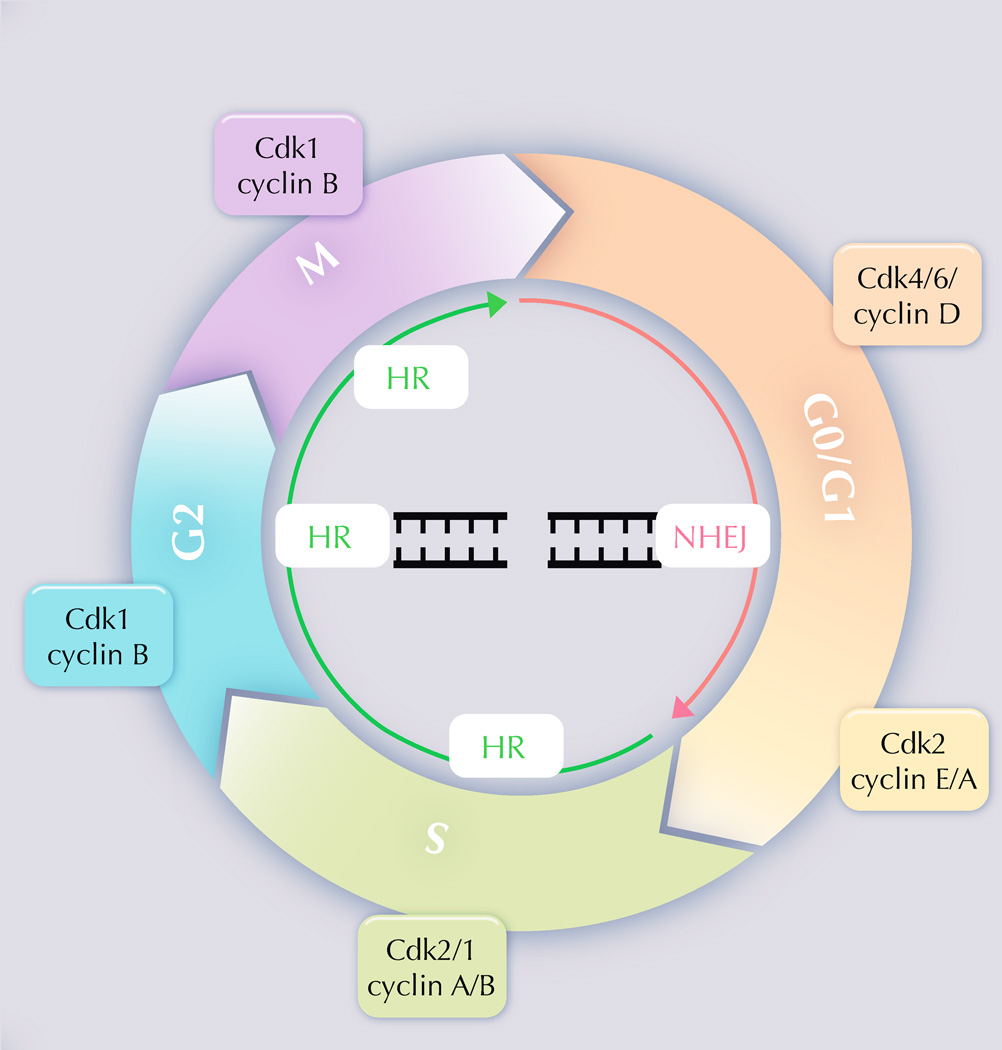
Mitotic/Cyclin Inhibitors
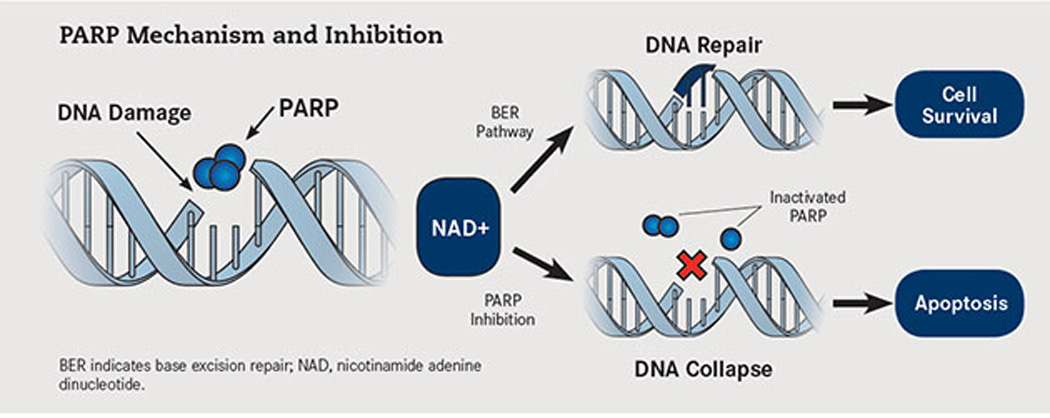
PARP inhibition: Mechanism of action (reproduced from Oncology Live, 2013, permission requested)
References
-
- Paez JG, Janne PA, Lee JC, et al. EGFR mutations in lung cancer: correlation with clinical response to gefitinib therapy. Science (New York, NY) 2004;304:1497–1500. - PubMed
-
- Lynch TJ, Bell DW, Sordella R, et al. Activating mutations in the epidermal growth factor receptor underlying responsiveness of non-small-cell lung cancer to gefitinib. The New England journal of medicine. 2004;350:2129–2139. - PubMed
-
- Pao W, Miller V, Zakowski M, et al. EGF receptor gene mutations are common in lung cancers from "never smokers" and are associated with sensitivity of tumors to gefitinib and erlotinib. Proceedings of the National Academy of Sciences of the United States of America. 2004;101:13306–13311. - PMC - PubMed
MeSH terms
Grants and funding
LinkOut - more resources
Full Text Sources
Medical
Miscellaneous
