. 2014 Dec 26;9(12):e115036.
doi: 10.1371/journal.pone.0115036. eCollection 2014.

Switching of pyruvate kinase isoform L to M2 promotes metabolic reprogramming in hepatocarcinogenesis

Affiliations

Switching of pyruvate kinase isoform L to M2 promotes metabolic reprogramming in hepatocarcinogenesis

Carmen Chak-Lui Wong et al. PLoS One. .

Abstract

Hepatocellular carcinoma (HCC) is an aggressive tumor, with a high mortality rate due to late symptom presentation and frequent tumor recurrences and metastasis. It is also a rapidly growing tumor supported by different metabolic mechanisms; nevertheless, the biological and molecular mechanisms involved in the metabolic reprogramming in HCC are unclear. In this study, we found that pyruvate kinase M2 (PKM2) was frequently over-expressed in human HCCs and its over-expression was associated with aggressive clinicopathological features and poor prognosis of HCC patients. Furthermore, knockdown of PKM2 suppressed aerobic glycolysis and cell proliferation in HCC cell lines in vitro. Importantly, knockdown of PKM2 hampered HCC growth in both subcutaneous injection and orthotopic liver implantation models, and reduced lung metastasis in vivo. Of significance, PKM2 over-expression in human HCCs was associated with a down-regulation of a liver-specific microRNA, miR-122. We further showed that miR-122 interacted with the 3UTR of the PKM2 gene. Re-expression of miR-122 in HCC cell lines reduced PKM2 expression, decreased glucose uptake in vitro, and suppressed HCC tumor growth in vivo. Our clinical data and functional studies have revealed a novel biological mechanism involved in HCC metabolic reprogramming.


Conflict of interest statement

Competing Interests: Co-author Dr. Chun-Ming Wong is an editorial board member of PLOS ONE and this does not alter the authors’ adherence to PLOS ONE Editorial policies and criteria.

Figures

Figure 1
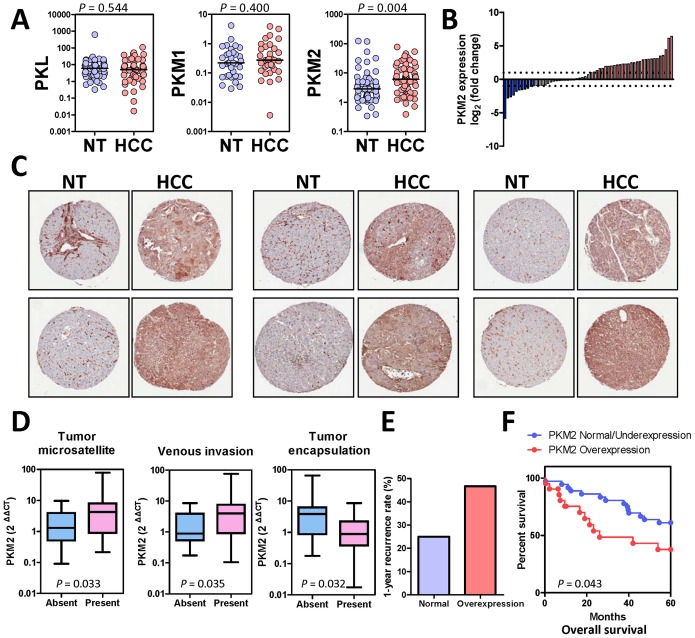
Figure 1. PKM2 expression in human HCC.
(A) mRNA expression of PKL, PKM1, and PKM2 in HCC and NT tissues. Values = 2ΔΔCT, ΔΔCT = (CTPK – CTHPRT) of HCC - (CTPK– CTHPRT) of NT. P values, Wilcoxin signed rank test (B) Waterfall plot shows that, at the mRNA level, PKM2 was up-regulated (HCC/NT2 folds) in 29/60 (48.33%) human HCC samples. (C) Representative pictures of IHC staining with antibody against PKM2 in HCC tissue microarray. PKM2 protein was drastically up-regulated in human HCCs as compared to the paired NT tissues. (D) Mann Whitney test showed that PKM2 over-expression was associated with multiple aggressive clinicopathological features in HCC including the presence of tumor microsatellites, presence of venous invasion, and absence of tumor encapsulation. (E) Over-expression of PKM2 in human HCC was associated with poor prognosis. HCC patients were categorized into two groups: PKM2 over-expression and PKM2 normal/under-expression. PKM2 was considered to be over-expressed when HCC/NT2 folds and was considered to be normal/under-expressed otherwise. HCC patients with PKM2 over-expression had a higher 1-year tumor recurrence rate after surgical resection than HCC patients without PKM2 over-expression, 46.667% Vs 25%. (F) Patients with PKM2 over-expression had lower 5-year overall survival rates after surgical resection. P values were calculated by Kaplan-Meir log rank test.
Figure 2
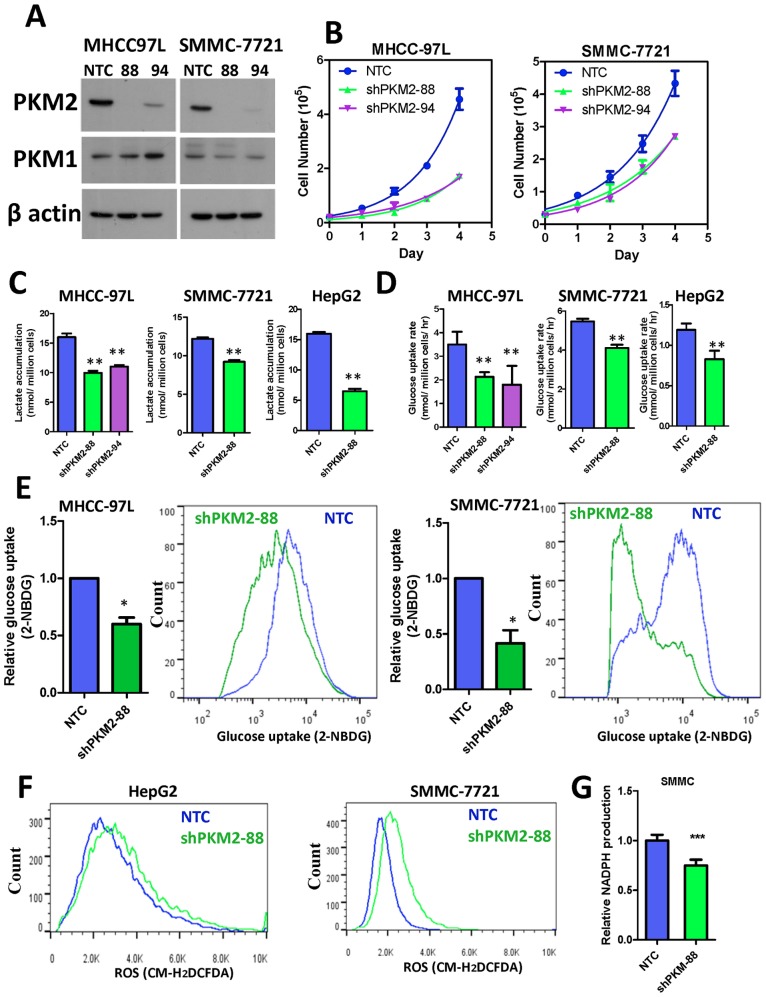
Figure 2. PKM2 promoted HCC growth in vitro through regulating aerobic glycolysis and ROS levels.
(A) Two stable PKM2 knockdown clones were generated in MHCC-97L and SMMC-7721 cells. Expression of PKM2, PKM1, and β actin were evaluated by Western Blots. (B) Knockdown of PKM2 by two independent sequences consistently reduced HCC cell proliferation rate by cell counting. (C) Knockdown of PKM2 reduced lactate accumulation in multiple HCC cell lines. (D) Colorimetric assay showed that knockdown of PKM2 reduced the glucose consumption rate of multiple HCC cell lines. (E) Glucose uptake in HCC cells was confirmed with 2-NBDG staining. (F) Knockdown of PKM2 increased ROS accumulation in multiple HCC cells. (G) Knockdown of PKM2 decreased NADPH level in SMMC-7721 cells. Values were normalized to NTC of the according cell lines. *P<0.05, **P<0.01, **P<0.001 Student’s t test (n≧3).
Figure 3
Figure 3. PKM2 promoted HCC growth in vivo.
(A) Left: Subcutaneous tumors derived from SMMC-NTC, -shPKM2 cells. Middle: volumes (mm3) of SMMC-NTC and -shPKM2 tumors were measured and plotted against time. Right: mass (g) of SMMC-NTC, -shPKM2 tumors were measured at the end of the experiment. (**P<0.01, Student’s t test) (B) Left: subcutaneous tumors derived from MHCC-97L-NTC and -shPKM2 cells. Middle: volumes (mm3) of MHCC-97L-NTC and -shPKM2 tumors were measured and plotted against time. Right: mass (g) of MHCC-97L-NTC and -shPKM2 tumors were measured at the end of the experiment. (C) Left: orthotopic tumors derived from MHCC-97L-NTC and -shPKM2 cells. Right: Tumor volume was measured at the end of the experiment. (D) Left: bioluminescent signals of the lung tissues in the mice orthotopically implanted with luciferase labeled-MHCC-97L-NTC and -shPKM2 cells. Right: mRNA expression of human hexokinase 2 (HK2) in lung tissues of mice orthotopically implanted with luciferase-labeled MHCC-97L-NTC and -shPKM2 cells. Values were normalized to mouse GAPDH. *P<0.05, **P<0.01,***P<0.001, Student’s t test. Scale: 1 cm.
Figure 4
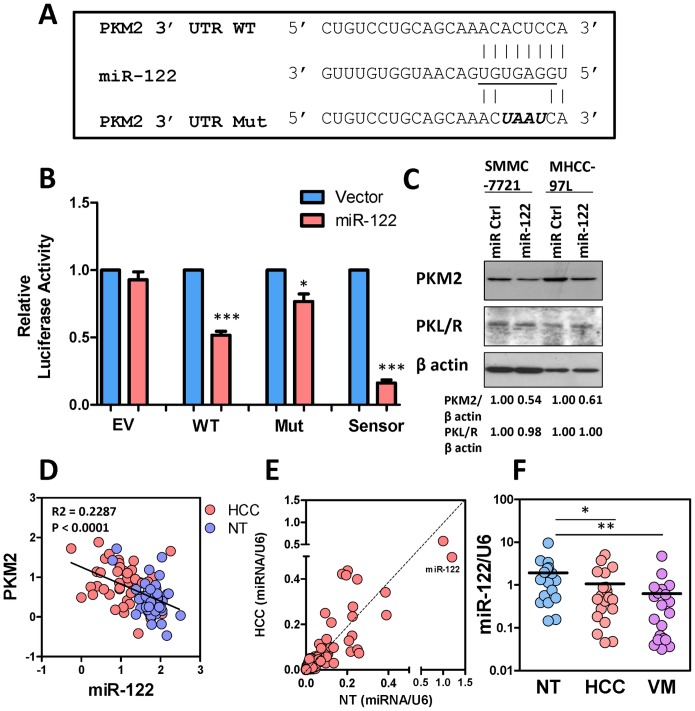
Figure 4. MiR-122 targeted PKM2 and suppressed PKM2 expression.
(A) Seed sequence of miR-122 in the 3UTR of PKM2 was underlined. WT and mutated sequences of PKM2 were inserted into pmiRGLO luciferase vector. (B) Re-expression of miR-122 suppressed luciferase activity of the WT but not the Mut 3UTR of PKM2. EV and sensor sequences served as negative and positive controls, respectively. (C) Re-expression of miR-122 in SMMC-7221 and MHCC-97L cells suppressed PKM2 but not PKL/R expression. (D) Linear regression model demonstrated that PKM2 mRNA expression was inversely correlated with miR-122 expression in HCC (pink) and NT liver tissues (blue). (E) Expression levels of 667 miRNA species in HCC and NT were plotted. Each dot represents one individual miRNA. MiR-122 is the most abundant miRNA in NT liver. (F) MiR-122 expression in NT, HCC, and venous metastases (VM). Data were retrieved from low density microarray in which expressions of 667 miRNA species were compared between NT, HCC, and VM. B, *P<0.05, ** P<0.01, *** P<0.001, Student’s t test (n≧3). E, *P<0.05, **P<0.01, Wilcoxon signed rank test.
Figure 5
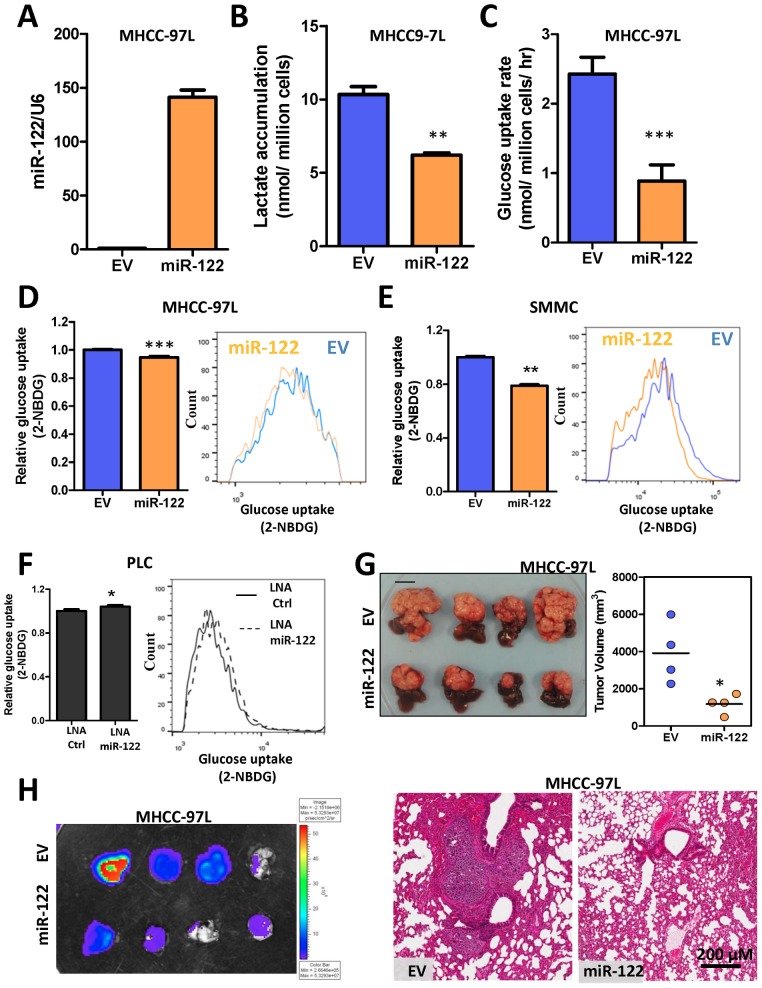
Figure 5. Re-expression of miR-122 suppressed HCC growth through modulating aerobic glycolysis.
(A) miR-122 expression in MHCC-97L cells stably expressing miR-122 precursors. MiR-122 expression was normalized to U6 expression and to empty vector (EV) control. (B) Lactate accumulation was reduced in miR-122 over-expressing MHCC-97L cells. (C) Glucose uptake rate was reduced in miR-122 over-expressing MHCC-97L cells. (D) Glucose uptake in MHCC-97L-EV and –miR-122 cells was confirmed with 2-NBDG staining. (E) Glucose uptake in SMMC-EV and –miR-122 cells was confirmed with 2-NBDG staining. (F) Glucose uptake in PLC/PRF/5 cells transfected with LNA-Ctrl and LNA-miR-122. (G) Left: Orthotopic tumors derived from MHCC-97L-EV and -miR-122 subclones. Right: Tumor volume was measured at the end of the experiment. (H) Bioluminescence (left) and H&E staining (right) in lung tissues from mice implanted with MHCC-97L-EV and –miR-122 subclones. *P<0.05, **P<0.01, *** P<0.001, Student’s t test or paired t test. Scale: 1 cm.

References

    1. Ferlay J, Shin HR, Bray F, Forman D, Mathers C, et al. (2010) Estimates of worldwide burden of cancer in 2008: GLOBOCAN 2008. Int J Cancer 127:2893–2917. - PubMed
    1. Warburg O (1956) On the origin of cancer cells. Science 123:309–314. - PubMed
    1. Vander Heiden MG, Cantley LC, Thompson CB (2009) Understanding the Warburg effect: the metabolic requirements of cell proliferation. Science 324:1029–1033. - PMC - PubMed
    1. Noguchi T, Yamada K, Inoue H, Matsuda T, Tanaka T (1987) The L- and R-type isozymes of rat pyruvate kinase are produced from a single gene by use of different promoters. J Biol Chem 262:14366–14371. - PubMed
    1. David CJ, Chen M, Assanah M, Canoll P, Manley JL (2010) HnRNP proteins controlled by c-Myc deregulate pyruvate kinase mRNA splicing in cancer. Nature 463:364–368. - PMC - PubMed

Publication types

MeSH terms