


New best1 mutations in autosomal recessive bestrophinopathy
- PMID: 25545482
- PMCID: PMC4425987
- DOI: 10.1097/IAE.0000000000000387
New best1 mutations in autosomal recessive bestrophinopathy
Abstract
Purpose: To report the ocular phenotype in patients with autosomal recessive bestrophinopathy and carriers, and to describe novel BEST1 mutations.
Methods: Patients with clinically suspected and subsequently genetically proven autosomal recessive bestrophinopathy underwent full ophthalmic examination and investigation with fundus autofluorescence imaging, spectral domain optical coherence tomography, electroretinography, and electrooculography. Mutation analysis of the BEST1 gene was performed through direct Sanger sequencing.
Results: Five affected patients from four families were identified. Mean age was 16 years (range, 6-42 years). All affected patients presented with reduced visual acuity and bilateral, hyperautofluorescent subretinal yellowish deposits within the posterior pole. Spectral domain optical coherence tomography demonstrated submacular fluid and subretinal vitelliform material in all patients. A cystoid maculopathy was seen in all but one patient. In 1 patient, the location of the vitelliform material was seen to change over a follow-up period of 3 years despite relatively stable vision. Visual acuity and fundus changes were unresponsive to topical and systemic carbonic anhydrase inhibitors and systemic steroids. Carriers had normal ocular examinations including normal fundus autofluorescence. Three novel mutations were detected.
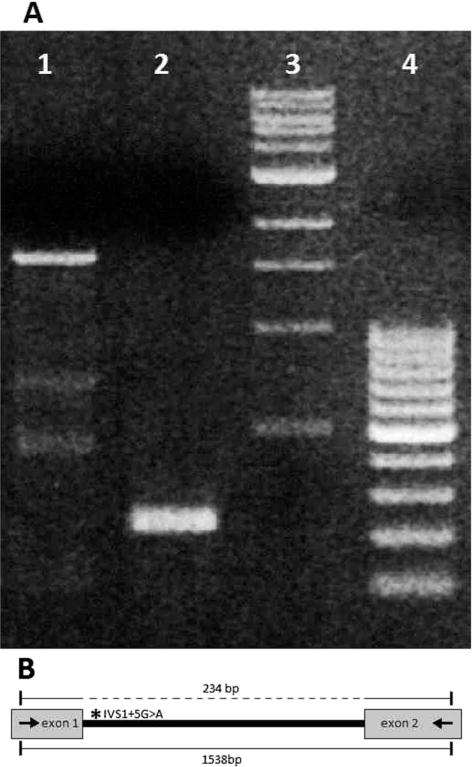
Conclusion: Three novel BEST1 mutations are described, suggesting that many deleterious variants in BEST1 resulting in haploinsufficiency are still unknown. Mutations causing autosomal recessive bestrophinopathy are mostly located outside of the exons that usually harbor vitelliform macular dystrophy-associated dominant mutations.
Conflict of interest statement
None of the authors have any financial/conflicting interests to disclose.
Figures


Comment in
-
Correspondence.Retina. 2015 Sep;35(9):e57-8. doi: 10.1097/IAE.0000000000000696. Retina. 2015. PMID: 26312452 No abstract available.
-
Reply: To PMID 25545482.Retina. 2015 Sep;35(9):e58. doi: 10.1097/IAE.0000000000000697. Retina. 2015. PMID: 26312453 Free PMC article. No abstract available.
References
-
- Pasquay C, Wang LF, Lorenz B, Preising MN. Bestrophin 1— phenotypes and functional aspects in bestrophinopathies. Ophthalmic Genet. 2013:1–20. - PubMed
-
- Schatz P, Klar J, Andreasson S, et al. Variant phenotype of Best vitelliform macular dystrophy associated with compound heterozygous mutations in VMD2. Ophthalmic Genet. 2006;27:51–56. - PubMed
Publication types
MeSH terms
Substances
Supplementary concepts
Grants and funding
LinkOut - more resources
Full Text Sources
Other Literature Sources
Medical
