Comparative analysis of transmittance for different types of commercially available zirconia and lithium disilicate materials
- PMID: 25551005
- PMCID: PMC4279043
- DOI: 10.4047/jap.2014.6.6.456
Comparative analysis of transmittance for different types of commercially available zirconia and lithium disilicate materials
Abstract
Purpose: Translucency and colour stability are two most important aspects for an aesthetic dental restoration. Glass ceramic restorations are popular amongst clinicians because of their superior aesthetic properties. In the last decade, zirconia has generated tremendous interest due to its favorable mechanical and biological properties. However, zirconia lacks the translucency that lithium disilicate materials possess and therefore has limitations in its use, especially in esthetically demanding situations. There has been a great thrust in research towards developing translucent zirconia materials for dental restorations. The objective of the study was to evaluate and compare the transmittance of a translucent variant of zirconia to lithium disilicate.
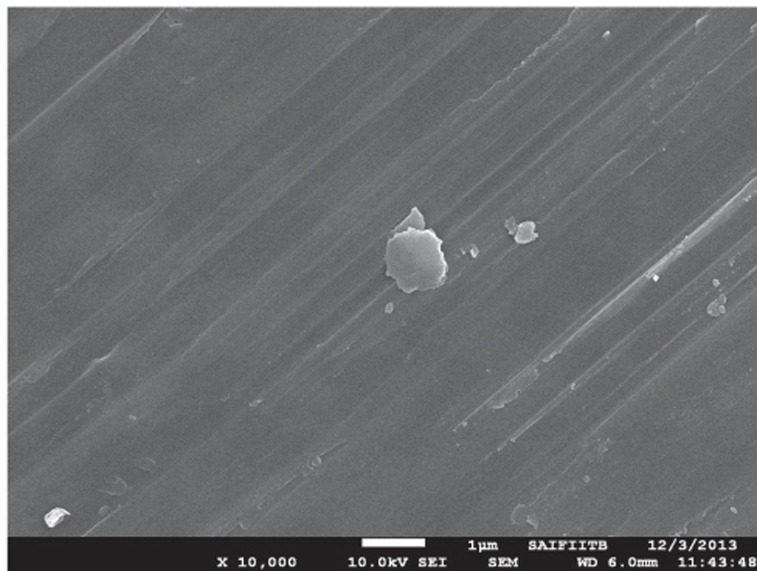
Materials and methods: Two commercially available zirconia materials (conventional and high translucency) and 2 lithium disilicate materials (conventional and high translucency) with standardized dimensions were fabricated. Transmittance values were measured for all samples followed by a microstructural analysis using a finite element scanning electron microscope. One way analysis of variance combined with a Tukey-post hoc test was used to analyze the data obtained (P=.05).
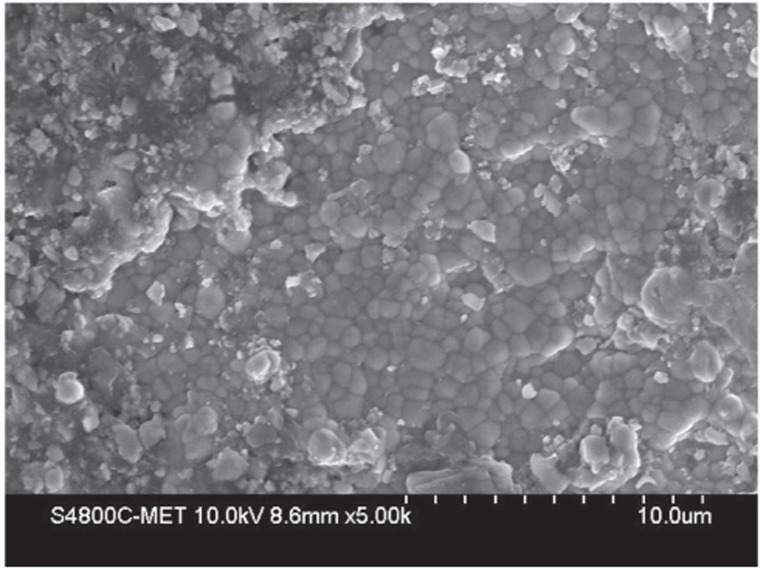
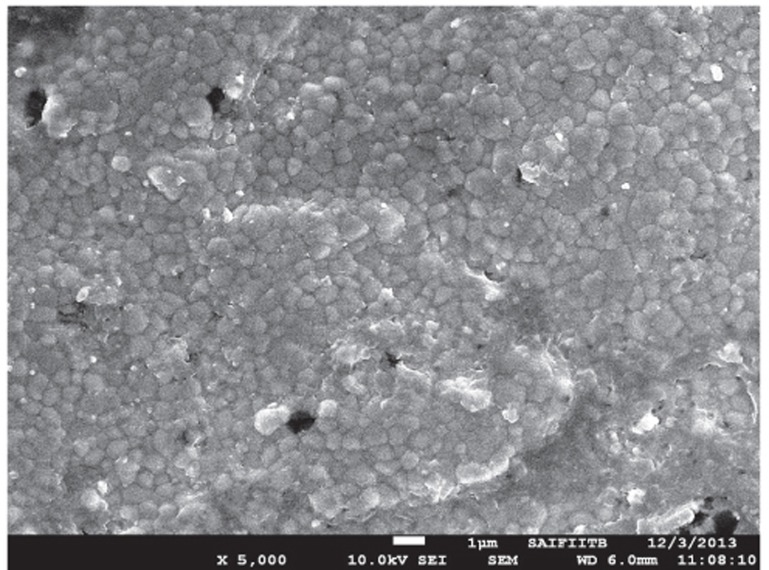
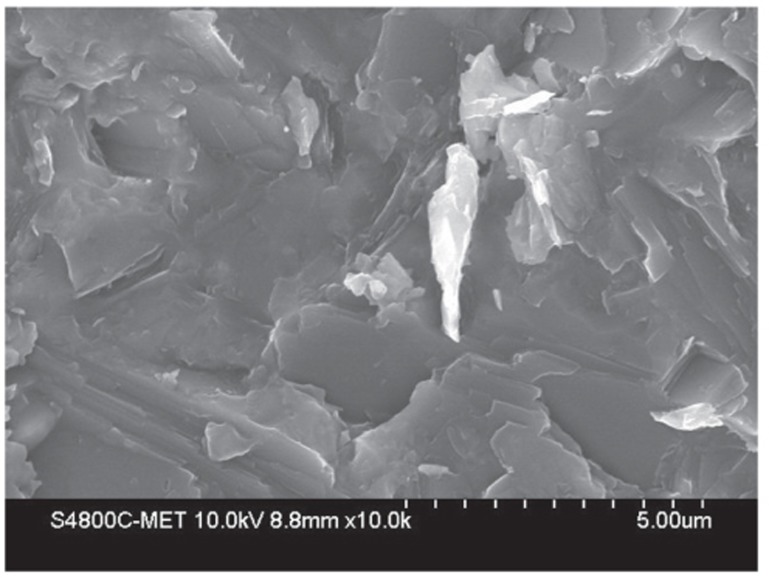
Results: High translucency lithium disilicate showed highest transmittance of all materials studied, followed by conventional lithium disilicate, high translucency zirconia and conventional zirconia. The difference between all groups of materials was statistically significant. The transmittance of the different materials correlated to their microstructure analysis.
Conclusion: Despite manufacturers' efforts to make zirconia significantly more translucent, the transmittance values of these materials still do not match conventional lithium disilicate. More research is required on zirconia towards making the material more translucent for its potential use as esthetic monolithic restoration.
Keywords: Aesthetics; Lithium disilicate; Translucency; Transmittance; Zirconia.
Figures


References
-
- Kelly JR, Benetti P. Ceramic materials in dentistry: historical evolution and current practice. Aust Dent J. 2011;56:84–96. - PubMed
-
- Durán P, Villegas M, Fernández JF, Capel F, Moure C. Theoretically dense and nanostructured ceramics by pressureless sintering of nanosized Y-TZP powders. Mater Sci Eng A. 1997;232:168–176.
-
- Chen YM, Smales RJ, Yip KH, Sung WJ. Translucency and biaxial flexural strength of four ceramic core materials. Dent Mater. 2008;24:1506–1511. - PubMed
-
- Tinschert J, Natt G, Mautsch W, Augthun M, Spiekermann H. Fracture resistance of lithium disilicate-, alumina-, and zirconia-based three-unit fixed partial dentures: a laboratory study. Int J Prosthodont. 2001;14:231–238. - PubMed
-
- Mizrahi B. The anterior all-ceramic crown: a rationale for the choice of ceramic and cement. Br Dent J. 2008;205:251–255. - PubMed
LinkOut - more resources
Full Text Sources
Other Literature Sources