. 2015 Jan 2;347(6217):83-6.
doi: 10.1126/science.1258857.

Aging. Lysosomal signaling molecules regulate longevity in Caenorhabditis elegans

Affiliations

Aging. Lysosomal signaling molecules regulate longevity in Caenorhabditis elegans

Andrew Folick et al. Science. .

Abstract

Lysosomes are crucial cellular organelles for human health that function in digestion and recycling of extracellular and intracellular macromolecules. We describe a signaling role for lysosomes that affects aging. In the worm Caenorhabditis elegans, the lysosomal acid lipase LIPL-4 triggered nuclear translocalization of a lysosomal lipid chaperone LBP-8, which promoted longevity by activating the nuclear hormone receptors NHR-49 and NHR-80. We used high-throughput metabolomic analysis to identify several lipids in which abundance was increased in worms constitutively overexpressing LIPL-4. Among them, oleoylethanolamide directly bound to LBP-8 and NHR-80 proteins, activated transcription of target genes of NHR-49 and NHR-80, and promoted longevity in C. elegans. These findings reveal a lysosome-to-nucleus signaling pathway that promotes longevity and suggest a function of lysosomes as signaling organelles in metazoans.


Figures

Figure 1
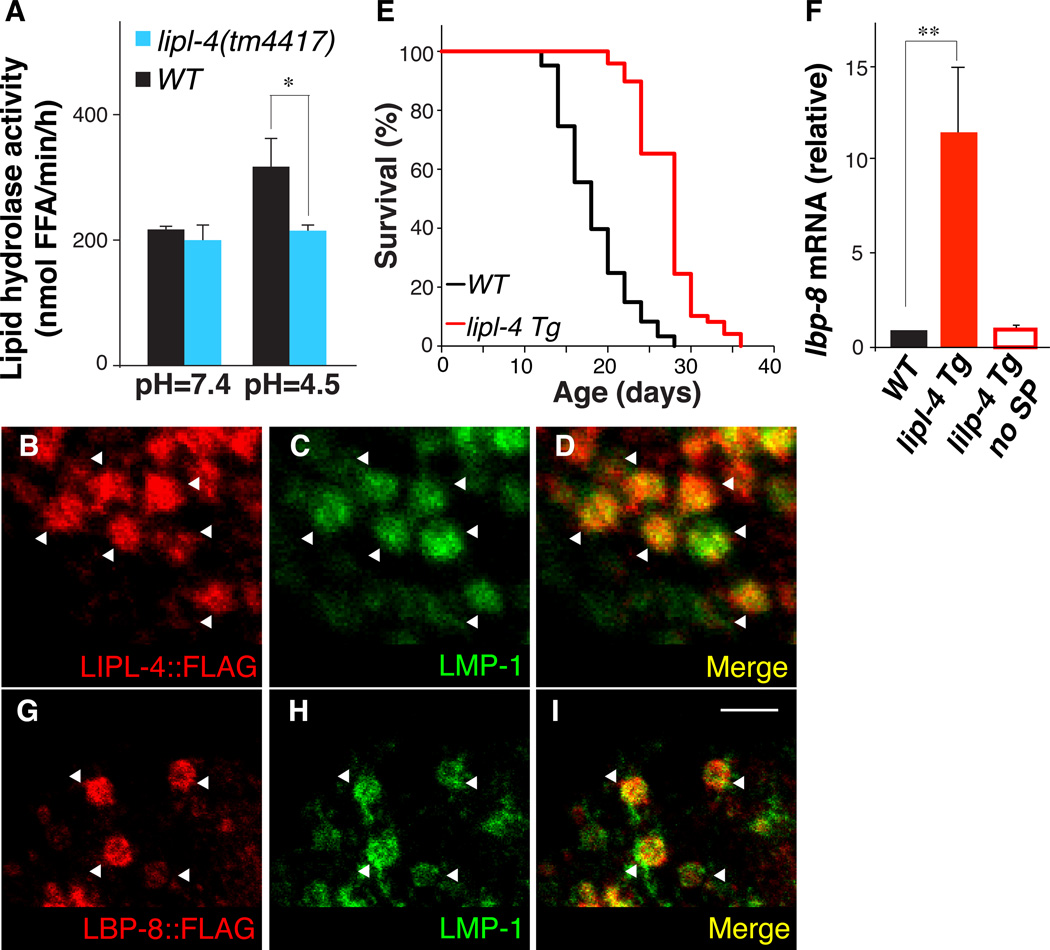
Figure 1. Lysosomal lipid chaperone is increased in long-lived worms
(A) The amount of free fatty acids (FFA) liberated from 3H-triolein is significantly decreased in the lipl-4(tm4417) loss-of-function mutant compared to wild-type (WT) at pH = 4.5 but not at pH = 7.4. *p<0.05, Student’s t-test. (B–D) Adult worms (raxEx20[ges-1p::lipl-4::3xFLAG]) were stained with anti-FLAG and anti-LMP-1 antibodies. LIPL-4 co-localizes with LMP-1, an established protein marker of lysosomes (18). Scale bar = 10 µm. (E) Mean lifespan is increased 55% in lipl-4 Tg worms (raxIs3[ges-1p::lipl-4::sl2gfp]) compared to WT, p<0.0001, Log-rank-test. (F) lbp-8 mRNA amounts were increased in lipl4 Tg compared to WT, but not in the transgenic strain over-expressing lipl-4 that lacks the signal peptide for lysosomal expression (lipl-4 Tg no SP). Error bars represent standard deviation (SD). **p<0.001, Student’s t-test. (G–I) Adult worms (raxEx31[lbp-8p::lbp-8::3xFLAG]) were stained with anti-FLAG and anti-LMP-1 antibodies. LBP-8 co-localizes with LMP-1 in intestinal lysosomes. Scale bar = 10 µm.
Figure 2
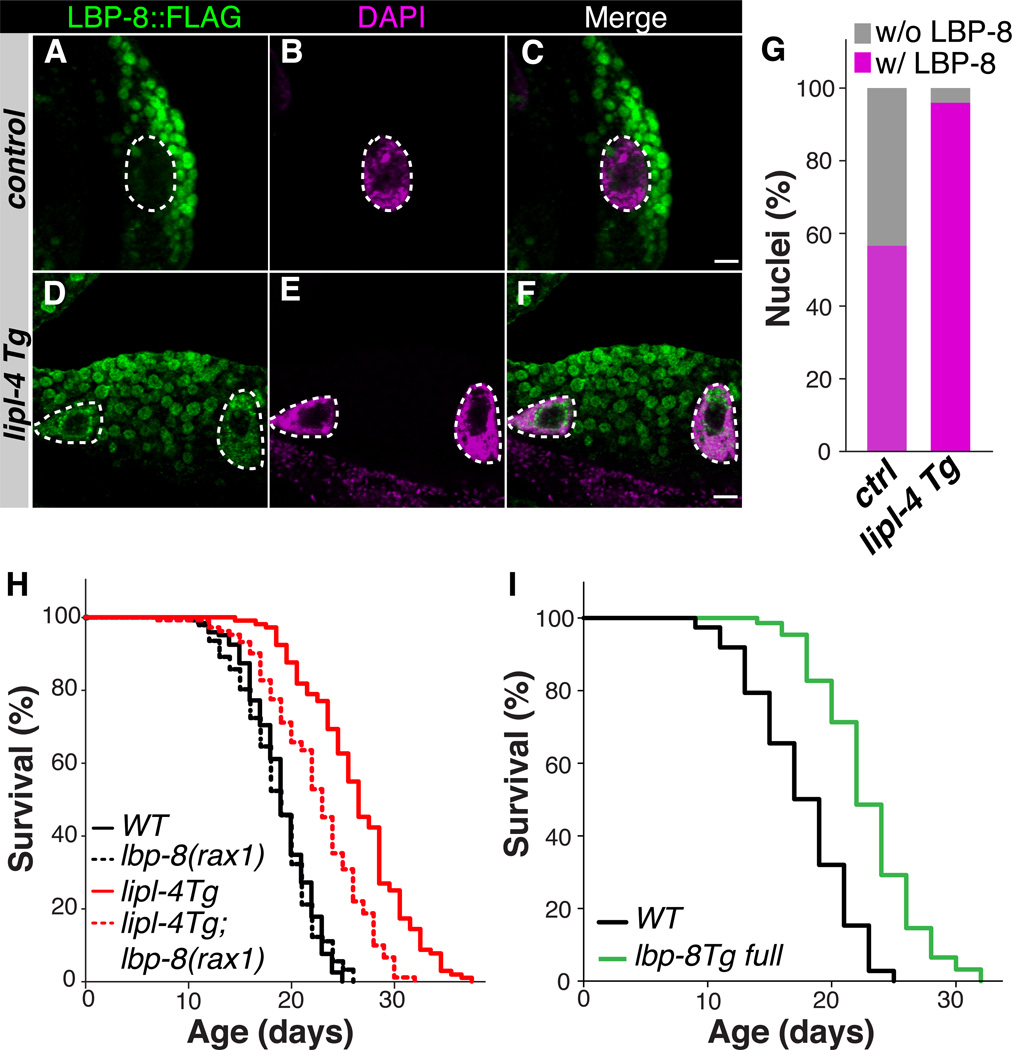
Figure 2. Lysosomal lipid chaperone promotes longevity
(A–F) Adult worms expressing LBP-8::3xFLAG were stained with anti-FLAG and 4',6-diamidino-2-phenylindole (DAPI). More LBP-8 nuclear staining in lipl-4 Tg versus control worms. Scale bar = 10 µm. (G) Quantification of the percentage of nuclei positive for LBP-8::3xFLAG staining. n=100. (H) The lbp-8(rax1) loss-of-function mutation reduces mean lifespan extension in lipl-4 Tg by 46% (p<0.0001), but has no effect on the lifespan of WT (p>0.05). Log-rank-test. (I) Mean lifespan is increased 30% in lbp-8 Tg (raxIs4[lbp-8p::lbp-8::sl2gfp]) compared to WT, p<0.0001, Log-rank-test.
Figure 3
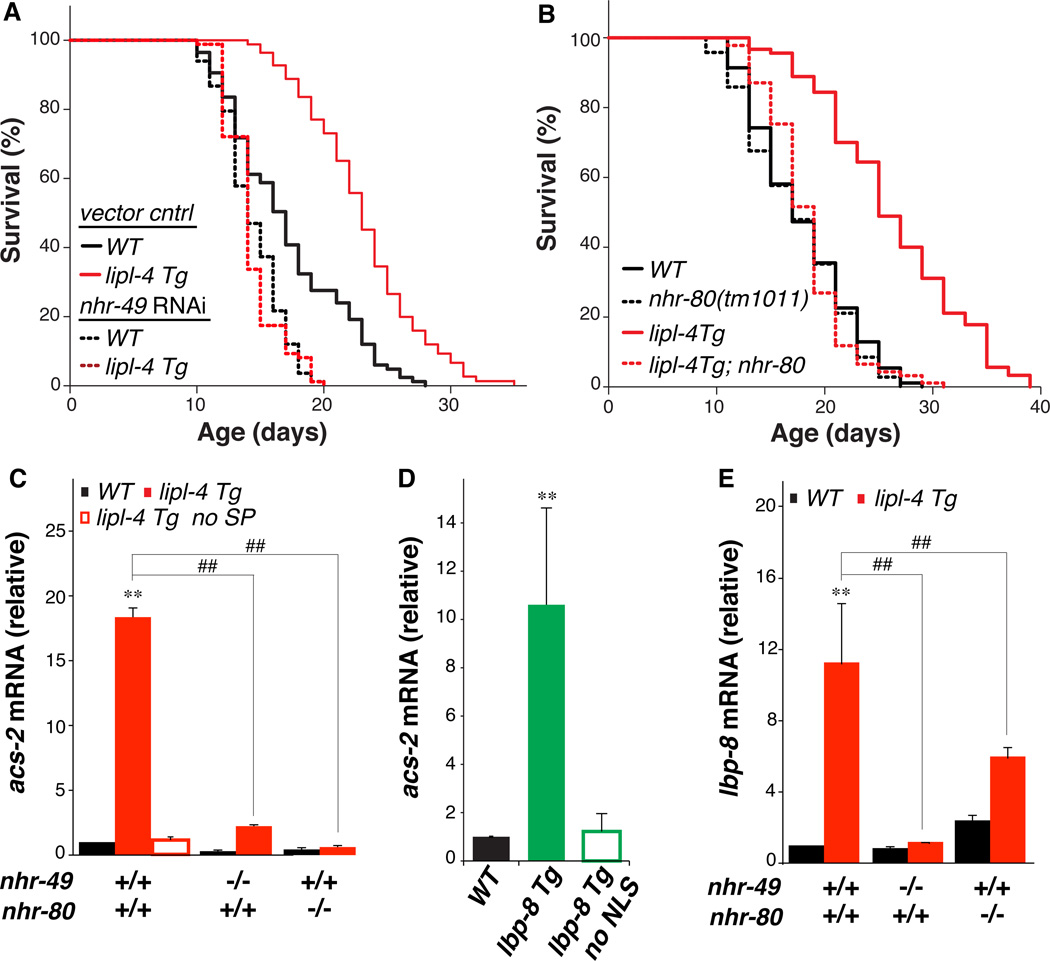
Figure 3. Nuclear receptors act in lysosomal longevity signaling
(A and B) With adult-only RNAi inactivation of nhr-49 or with the nhr-80(tm1011) loss-of-function mutation, the mean lifespan of lipl-4 Tg and WT are not significantly different, p>0.5, Log-rank-test. (C) Increased mRNA amount of NHR-49 target gene acs-2 is suppressed by the nhr-49(nr2041) or nhr-80(tm1011) loss-of-function mutation in lipl-4 Tg, and is absent in lipl-4 Tg no SP. (D) acs-2 mRNA amount is increased in lbp-8 Tg, but not in the transgenic strain expressing lbp-8 without the N-terminal NLS (lbp-8 Tg no NLS). (E) Increased mRNA amount of lbp-8 in lipl-4 Tg is suppressed by the nhr-49(nr2041) or nhr-80(tm1011) mutant. Error bars represent SD. **p<0.01 by Student’s t-test; ##p<0.01 by two-way ANOVA.
Figure 4
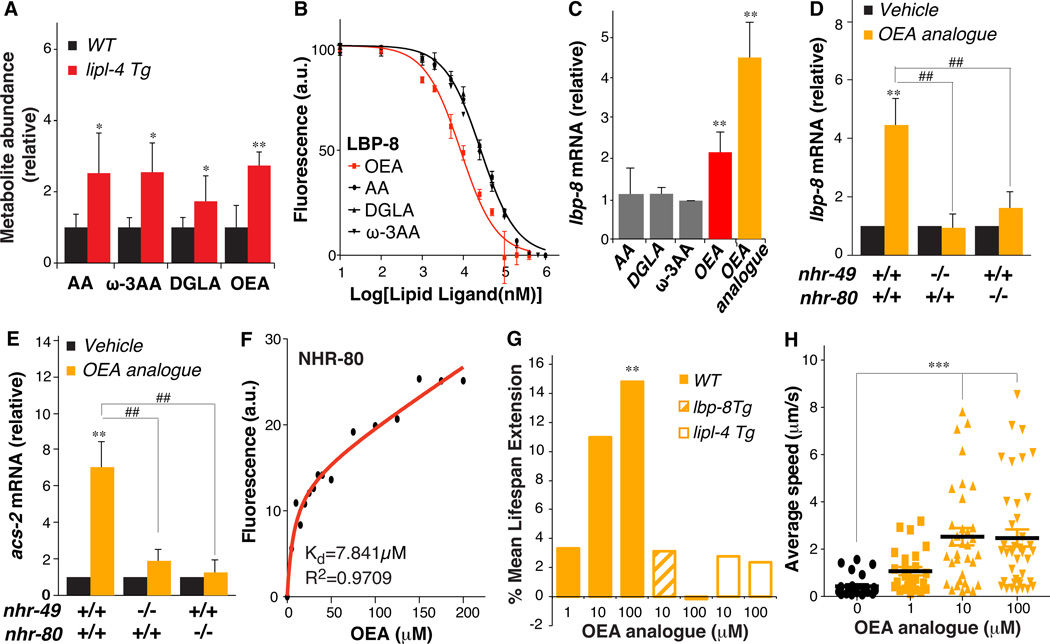
Figure 4. OEA activates nuclear receptors and promotes longevity
(A) Increased levels of arachidonic acid (AA), ω-3 arachidonic acid (ω-3 AA), dihomo-γ-linoleic acid (DGLA), and oleoylethanolamide (OEA) in lipl-4 Tg compared to WT, *p<0.05; **p<0.001, Welch’s t-test. (B) Decreased fluorescence derived from binding of 1-anilinonaphthalene-8-sulfonic acid (1,8-ANS) to LBP-8 by increasing OEA, AA, DGLA, and ω-3 AA competition. OEA has 3-fold higher binding affinity than the other lipids. (C) lbp-8 mRNA amounts are increased in WT supplemented with OEA or OEA analogue, but not AA, DGLA or ω-3 AA, **p<0.01, Student’s t-test. (D and E) mRNA amounts of lbp-8 and acs-2 are increased by OEA analogue supplementation in WT, but not in the nhr-49(nr2041) or nhr-80(tm1011) mutant. **p<0.01, Student’s t-test. ##p<0.01, two-way ANOVA. (F) The intrinsic fluorescence intensity of GST-NHR-80 fusion proteins is decreased with increasing concentration of OEA (dissociation constant (Kd) of the binding reaction, 7.841 ± 4.065µM). (G) Supplementation of OEA analogue increases mean lifespan in WT, but not in lipl-4 Tg or lbp-8 Tg. **p<0.01, Log-rank-test. (H) Mean locomotion velocity is increased in WT treated with OEA analogue at age day 18. ***p<0.0001, Student’s t-test. Error bars represent SD.

Comment in

References

    1. Settembre C, Fraldi A, Medina DL, Ballabio A. Nature Rev. Mol. Cell Biol. 2013;14:283–296. - PMC - PubMed
    1. Patrick AD, Lake BD. Nature. 1969;222:1067–1068. - PubMed
    1. Wang MC, O'Rourke EJ, Ruvkun G. Science. 2008;322:957–960. - PMC - PubMed
    1. Furuhashi M, Hotamisligil GS. Nature Rev. Drug Discovery. 2008;7:489–503. - PMC - PubMed
    1. Storch J, Corsico B. Annu. Rev. Nutr. 2008;28:73–95. - PubMed

Publication types

MeSH terms