


Dance/movement therapy for improving psychological and physical outcomes in cancer patients
- PMID: 25565627
- PMCID: PMC7204197
- DOI: 10.1002/14651858.CD007103.pub3
Dance/movement therapy for improving psychological and physical outcomes in cancer patients
Abstract
Background: Current cancer care increasingly incorporates psychosocial interventions. Cancer patients use dance/movement therapy to learn to accept and reconnect with their bodies, build new self-confidence, enhance self-expression, address feelings of isolation, depression, anger and fear and to strengthen personal resources.
Objectives: To update the previously published review that examined the effects of dance/movement therapy and standard care versus standard care alone or standard care and other interventions on psychological and physical outcomes in patients with cancer.
Search methods: We searched the Cochrane Central Register of Controlled Trials (CENTRAL) (The Cochrane Library 2014, Issue 6), MEDLINE (OvidSP, 1950 to June week 4, 2014), EMBASE (OvidSP, 1980 to 2014 week 26), CINAHL (EBSCOhost, 1982 to July 15 2014), PsycINFO (EBSCOhost, 1806 to July 15 2014), LILACS (Virual Health Library, 1982 to July 15 2014), Science Citation Index (ISI, 1974 to July 15 2014), CancerLit (1983 to 2003), International Bibliography of Theatre and Dance (1989 to July 15 2014), the National Research Register (2000 to September 2007), Proquest Digital Dissertations, ClinicalTrials.gov, and Current Controlled Trials (all to July 15 2014). We handsearched dance/movement therapy and related topics journals, reviewed reference lists and contacted experts. There was no language restriction.
Selection criteria: We included all randomized and quasi-randomized controlled trials of dance/movement therapy interventions for improving psychological and physical outcomes in patients with cancer. We considered studies only if dance/movement therapy was provided by a formally trained dance/movement therapist or by trainees in a formal dance/movement therapy program.
Data collection and analysis: Two review authors independently extracted the data and assessed the methodological quality, seeking additional information from the trial researchers when necessary. Results were presented using standardized mean differences.
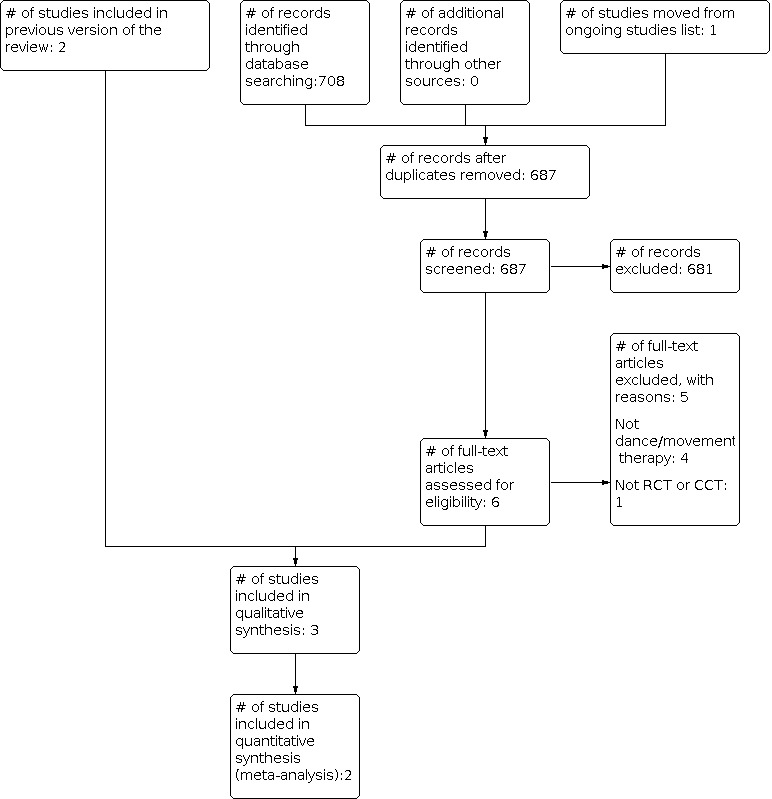
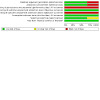
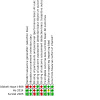
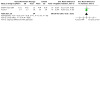
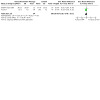
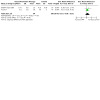
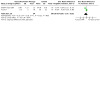
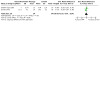
Main results: We identified one new trial for inclusion in this update. In total, the evidence for this review rests on three studies with a total of 207 participants.We found no evidence for an effect of dance/movement therapy on depression (standardized mean difference (SMD) = 0.02, 95% confidence interval (CI) -0.28 to 0.32, P = 0.89, I2 = 0%) (two studies, N = 170), stress (SMD = -0.18, 95% CI -0.48 to 0.12, P = 0.24, I2 = 0%) (two studies, N = 170), anxiety (SMD = 0.21, 95% CI -0.09 to 0.51 P = 0.18, I2 = 0%) (two studies, N = 170), fatigue (SMD = -0.36, 95% -1.26 to 0.55, P = 0.44, I² = 80%) (two studies, N = 170) and body image (SMD = -0.13, 95% CI -0.61 to 0.34, P = 0.58, I2 = 0%) (two studies, N = 68) in women with breast cancer. The data of one study with moderate risk of bias suggested that dance/movement therapy had a large beneficial effect on 37 participants' quality of life (QoL) (SMD = 0.89, 95% CI 0.21 to 1.57). One study with a high risk of bias reported greater improvements in vigor and greater reduction in somatization in the dance/movement therapy group compared to a standard care control group (N = 31). The individual studies did not find support for an effect of dance/movement therapy on mood, mental health, and pain. It is unclear whether this was due to ineffectiveness of the treatment, inappropriate outcome measures or limited power of the trials. Finally, the results of one study did not find evidence for an effect of dance/movement therapy on shoulder range of motion (ROM) or arm circumference in 37 women who underwent a lumpectomy or breast surgery. However, this was likely due to large within-group variability for shoulder ROM and a limited number of participants with lymphedema.Two studies presented moderate risk of bias and one study high risk of bias. Therefore, overall, the quality of the evidence is very low.
Authors' conclusions: We did not find support for an effect of dance/movement therapy on depression, stress, anxiety, fatigue and body image . The findings of individual studies suggest that dance/movement therapy may have a beneficial effect on QoL, somatization, and vigor. However, the limited number of studies prevents us from drawing conclusions concerning the effects of dance/movement therapy on psychological and physical outcomes in cancer patients.
Conflict of interest statement
Two authors (Goodill and Shim) are dance/movement therapists.
Figures
Update of
-
Dance/movement therapy for improving psychological and physical outcomes in cancer patients.Cochrane Database Syst Rev. 2011 Oct 5;(10):CD007103. doi: 10.1002/14651858.CD007103.pub2. Cochrane Database Syst Rev. 2011. Update in: Cochrane Database Syst Rev. 2015 Jan 07;1:CD007103. doi: 10.1002/14651858.CD007103.pub3. PMID: 21975762 Updated.
References
References to studies included in this review
Dibbell‐Hope 1989 {published and unpublished data}
-
- Dibbell-Hope S. Moving toward health: A study of the use of dance-movement therapy in the psychological adaptation to breast cancer. Doctoral Dissertation, California School of Professional Psychology, US 1989. [303682073]
-
- Dibbell-Hope S. The use of dance/movement therapy in psychological adaptation to breast cancer. Arts in Psychotherapy 2000;27(1):51-68. [DOI: 10.1016/S0197-4556(99)00032-5 ]
Ho 2014 {unpublished data only}
-
- Ho R. Randomized controlled trial of a dance/movement therapy program for breast cancer patients undergoing adjuvant radiotherapy: Effects on fatigue, pain and perceived stress. Personal communication with lead investigator.
-
- Ho RTH, Cheung IKM, Leung ASL, Chan KP, Lo PHY, Chan CLW, et al. Dance/movement-based psychotherapy program: Its effect and impact on reducing radiotherapy-related symptoms and improving the quality of life in Chinese breast cancer patients. The 47th Annual Conference of the American Dance Therapy Association (ADTA), Albuquerque, NM., 11-14 October 2012. In: American Journal of Dance Therapy. Vol. 35. 2013:33-4.
-
- Ho RTH, Fong T. Effects of dance/movement therapy on the psychological distress in breast cancer patients undergoing radiotherapy. Abstracts from the 2013 48th Annual American Dance Therapy Association Research and Thesis Poster Session. In: American Journal of Dance Therapy. Vol. 36. 2014:54-5.
Sandel 2005 {published data only}
-
- Sandel SL, Judge JO, Landry N, Faria L, Ouellette R, Majczak M. Dance and movement program improves quality-of-life measures in breast cancer survivors. Cancer Nursing 2005;28(4):301-9. [MEDLINE: ] - PubMed
References to studies excluded from this review
Chiquiar 1988 {published data only}
-
- Chiquiar M. Cancer: Working through anger and pain with authentic movement and entertainment and music. In: Presentation at the 23rd National Conference of American Dance Therapy Association. Baltimore, MD: American Dance Therapy Association, 1988.
Choi 2003 {unpublished data only}
-
- Choi H. Dance therapy for children who have bone marrow transplant. Master's Thesis, Pratt Institute, US 2003.
Crane‐Okada 2012 {published data only}
-
- Crane-Okada R, Kiger H, Sugerman F, Uman GC, Shapiro SL, Wyman-McGinty W, et al. Mindful movement program for older breast cancer survivors: A pilot study. Cancer Nursing 2012;35(4):E1-13. - PubMed
Goldov 2011 {unpublished data only}
-
- Goldov N. The effect of medical dance/movement therapy on body image wellness in women with breast cancer. Doctoral Dissertation, Argosy University, Seattle,US 2011.
Ho 2005a {published data only}
-
- Ho RTH. Dance movement therapy for Chinese cancer patients: A pilot group in Hong Kong. In: American Journal of Dance Therapy. Vol. 27. 2005:27. [DOI: 10.1007/s10465-005-6090-8] - DOI
Ho 2005b {published data only}
-
- Ho RTH. Regaining balance within: Dance movement therapy with Chinese cancer patients in Hong Kong. In: American Journal of Dance Therapy. Vol. 27. 2005:87-99. [DOI: 10.1007/s10465-005-9002-z]
Ho 2007 {published data only}
-
- Ho RTH. Differential benefits of dance and dance/movement therapy for cancer patients. In: American Journal of Dance Therapy. Vol. 29. 2007:31-2. [DOI: 10.1007/s10465-007-9030-y] - DOI
Ho 2008 {published data only}
-
- Ho RTH. Dance/movement therapy improves mental health in cancer patients. In: American Journal of Dance Therapy. Vol. 30. 2008:41-2. [DOI: 10.1007/s10465-008-9046-y] - DOI
Kaltsatouemail 2011 {published data only}
-
- Kaltsatouemail A, Mameletzi D, Douka S. Physical and psychological benefits of a 24-week traditional dance program in breast cancer survivors. Journal of Bodywork and Movement Therapies 2011;15(2):162-7. - PubMed
Kanitz 2013 {published data only}
-
- Kanitz JL, Pretzer K, Calaminus G, Wiener A, Langler A, Henze G, et al. Eurythmy therapy in the aftercare of pediatric posterior fossa tumour survivors: A pilot study. Complementary Therapies in Medicine 2013;21(Suppl 1):S3-9. - PubMed
Mannheim 2005 {published data only}
-
- Mannheim EG, Weis J. Dance therapy with cancer patients: Results of a pilot study. Musik, Tanz, und Kunsttherapie 2005;16(3):121-8.
Mannheim 2013 {published data only}
-
- Mannheim EG, Helmes A, Weis J. Dance/movement therapy in oncological rehabilitation. Forsch Komplementmed 2013;20(1):33-41. - PubMed
Moskow 1996 {unpublished data only}
-
- Moskow J. Dance therapy as an intervention in breast cancer patients. Master's Thesis. Hunter College, US 1996.
Perry‐Griffin 1989 {unpublished data only}
-
- Perry-Griffin K. Dance/movement therapy and the effects on body image with women who have had a mastectomy. Master's Thesis. Goucher College, US 1989.
Pilarski 2008 {unpublished data only}
-
- Pilarski D. The experience of young women diagnosed with breast cancer involved in dance/movement therapy with regards to body image and sexuality. Master's Thesis. Drexel University. US 2008.
Schröder 2007 {published data only}
-
- Schröder A. Dance therapy for women with breast cancer [Tanztherapie für Mammakarzinom-Patientinnen]. Diagnostik + Therapie 2007;48:2-6.
Serlin 1997 {published data only}
-
- Serlin IA, Frances B, Vestevich K, Bailey T, Lavaysse L. The effect of dance/movement therapy on women with breast cancer. Alternative Therapies in Health and Medicine 1997;3:103.
Shin 2009 {unpublished data only}
-
- Shin S. The effect of dance/movement therapy on the body image and depression of the women with breast cancer. Master’s Thesis. Seoul Women’s University, Korea 2009.
Sturm 2014 {published data only}
-
- Sturm I, Baak J, Storek B, Traore A, Thuss-Patience P. Effect of dance on cancer-related fatigue and quality of life. Supportive Care in Cancer 2014;22(8):2197-206. - PubMed
Yuval 1995 {unpublished data only}
-
- Yuval M. Dance movement therapy with pediatric oncology patients. Master's Thesis. Hunter College. US 1995.
References to studies awaiting assessment
Additional references
ADTA
-
- ADTA. American Dance Therapy Association website. http://www.adta.org/.
Berrol 1997
-
- Berrol CF, Ooi WL, Katz SS. Dance/movement therapy with older adults who have sustained a neurological insult: a demonstration project. American Journal of Dance Therapy 1997;19(2):135-60.
Bojner Horwitz 2006
-
- Bojner Horwitz E, Kowalski J, Theorell T, Anderberg UM. Dance/movement therapy in fibromyalgia patients: Changes in self-figure drawings and their relation to verbal self-rating scales. The Arts in Psychotherapy 2006;33(1):11-25.
Borscheid 1972
-
- Borscheid E, Walster E, Bohrnstedt G. Body image scale. Psychology Today 1972;6:58-64.
Brady 1997
-
- Brady MJ, Cella DF, Mo F. Reliability and validity of the functional assessment of cancer therapy–breast quality-of- life instrument. Journal of Clinical Oncology 1997;15:974-86. - PubMed
Bräuninger 2012
-
- Bräuninger I. The efficacy of dance movement therapy group on improvement of quality of life: A randomized controlled trial. The Arts in Psychotherapy 2012;39:296-303.
Cassileth 1994
-
- Cassileth B, Jonas W, Cassidy CM. Research methodologies. In: Berman BM, Larson DB, editors(s). Alternative Medicine: Expanding Medical Horizons: A Report to the NIH on Alternative Medical Systems and Practices in the US, Prepared under the auspices of the Workshop on Alternative Medicine. Washington, D.C.: Government Printing Office, National Institutes of Health, 1994:289-98.
Cohen 1988
-
- Cohen J. Statistical Power Analysis for the Behavioral Sciences. 2nd edition. Hillsdale, NJ: Lawrence Earlbaum Associates, 1988.
Crowne 1960
-
- Crowne DP, Marlowe D. A new scale of social desirability independent of psychopathology. Journal of Consulting Psychology 1960;24:349-54. - PubMed
Deeks 2001
-
- Deeks JJ, Altman DG, Bradburn MJ. Statistical methods for examining heterogeneity and combining results from several studies in meta-analysis. In: Egger M, Davey Smith G, Altman DG, editors(s). Systematic Reviews in Health Care: Meta-Analysis in Context. 2nd edition. London: BMJ Publication Group, 2001.
Derogatis 1979
-
- Derogatis LR. Breast and gynecologic cancers. Their unique impact on body image and sexual identity in women. Frontiers of Radiation Therapy in Oncology 1979;14:1-11. - PubMed
Dibbell‐Hope 2000
-
- Dibbell-Hope S. The use of dance/movement therapy in psychological adaptation to breast cancer. The Arts in Psychotherapy 2000;27(1):51-68.
Duivenvoorden 1997
-
- Duivenvoorden HJ. Psychological sequelae of cancer diagnosis: A meta-analytical review of 58 studies. Psychosomatic Medicine 1997;59:280-93. - PubMed
Erhardt 1989
-
- Erhardt BT, Hearn MB, Novack C. Clients' attitudes towards healing processes in dance therapy. American Journal of Dance Therapy 1989;11:39-60.
Goodill 2005
-
- Goodill SW. Research Letter: Dance/movement therapy for adults with cystic fibrosis: Pilot data on mood and adherence. Alternative Therapies in Health & Medicine 2005;11(1):76-7. - PubMed
Goodill 2006
-
- Goodill SW. Dance/movement therapy for people living with medical illness. In: Koch SC, Brauninger I, editors(s). Advances in Dance/Movement Therapy. Theoretical Perspectives and Empirical Findings. Berlin: Logos Verlag, 2006:52-60.
Higgins 2002
-
- Higgins JPT, Thompson SG. Quantifying heterogeneity in a meta-analysis. Statistics in Medicine 2002;21:1539-58. - PubMed
Higgins 2011
-
- Higgins JPT, Green S (editors). Cochrane Handbook for Systematic Reviews of Interventions 5.1.0 [updated March 2011]. Available from www.cochrane-handbook.org.
Hopwood 2001
-
- Hopwood P, Fletcher I, Lee A. A body image scale for use with cancer patients. European Journal of Cancer 2001;37:189-97. - PubMed
Jeong 2005
-
- Jeong YL, Hong SC, Lee MS, Park MC, Kim YK, Suh CM. Dance movement therapy improves emotional responses and modulates neurohormones in adolescents with mild depression. International Journal of Neuroscience 2005;115(12):1711-20. - PubMed
Kiepe 2012
-
- Kiepe MS, Stockigt B, Keil T. Effects of dance therapy and ballroom dances on physical and mental illnesses: A systematic review. The Arts in Psychotherapy 2012;39(5):404-11.
Kleinman 2006
-
- Kleinman S, Hall T. Dance/movement therapy: A method for embodying emotions. In: Davis W, Kleinman S, editors(s). The Renfrew Center Foundation Healing Through Relationship Series: Contributions to Eating Disorder Theory and Treatment. Fostering Body-Mind Integration. Philadelphia, PA: The Renfrew Center Foundation, 2006.
Koch 2007
-
- Koch SC, Morlinghaus K, Fuchs T. The joy dance. Specific effect of a single dance intervention on psychiatric patiens with depression. The Arts in Psychotherapy 2007;34:340-9.
Koch 2014
-
- Koch SC, Kunz T, Kolter A, Lykou S, Cruz R. Effects of dance movement therapy and dance on psychological outcomes: A meta-analysis. The Arts in Psychotherapy 2014;41:46-64.
Krantz 2007
-
- Krantz A, Pennebaker JW. Expressive dance, writing, trauma, and health: When words have a body. In: Serlin IA Sonke-Henderson J, Brandman R, Graham-Pole J, editors(s). Whole Person Healthcare. Vol. 3. Westport, CT: Praeger Publishers, 2007:201-29.
Lev 2009
-
- Lev EL, Eller LS, Gejerman G, Kolassa J, Colella J, Pezzino J, et al. Quality of life of men treated for localized prostate cancer: outcomes at 6 and 12 months. Support Care Cancer 2009;17(5):509-17. - PubMed
Mannheim 2006
-
- Mannheim E, Weis J. Dance/movement therapy with cancer patients. Evaluation of process and outcome parameters. In: Koch SC, Brauninger I, editors(s). Advances in Dance/Movement Therapy. Theoretical Perspectives and Empirical Findings. Berlin: Logos Verlag, 2006:61-72.
Massie 2004
-
- Massie MJ. Prevalence of depression in patients with cancer. Journal of the National Cancer Institute. Monographs 2004;32:57-71. - PubMed
McKibben 1988
-
- McKibben H. Dance-movement therapy with the medical population. In: Presentation at the 23rd National Conference of ADTA. Baltimore, MD, 1988.
McNair 1971
-
- McNair PM, Lorr M, Droppleman L. EITS manual for the profile of mood states. San Diego: Educational and Industrial Testing Services, 1971.
Meekums 2010
-
- Meekums B. Moving towards evidence for dance movement therapy: Robin Hood in dialogue with the King. The Arts in Psychotherapy 2010;37(1):35-41.
Norton 2004
-
- Norton TR, Manne SL, Rubin S, Carlson J, Hernandez E, Edelson MI, et al. Prevalence and predictors of psychological distress among women with ovarian cancer. Journal of Clinical Oncology 2004;22(5):919-26. - PubMed
Parle 1996
-
- Parle M, Jones B, Maguire P. Maladaptive coping and affective disorders among cancer patients. Psychological Medicine 1996;26:735-44. - PubMed
Porter 2008
Raison 2003
-
- Raison CL, Miller AH. Depression in cancer: New developments regarding diagnosis and treatment. Biological Psychiatry 2003;54:283-94. - PubMed
Revman 5.3
-
- Review Manager (RevMan) [Computer program]. Version 5.3. Copenhagen. The Nordic Cochrane Centre, The Cochrane Collaboration, 2014.
Rottman 2010
-
- Rottmann N, Dalton SO, Christensen J, Frederiksen K, Johansen C. Self-efficacy, adjustment style and well-being in breast cancer patients: a longitudinal study. Quality of Life Research 2010;19(6):827-36. - PubMed
Sellick 1999
-
- Sellick SM, Crooks DL. Depression and cancer: An appraisal of the literature for prevalence, detection, and practice guideline development for psychological interventions. Psycho-Oncology 1999;8:315-33. - PubMed
Shim 2014
-
- Shim M. The use of creative arts therapies for chronic pain management: embodied interventions. In: Presentation at the 33rd Scientific Meeting of the American Pain Society. Tampa, FL, 2014.
Stromsted 2001
-
- Stromsted T. Re-inhabiting the female body: Authentic Movement as a gateway to transformation. The Arts in Psychotherapy 2001;28:39-55.
Ware 1994
-
- Ware J. SF-36 Physical and Mental Health Summary Scales: A Users’ Manual. Boston: The Health Institute, 1994.
References to other published versions of this review
Publication types
MeSH terms
LinkOut - more resources
Full Text Sources
Medical
Miscellaneous
