


Managing dyslipidemia in HIV/AIDS patients: challenges and solutions
- PMID: 25565897
- PMCID: PMC4274137
- DOI: 10.2147/HIV.S46028
Managing dyslipidemia in HIV/AIDS patients: challenges and solutions
Abstract
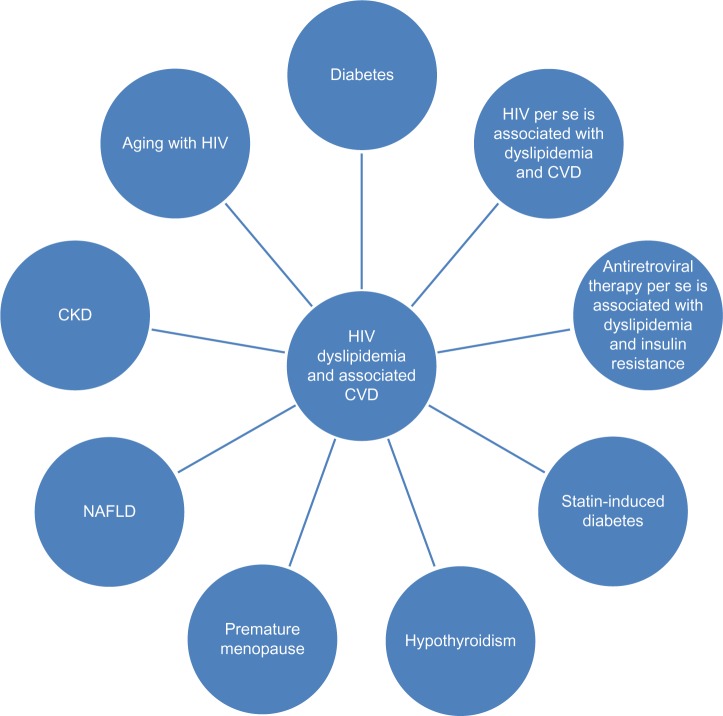
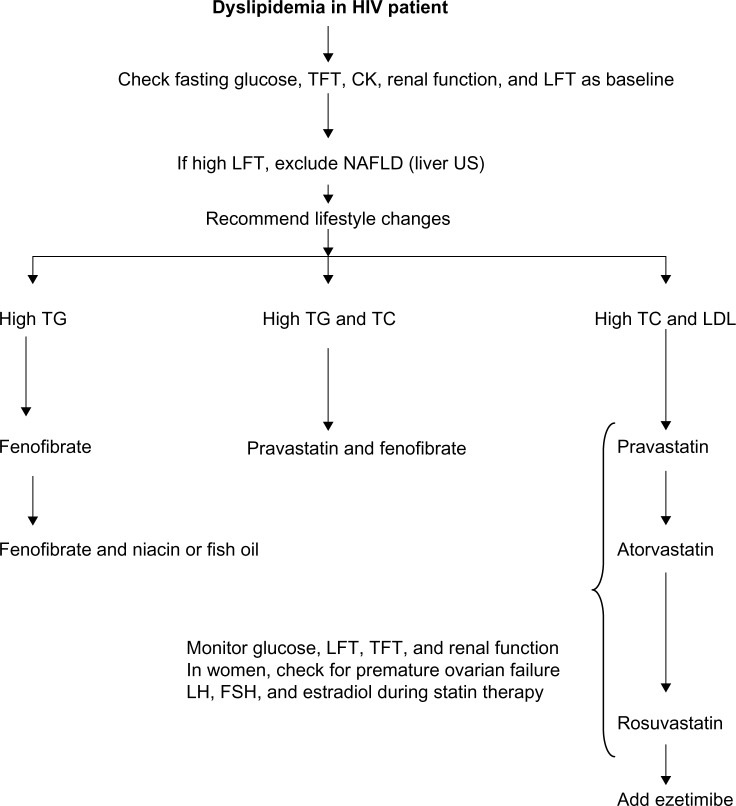
Human immunodeficiency virus (HIV) is a chronic disease associated with dyslipidemia and insulin resistance. In addition, the administration of combination antiretroviral therapy is associated with an increase in the incidence of metabolic risk factors (insulin resistance, lipoatrophy, dyslipidemia, and abnormalities of fat distribution in HIV patients). HIV dyslipidemia is a common problem, and associated with an increase in incidence of cardiovascular disease. Further challenges in the management of HIV dyslipidemia are the presence of diabetes and metabolic syndrome, nonalcoholic fatty liver disease, hypothyroidism, chronic kidney disease, the risk of diabetes associated with statin administration, age and ethnicity, and early menopause in females. Dyslipidemia in patients with HIV is different from the normal population, due to the fact that HIV increases insulin resistance and HIV treatment not only may induce dyslipidemia but also may interact with lipid-lowering medication. The use of all statins (apart from simvastatin and lovastatin) is safe and effective in HIV dyslipidemia, and the addition of ezetimibe, fenofibrate, fish oil, and niacin can be used in statin-unresponsive HIV dyslipidemia. The management of dyslipidemia and cardiovascular disease risks associated with HIV is complex, and a certain number of patients may require management in specialist clinics run by specialist physicians in lipid disorders. Future research is needed to address best strategies in the management of hyperlipidemia with HIV infection.
Keywords: HIV; cardiovascular disease; dylipidaemia; fatty liver; insulin resistance; lipid lowering medication.
Figures
References
-
- Bittar R, Giral P, Aslangul E, et al. Determinants of low-density lipoprotein particle diameter during antiretroviral therapy including protease inhibitors in HIV-1-infected patients. Antivir Ther. 2012;17(5):855–860. - PubMed
-
- Grinspoon S, Carr A. Cardiovascular risk and body-fat abnormalities in HIV-infected adults. N Engl J Med. 2005;352(1):48–62. - PubMed
-
- Lo J, Grinspoon S. Cardiovascular disease in HIV-infected patients: does HIV infection in and of itself increase cardiovascular risk? Curr Opin HIV AIDS. 2008;3(3):207–213. - PubMed
-
- Dubé MP, Parker RA, Tebas P, et al. Glucose metabolism, lipid, and body fat changes in antiretroviral-naive subjects randomized to nelfinavir or efavirenz plus dual nucleosides. AIDS. 2005;19(16):1807–1818. - PubMed
-
- Mothe B, Perez I, Domingo P, et al. HIV-1 infection in subjects older than 70: a multicenter cross-sectional assessment in Catalonia, Spain. Curr HIV Res. 2009;7(6):597–600. - PubMed
Publication types
LinkOut - more resources
Full Text Sources
Other Literature Sources
