Kingella kingae: carriage, transmission, and disease
- PMID: 25567222
- PMCID: PMC4284298
- DOI: 10.1128/CMR.00028-14
Kingella kingae: carriage, transmission, and disease
Abstract
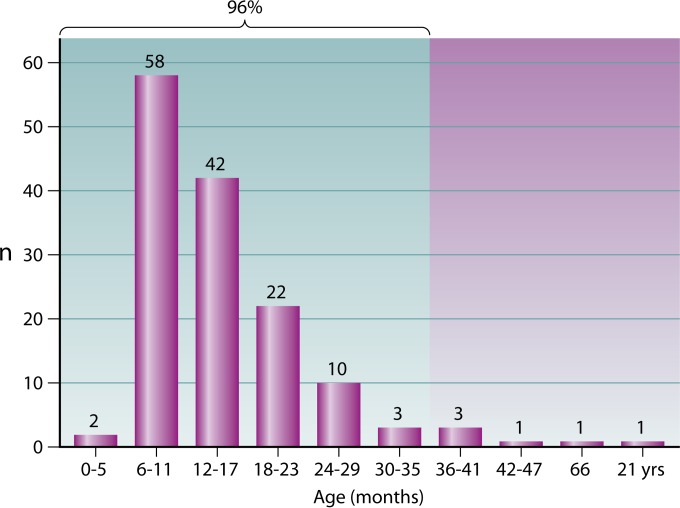
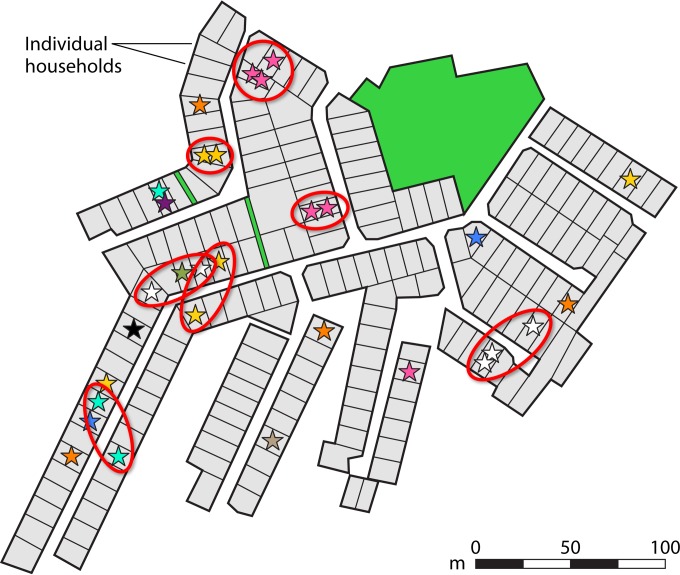
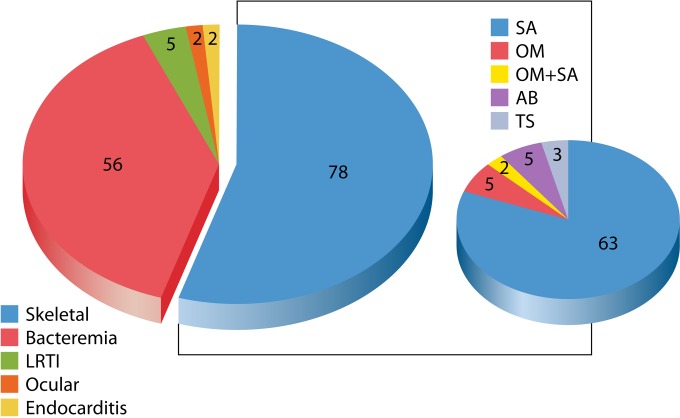
Kingella kingae is a common etiology of pediatric bacteremia and the leading agent of osteomyelitis and septic arthritis in children aged 6 to 36 months. This Gram-negative bacterium is carried asymptomatically in the oropharynx and disseminates by close interpersonal contact. The colonized epithelium is the source of bloodstream invasion and dissemination to distant sites, and certain clones show significant association with bacteremia, osteoarthritis, or endocarditis. Kingella kingae produces an RTX (repeat-in-toxin) toxin with broad-spectrum cytotoxicity that probably facilitates mucosal colonization and persistence of the organism in the bloodstream and deep body tissues. With the exception of patients with endocardial involvement, children with K. kingae diseases often show only mild symptoms and signs, necessitating clinical acumen. The isolation of K. kingae on routine solid media is suboptimal, and detection of the bacterium is significantly improved by inoculating exudates into blood culture bottles and the use of PCR-based assays. The organism is generally susceptible to antibiotics that are administered to young patients with joint and bone infections. β-Lactamase production is clonal, and the local prevalence of β-lactamase-producing strains is variable. If adequately and promptly treated, invasive K. kingae infections with no endocardial involvement usually run a benign clinical course.
Copyright © 2015, American Society for Microbiology. All Rights Reserved.
Figures

References
-
- Henriksen SD, Bøvre K. 1968. Moraxella kingii sp. nov. A haemolytic saccharolytic species of the genus Moraxella. J Gen Microbiol 51:377–385. - PubMed
-
- Henriksen SD, Bøvre K. 1976. Transfer of Moraxella kingii Henriksen and Bøvre to the genus Kingella gen. nov. in the family Neisseriaceae. J Syst Bacteriol 6:447–450.
-
- Woolfrey BF, Lally RT, Faville RJ. 1986. Intervertebral discitis caused by Kingella kingae. Am J Clin Pathol 85:745–749. - PubMed
Publication types
MeSH terms
Substances
LinkOut - more resources
Full Text Sources
Molecular Biology Databases