


Using next-generation RNA sequencing to examine ischemic changes induced by cold blood cardioplegia on the human left ventricular myocardium transcriptome
- PMID: 25581909
- PMCID: PMC4333028
- DOI: 10.1097/ALN.0000000000000582
Using next-generation RNA sequencing to examine ischemic changes induced by cold blood cardioplegia on the human left ventricular myocardium transcriptome
Abstract
Background: The exact mechanisms that underlie the pathological processes of myocardial ischemia in humans are unclear. Cardiopulmonary bypass with cardioplegic arrest allows the authors to examine the whole transcriptional profile of human left ventricular myocardium at baseline and after exposure to cold cardioplegia-induced ischemia as a human ischemia model.
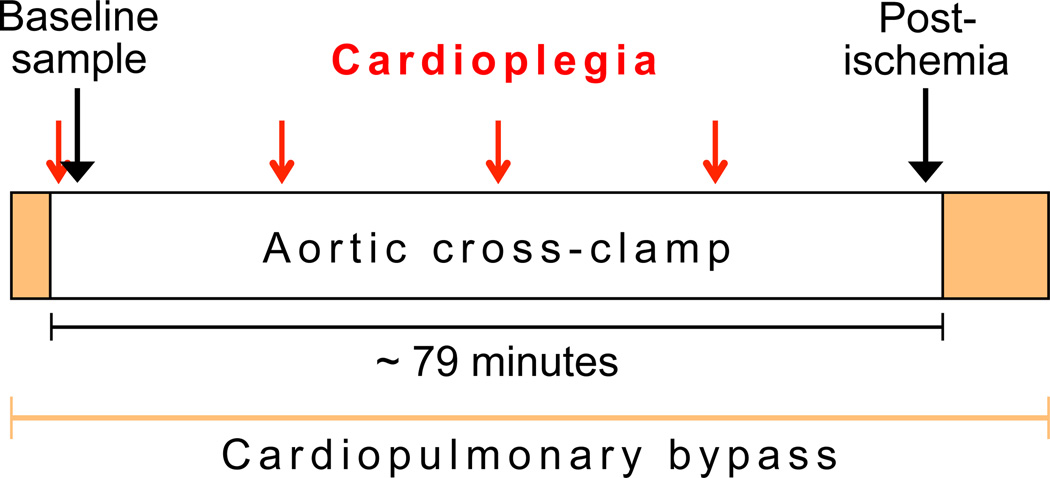
Methods: The authors obtained biopsies from 45 patients undergoing aortic valve replacement surgery at baseline and after an average of 79 min of cold cardioplegic arrest. Samples were RNA sequenced and analyzed with the Partek Genomics Suite (Partek Inc., St. Louis, MO) for differential expression. Ingenuity Pathway Analysis (Ingenuity Systems, Redwood City, CA) and Biobase ExPlain (Biobase GmbH, Wolfenbuettel, Germany) systems were used for functional and pathway analyses.
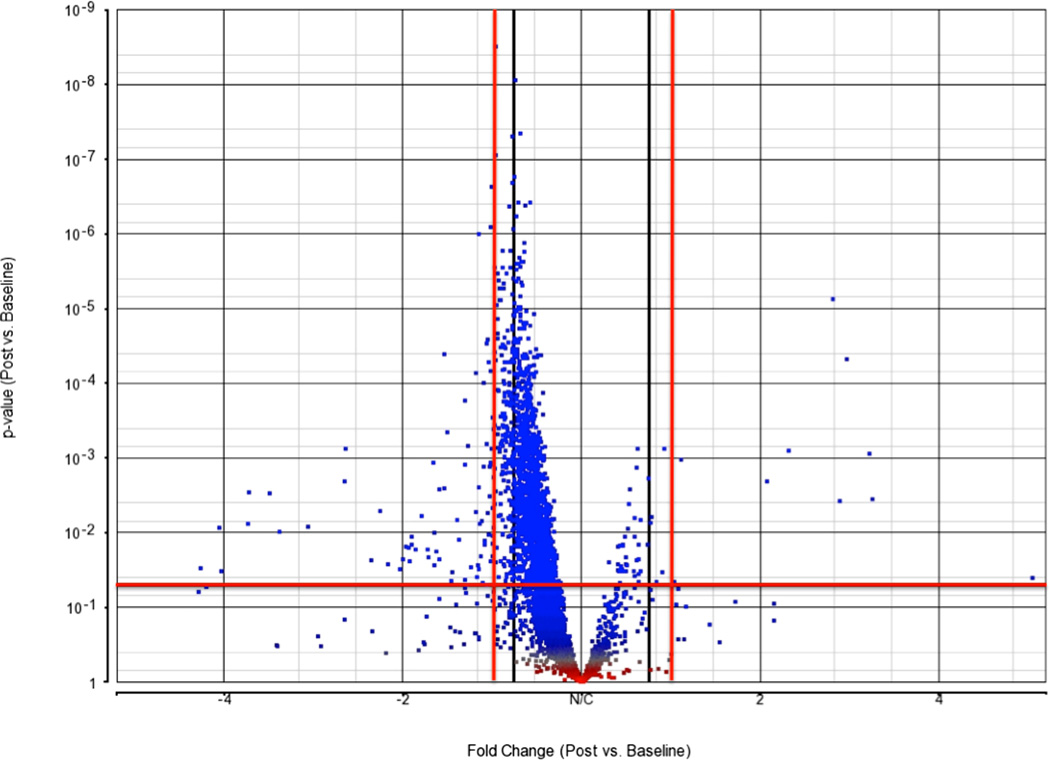
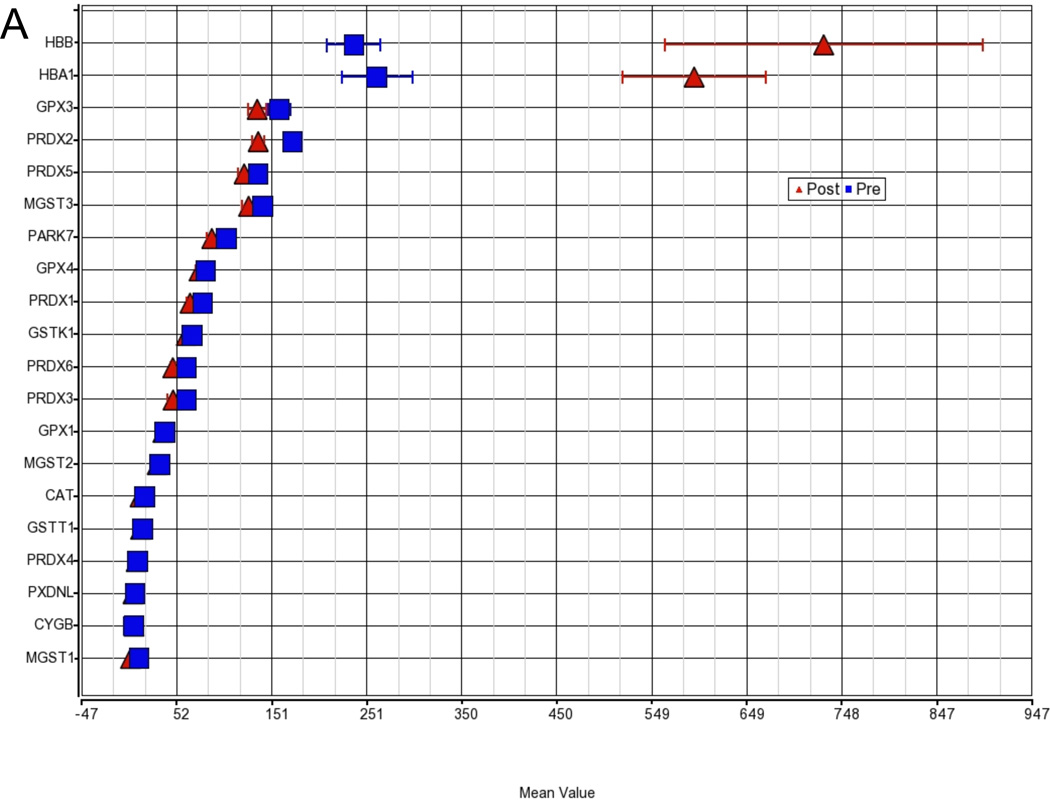
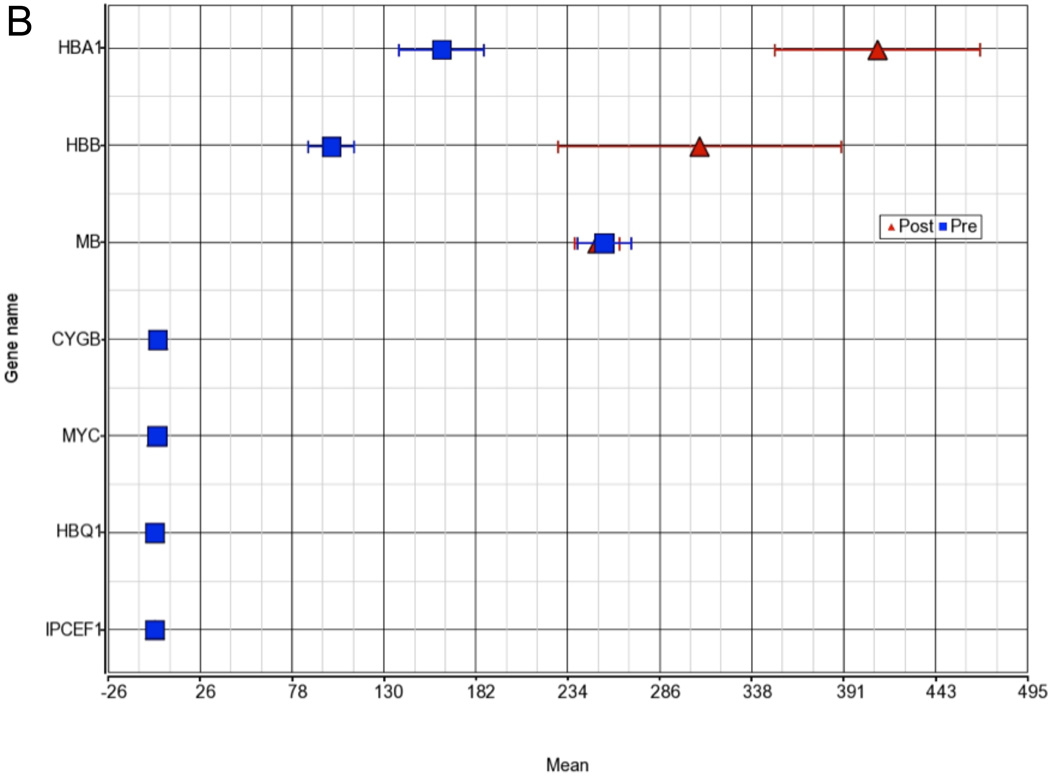
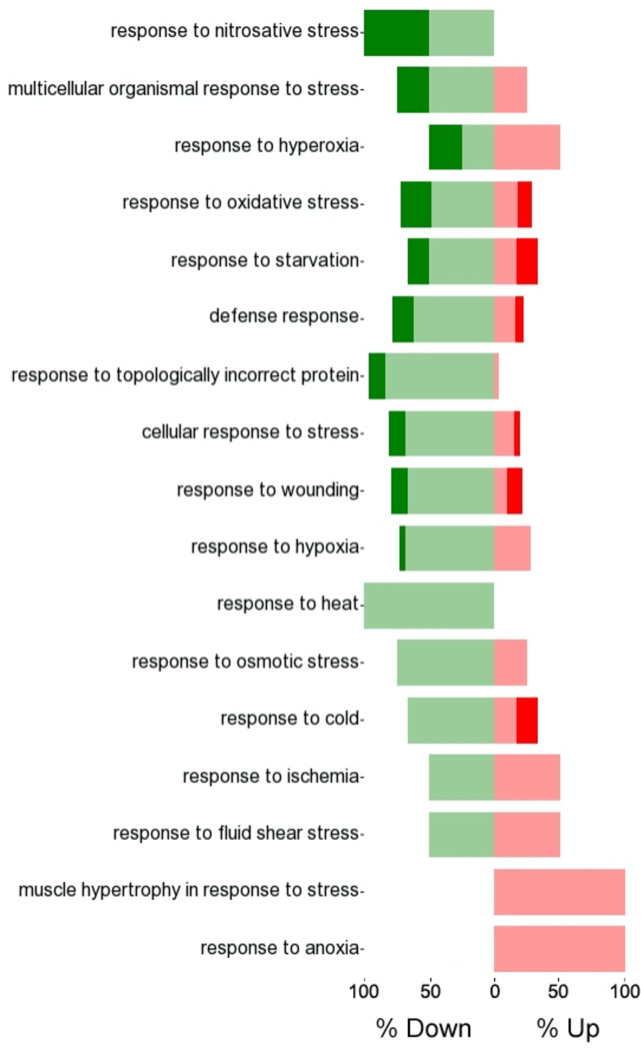
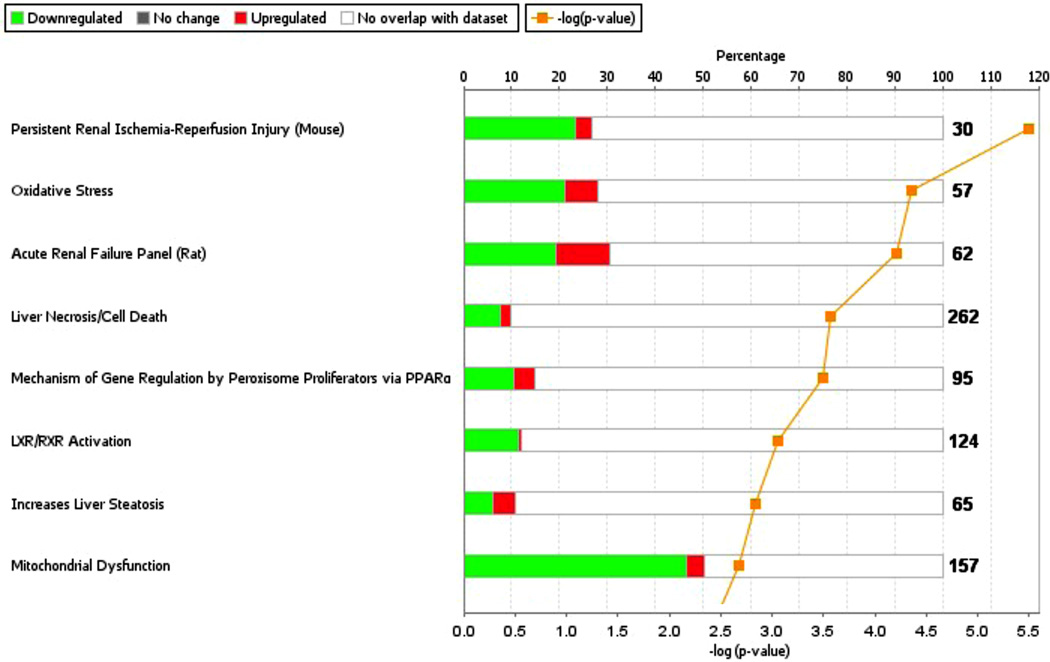
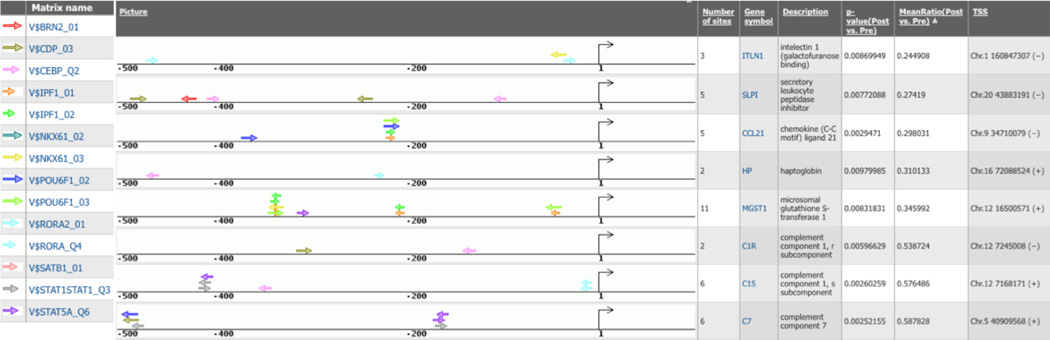
Results: Of the 4,098 genes with a mean expression value greater than 5, 90% were down-regulated and 9.1% were up-regulated. Of those, 1,241 were significantly differentially expressed. Gene ontology analysis revealed significant down-regulation in immune inflammatory response and complement activation categories and highly consistent was the down-regulation of intelectin 1, proteoglycan, and secretory leukocyte peptidase inhibitor. Up-regulated genes of interest were FBJ murine osteosarcoma viral oncogene homolog and the hemoglobin genes hemoglobin α1 (HBA1) and hemoglobin β. In addition, analysis of transcription factor-binding sites revealed interesting targets in factors regulating reactive oxygen species production, apoptosis, immunity, cytokine production, and inflammatory response.
Conclusions: The authors have shown that the human left ventricle exhibits significant changes in gene expression in response to cold cardioplegia-induced ischemia during cardiopulmonary bypass, which provides great insight into the pathophysiology of ventricular ischemia, and thus, may help guide efforts to reduce myocardial damage during surgery.
Figures
Comment in
-
Next generation of cardiovascular studies: transcriptional responses of the human myocardium during cardiac surgery.Anesthesiology. 2015 Mar;122(3):486-8. doi: 10.1097/ALN.0000000000000581. Anesthesiology. 2015. PMID: 25569809 Free PMC article. No abstract available.
References
-
- Bretschneider HJ, Hubner G, Knoll D, Lohr B, Nordbeck H, Spieckermann PG. Myocardial resistance and tolerance to ischemia: Physiological and biochemical basis. J Cardiovasc Surg (Torino) 1975;16:241–260. - PubMed
-
- Walsh MC, Bourcier T, Takahashi K, Shi L, Busche MN, Rother RP, Solomon SD, Ezekowitz RA, Stahl GL. Mannose-binding lectin is a regulator of inflammation that accompanies myocardial ischemia and reperfusion injury. J Immunol. 2005;175:541–546. - PubMed
-
- Feng J, Bianchi C, Sandmeyer JL, Li J, Sellke FW. Molecular indices of apoptosis after intermittent blood and crystalloid cardioplegia. Circulation. 2005;112:I184–1189. - PubMed
-
- Etievent JP, Chocron S, Toubin G, Taberlet C, Alwan K, Clement F, Cordier A, Schipman N, Kantelip JP. Use of cardiac troponin I as a marker of perioperative myocardial ischemia. Ann Thorac Surg. 1995;59:1192–1194. - PubMed
-
- Muehlschlegel JD, Perry TE, Liu KY, Nascimben L, Fox AA, Collard CD, Avery EG, Aranki SF, D'Ambra MN, Shernan SK, Body SC, Investigators CG. Troponin is superior to electrocardiogram and creatinine kinase MB for predicting clinically significant myocardial injury after coronary artery bypass grafting. Eur Heart J. 2009;30:1574–1583. - PMC - PubMed
Publication types
MeSH terms
Grants and funding
LinkOut - more resources
Full Text Sources
Molecular Biology Databases
Miscellaneous
