


The pathogenic role of persistent milk signaling in mTORC1- and milk-microRNA-driven type 2 diabetes mellitus
- PMID: 25587719
- PMCID: PMC4428476
- DOI: 10.2174/1573399811666150114100653
The pathogenic role of persistent milk signaling in mTORC1- and milk-microRNA-driven type 2 diabetes mellitus
Abstract
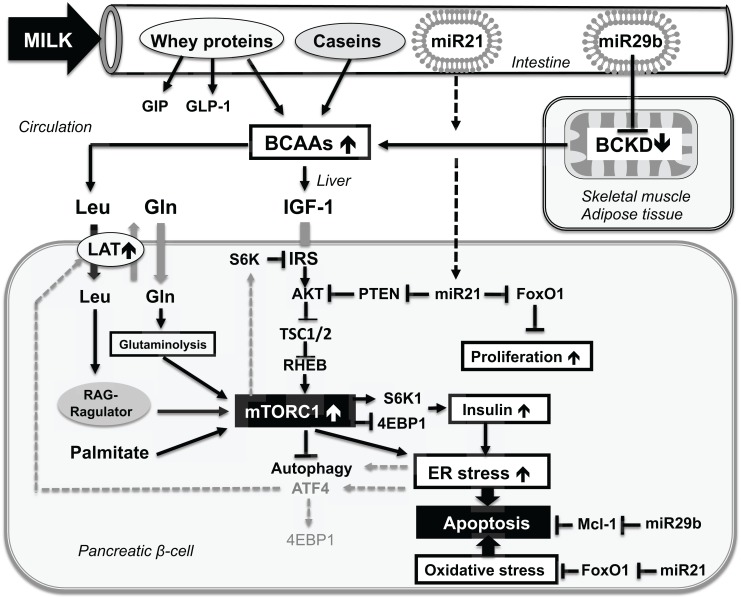
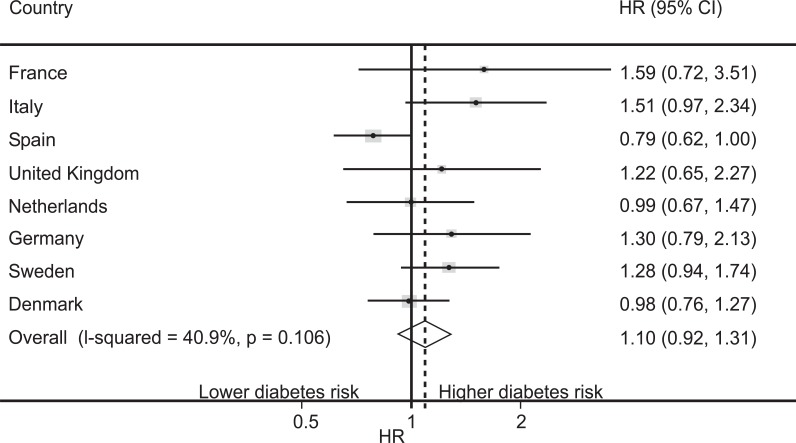
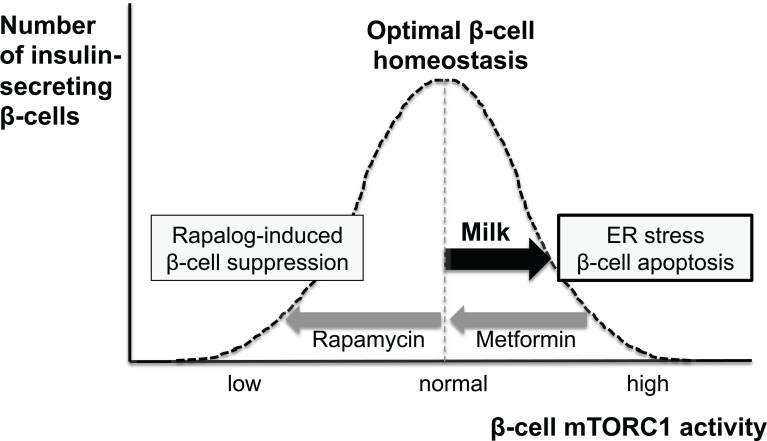
Milk, the secretory product of the lactation genome, promotes growth of the newborn mammal. Milk delivers insulinotropic amino acids, thus maintains a molecular crosstalk with the pancreatic β-cell of the milk recipient. Homeostasis of β-cells and insulin production depend on the appropriate magnitude of mTORC1 signaling. mTORC1 is activated by branched-chain amino acids (BCAAs), glutamine, and palmitic acid, abundant nutrient signals of cow´s milk. Furthermore, milk delivers bioactive exosomal microRNAs. After milk consumption, bovine microRNA-29b, a member of the diabetogenic microRNA-29- family, reaches the systemic circulation and the cells of the milk consumer. MicroRNA-29b downregulates branchedchain α-ketoacid dehydrogenase, a potential explanation for increased BCAA serum levels, the metabolic signature of insulin resistance and type 2 diabetes mellitus (T2DM). In non-obese diabetic mice, microRNA-29b downregulates the antiapoptotic protein Mcl-1, which leads to early β-cell death. In all mammals except Neolithic humans, milk-driven mTORC1 signaling is physiologically restricted to the postnatal period. In contrast, chronic hyperactivated mTORC1 signaling has been associated with the development of age-related diseases of civilization including T2DM. Notably, chronic hyperactivation of mTORC1 enhances endoplasmic reticulum stress that promotes apoptosis. In fact, hyperactivated β-cell mTORC1 signaling induced early β-cell apoptosis in a mouse model. The EPIC-InterAct Study demonstrated an association between milk consumption and T2DM in France, Italy, United Kingdom, Germany, and Sweden. In contrast, fermented milk products and cheese exhibit an inverse correlation. Since the early 1950´s, refrigeration technology allowed widespread consumption of fresh pasteurized milk, which facilitates daily intake of bioactive bovine microRNAs. Persistent uptake of cow´s milk-derived microRNAs apparently transfers an overlooked epigenetic diabetogenic program that should not reach the human food chain.
Figures
References
-
- Reference: Available from http://www.cdc.gov/ diabe-tes/pdfs/data/2014-report-estimates-of-diabete... .
-
- Akash MS, Shen Q, Rehman K, Chen S. Interleukin-1 receptor antagonist a new therapy for type 2 diabetes mellitus. J Pharm Sci. 2012;101:1647–58. - PubMed
-
- Akash MS, Rehman K, Chen S. An overview of valuable scientific models for diabetes mellitus. Curr Diabetes Rev. 2013;9:286–93. - PubMed
-
- Akash MS, Rehman K, Chen S. Role of inflammatory mechanisms in pathogenesis of type 2 diabetes mellitus. J Cell Biochem. 2013;114:525–31. - PubMed
Publication types
MeSH terms
Substances
LinkOut - more resources
Full Text Sources
Other Literature Sources
Medical
