


Pharmacotherapy of glaucoma
- PMID: 25587905
- PMCID: PMC4346603
- DOI: 10.1089/jop.2014.0067
Pharmacotherapy of glaucoma
Abstract
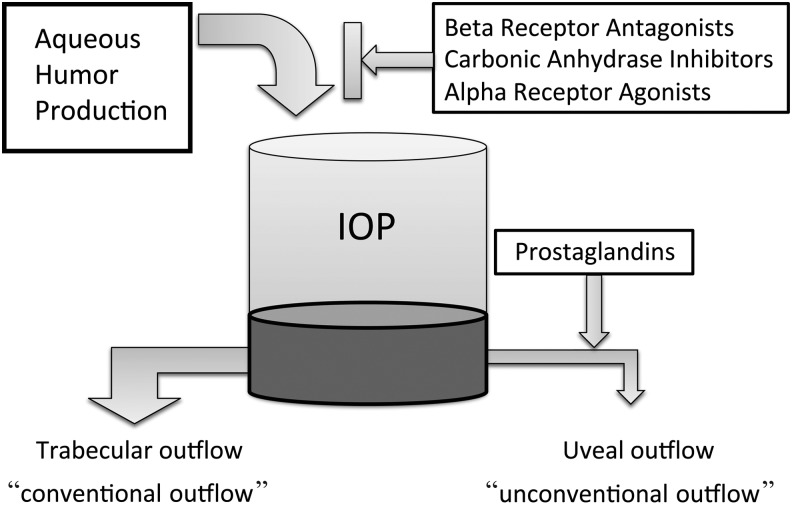
Glaucoma is a group of diseases involving the optic nerve and associated structures, which is characterized by progressive visual field loss and typical changes of the optic nerve head (ONH). The only known treatment of the disease is reduction of intraocular pressure (IOP), which has been shown to reduce glaucoma progression in a variety of large-scale clinical trials. Nowadays, a relatively wide array of topical antiglaucoma drugs is available, including prostaglandin analogues, carbonic anhydrase inhibitors, beta-receptor antagonists, adrenergic agonists, and parasympathomimetics. In clinical routine, this allows for individualized treatment taking risk factors, efficacy, and safety into account. A major challenge is related to adherence to therapy. Sustained release devices may help minimize this problem but are not yet available for clinical routine use. Another hope arises from non-IOP-related treatment concepts. In recent years, much knowledge has been gained regarding the molecular mechanisms that underlie the disease process in glaucoma. This also strengthens the hope that glaucoma therapy beyond IOP lowering will become available. Implementing this concept with clinical trials remains, however, a challenge.
Figures
References
-
- Coleman A.L., and Miglior S.Risk factors for glaucoma onset and progression. Surv. Ophthalmol. 53Suppl 1:S3–S10, 2008 - PubMed
-
- Gabelt B.T., and Kaufman P.L.Aqueous humor hydrodynamics. In: Hart W.M., ed. Adler's Physiology of the Eye. 9th ed. St. Louis: MO: Mosby; 2003
Publication types
MeSH terms
LinkOut - more resources
Full Text Sources
Other Literature Sources
Medical
