


Workplace violence against homecare workers and its relationship with workers health outcomes: a cross-sectional study
- PMID: 25595487
- PMCID: PMC4308913
- DOI: 10.1186/s12889-014-1340-7
Workplace violence against homecare workers and its relationship with workers health outcomes: a cross-sectional study
Abstract
Background: Consumer-driven homecare models support aging and disabled individuals to live independently through the services of homecare workers. Although these models have benefits, including autonomy and control over services, little evidence exists about challenges homecare workers may face when providing services, including workplace violence and the negative outcomes associated with workplace violence. This study investigates the prevalence of workplace violence among homecare workers and examines the relationship between these experiences and homecare worker stress, burnout, depression, and sleep.
Methods: We recruited female homecare workers in Oregon, the first US state to implement a consumer driven homecare model, to complete an on-line or telephone survey with peer interviewers. The survey asked about demographics and included measures to assess workplace violence, fear, stress, burnout, depression and sleep problems.
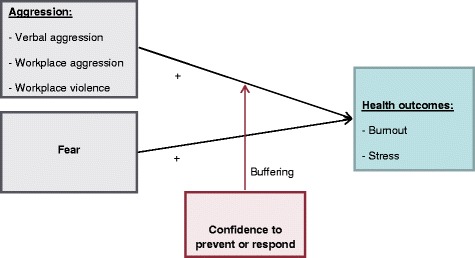
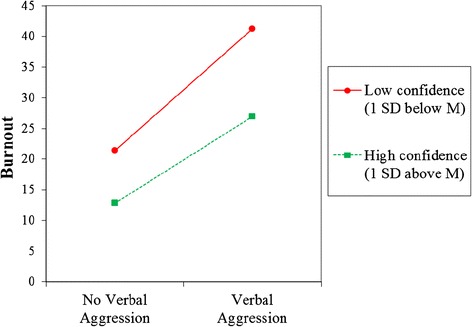
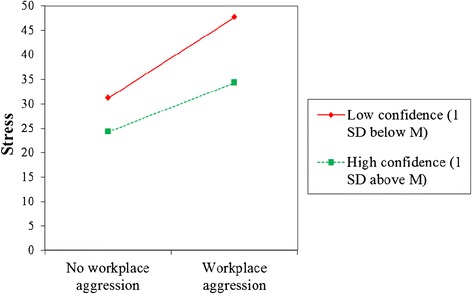
Results: Homecare workers (n = 1,214) reported past-year incidents of verbal aggression (50.3% of respondents), workplace aggression (26.9%), workplace violence (23.6%), sexual harassment (25.7%), and sexual aggression (12.8%). Exposure was associated with greater stress (p < .001), depression (p < .001), sleep problems (p < .001), and burnout (p < .001). Confidence in addressing workplace aggression buffered homecare workers against negative work and health outcomes.
Conclusions: To ensure homecare worker safety and positive health outcomes in the provision of services, it is critical to develop and implement preventive safety training programs with policies and procedures that support homecare workers who experience harassment and violence.
Figures
References
-
- United Nations Population Fund (UNFPA). United Nations Population Fund (UNFPA). Aging in the 21st century: a celebration and a challenge: Executive summary, 2012. New York and London; 2012.
-
- Bettio F, Verashchagina A. Long-Term Care for the elderly: Provisions and providers in 33 European countries. 2012. [http://ec.europa.eu/justice/gender-equality/files/elderly_care_en.pdf]
-
- Francis J. UKHCA Summary paper: An overview of the UK domiciliary care sector. No. 3083104 [http://www.ukhca.co.uk/pdfs/domiciliarycaresectoroverview.pdf]
-
- Nakaishi L, Moss H, Weinstein M, Perrin N, Rose L, Anger WK, Hanson GC, Christian M, Glass N. Exploring workplace violence among home care workers in a consumer-driven home health care program. Workplace Health Saf. 2013;61:441–50. - PubMed
Publication types
MeSH terms
Grants and funding
LinkOut - more resources
Full Text Sources
Other Literature Sources
Medical
Miscellaneous
