. 2015 Apr;11(3):589-99.
doi: 10.1016/j.nano.2014.11.010. Epub 2015 Jan 14.

Analysis of human innate immune responses to PRINT fabricated nanoparticles with cross validation using a humanized mouse model

Affiliations

Analysis of human innate immune responses to PRINT fabricated nanoparticles with cross validation using a humanized mouse model

Gregory R Robbins et al. Nanomedicine. 2015 Apr.

Abstract

Ideal nanoparticle (NP)-based drug and vaccine delivery vectors should be free of inherent cytotoxic or immunostimulatory properties. Therefore, determining baseline immune responses to nanomaterials is of utmost importance when designing human therapeutics. We characterized the response of human immune cells to hydrogel NPs fabricated using Particle Replication in Non-wetting Templates (PRINT) technology. We found preferential NP uptake by primary CD14(+) monocytes, which was significantly reduced upon PEGylation of the NP surface. Multiplex cytokine analysis of NP treated primary human peripheral blood mononuclear cells suggests that PRINT based hydrogel NPs do not evoke significant inflammatory responses nor induce cytotoxicity or complement activation. We furthered these studies using an in vivo humanized mouse model and similarly found preferential NP uptake by human CD14(+) monocytes without systemic inflammatory cytokine responses. These studies suggest that PRINT hydrogel particles form a desirable platform for vaccine and drug delivery as they neither induce inflammation nor toxicity. From the clinical editor: The authors here fabricated hydrogel nanorods using the PRINT (Particle Replication In Nonwetting Templates) fabrication process. They tested the interaction of human immune cells with these particles and found no immunoreactivity. This finding would suggest that monodisperse PRINT particles of identical shape and size could serve a variety of clinical applications.

Keywords: Complement; Humanized mice; Monocytes; Nanoparticles; PEGylation; PRINT; Toxicity.


Conflict of interest statement

Conflicts of Interest:

Joseph M. DeSimone is a founder and maintains a financial interest in Liquidia Technologies. PRINT and Fluorocur are registered trademarks of Liquidia Technologies, Inc.

Figures
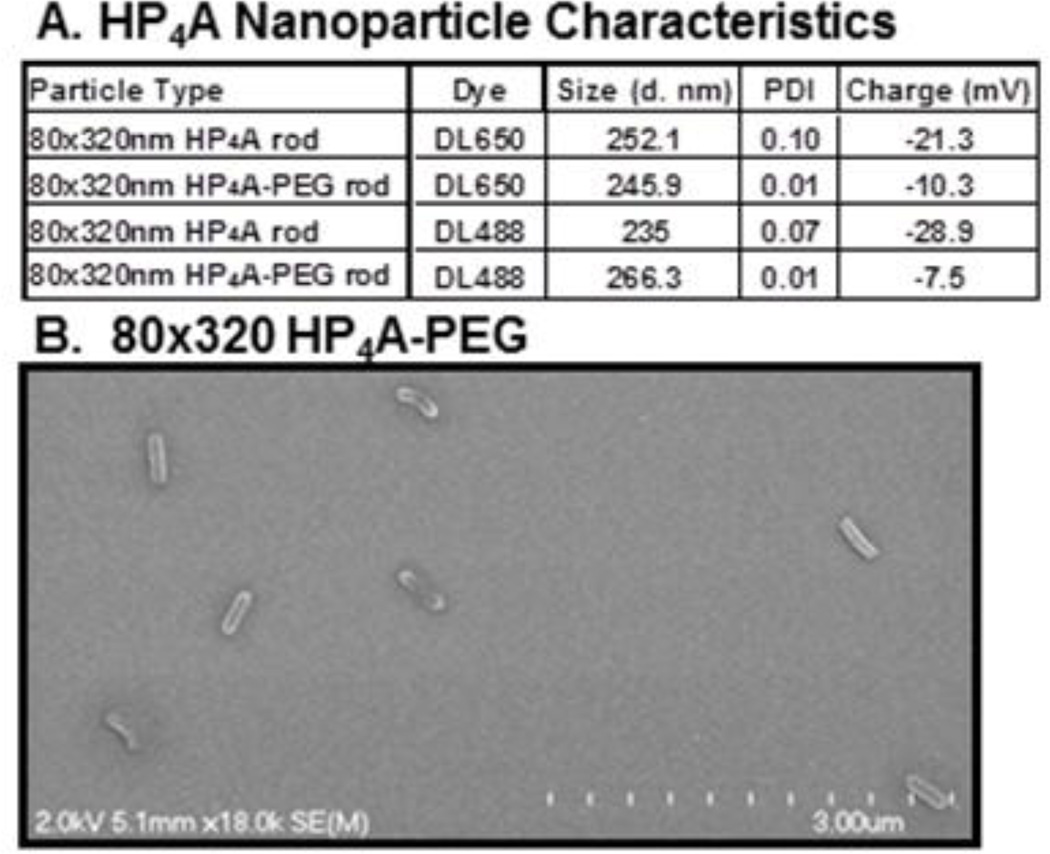
Figure 1
Figure 1. HP4A-based PRINT NP Characterization
(A) Size, polydispersity index (PDI) and surface charge of HP4A and HP4A-PEG particles used in these studies. (B) SEM image of 80×320 nm HP4A-PEG rods.
Figure 2
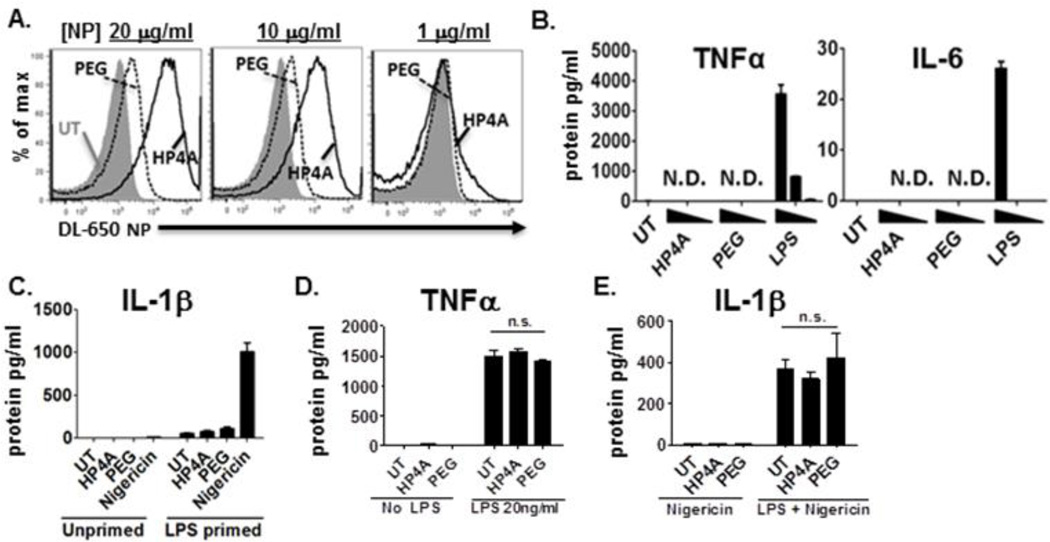
Figure 2. HP4A-based 80×320 nm rod uptake without inflammatory cytokine responses by THP-1 cells
(A) Dose dependent uptake of HP4A (solid black) and HP4A-PEG (dashed black) NP after 24 hr. Grey fill, untreated cells. (B) ELISA for TNFα and IL-6 secretion 24 hours after NP treatment (20, 10, 1 µg/ml). Pos.cntrl, LPS treatment (100, 10, 1 ng/ml) for 8 hr. (C) ELISA for IL-1β secretion after 24hr NP treatment alone (20 µg/ml) or with LPS (10 ng/ml) added in the final 8 hours. Nigericin (20 µM) was added in the final 40 mins. as pos. cntrl for IL-1β secretion. (D) ELISA for TNFα secretion by THP-1 pre-treated with NP (10 µg/ml) for 16 hr, followed by LPS (20 ng/ml) for 4hr. (E) ELISA for IL-1β secretion by THP-1 pre-treated with NP (10 µg/ml) for 16 hr, followed by LPS treatment (20 ng/ml) for 4hr and nigericin (20 µM) in the final 40 mins. Statistical analysis by 2-way ANOVA. N.D., not detected; n.s., not significant.
Figure 3
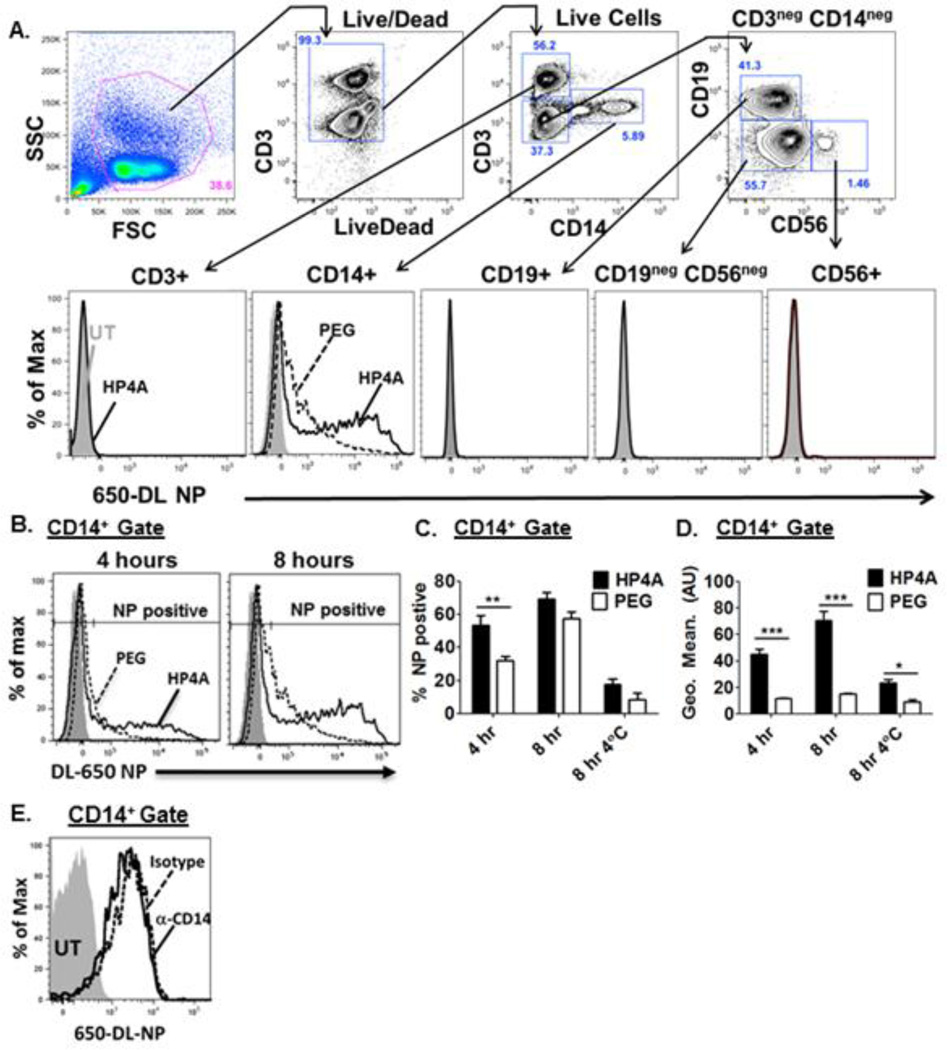
Figure 3. HP4A-based 80×320 nm rod uptake by primary human PBMC
(A) Gating scheme used to analyze HP4A and HP4A-PEG NP uptake by T cells (CD3+), monocytes (CD14+), B cells (CD19+) and NK cells (CD56+) (B) Representative plot of HP 4 A (solid black) and HP4A-PEG (dashed black) NP uptake by CD14 + cells after 4 and 8 hr treatment with NP (10 µg/ml). Grey fill, untreated cells. (C+D) Combined data from 4 donors for frequency of CD14 + NP + cells (C) and mean fluorescence intensity (MFI) of NP signal within the CD14 + NP + gate (D). (E) Uptake of HP 4 A-NP (10 µg/ml) by CD14 + hu-PBMC at 8 hr in the presence of CD14 blocking antibody (50 µg/ml), solid line or isotype control antibody (50 µg/ml), dashed line. Statistical analysis by 2-way ANOVA. *P<0.05, **P<0.01, ***P<0.001 Data in A-D are representative of two independent experiments using a total of 8 donors. Data in E are representative of two independent experiments using a total of 5 donors.
Figure 4
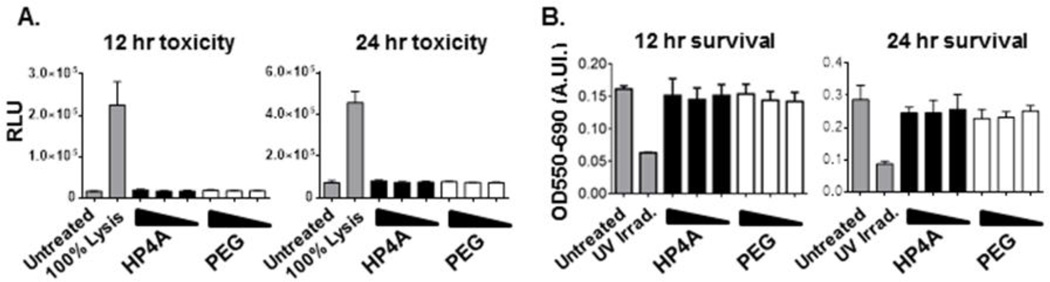
Figure 4. Undetectable toxicity following treatment of primary hu-PBMC with HP4A-based 80×320 nm rods
(A) Luciferase based adenylate kinase assay for cell toxicity after treatment of primary human CD14 + cells with 100, 10 and 1 µg/ml HP4A or HP4A-PEG NP at 12 and 24 hr. 100% lysis represents maximal toxicity signal. (B) MTT assay for cell survival after treatment of primary human peripheral blood buffy coat cells with 100, 10 and 1 µg/ml HP4A or HP4A-PEG NP at 12 and 24 hr. UV irradiated cells served as a positive control for cell death. Data in A are representative of two experiments using independently synthesized particles and cells from mixed donors. Data in B are combined results testing 6 independent batches of NP. RLU, relative light units; A.U., arbitrary units. Statistical Analysis by 1-way ANOVA with Tukey’s multiple comparisons test.
Figure 5
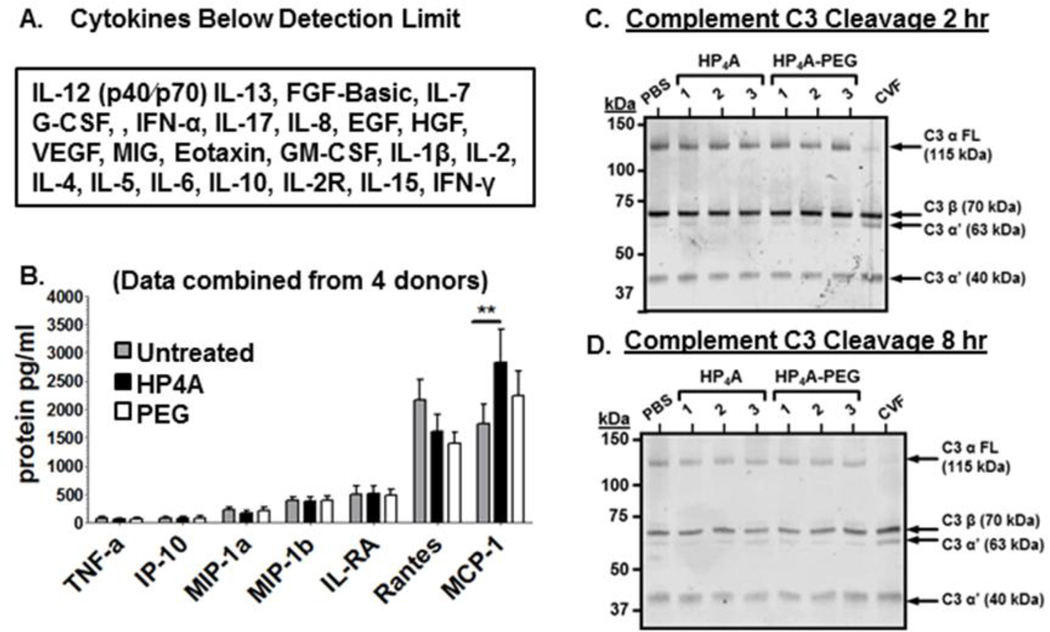
Figure 5. Undetectable cytokine responses and complement activation following treatment of primary hu-PBMC with HP4A-based 80×320 nm rods
(A) List of cytokines below the limit of detection in hu-PBMC cultures treated with 10 µg/ml HP4A or HP4A-PEG NP. (B) Multiplex cytokine ELISA data for untreated, HP4A or HP4A-PEG NP (10 µg/ml) treated PBMC after 8 hr. (C+D) Human complement C3α activation in plasma at 2 hr (C) and 8 hr (D) following treatment with HP4A and HP4A-PEG NP (10 µg/ml). Positive control; cobra venom factor (CVF) to induce C3α cleavage. Negative control PBS. Numbers indicate independent NP preparations (3 per particle type). Full length C3α (115 kDa). Expected C3α cleavage products (C3α’) 63 kDa and 40 kDa bands. The C3 β-chain (70 kDa) does not undergo cleavage and serves as a loading control. Data in A and B are combined from 4 independent PBMC donors. Statistical Analysis by 2-way ANOVA. **P<0.01.
Figure 6
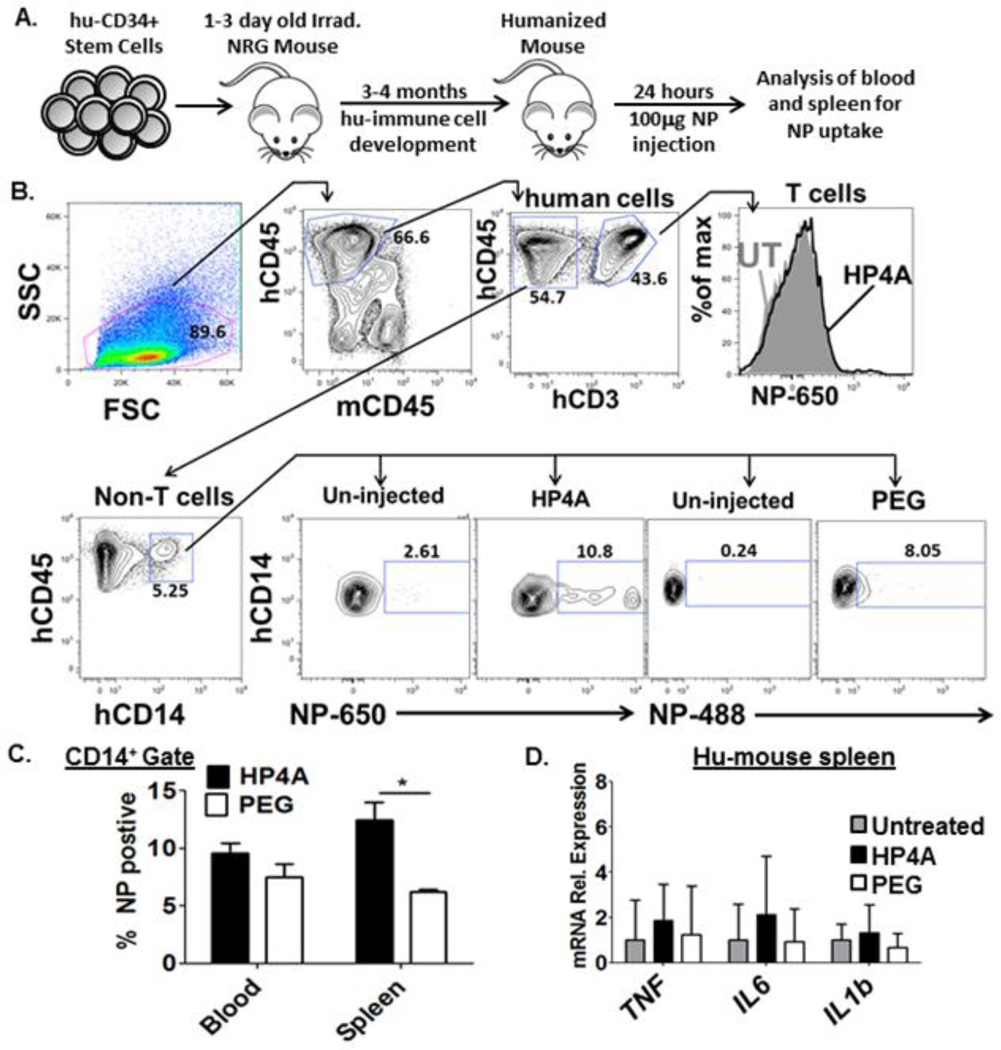
Figure 6. HP4A-based 80×320 nm rod uptake and inflammatory cytokine responses using a humanized mouse model
(A) Schematic of humanized mouse model. CD34+ cells from hu fetal liver are injected into 1–3 day old irradiated immunodeficient NRG (NOD.Rag1−/−Il2rg−/−) mice. 3–4 months post transplant the mice are injected with NP and human immune cells are analyzed for NP uptake. (B) Gating scheme used to analyze HP4A and HP4A-PEG (PEG) NP uptake by human T cells (anti-human CD45+ CD3+) or monocytes (anti-human CD45+CD14+). Gates for NP+ were set based on un-injected controls. (C) Frequency of NP+ cells in human CD14+ gate from blood and spleen of humanized mice 24 hours after 100 µg NP injection. (D) mRNA expression level of human pro-inflammatory cytokines in spleen of untreated and NP treated humanized mice. n = 4 animals per treatment group. Statistical Analysis by 2-way ANOVA. *P<0.05. Data are representative of two independent experiments.

References

    1. Dobrovolskaia MA, McNeil SE. Immunological properties of engineered nanomaterials. Nat Nanotechnol. 2007 Aug;2(8):469–478. - PubMed
    1. Bershteyn A, Hanson MC, Crespo MP, Moon JJ, Li AV, Suh H, et al. Robust IgG responses to nanograms of antigen using a biomimetic lipid-coated particle vaccine. J Control Release. 2012 Feb 10;157(3):354–365. - PMC - PubMed
    1. Demento SL, Eisenbarth SC, Foellmer HG, Platt C, Caplan MJ, Mark Saltzman W, et al. Inflammasome-activating nanoparticles as modular systems for optimizing vaccine efficacy. Vaccine. 2009 May 18;27(23):3013–3021. - PMC - PubMed
    1. Kasturi SP, Skountzou I, Albrecht RA, Koutsonanos D, Hua T, Nakaya HI, et al. Programming the magnitude and persistence of antibody responses with innate immunity. Nature. 2011 Feb 24;470(7335):543–547. - PMC - PubMed
    1. Getts DR, Martin AJ, McCarthy DP, Terry RL, Hunter ZN, Yap WT, et al. Microparticles bearing encephalitogenic peptides induce T-cell tolerance and ameliorate experimental autoimmune encephalomyelitis. Nat Biotechnol. 2012 Dec;30(12):1217–1224. - PMC - PubMed

Publication types