


Vitamin E in New-Generation Lipid Emulsions Protects Against Parenteral Nutrition-Associated Liver Disease in Parenteral Nutrition-Fed Preterm Pigs
- PMID: 25596209
- PMCID: PMC4504844
- DOI: 10.1177/0148607114567900
Vitamin E in New-Generation Lipid Emulsions Protects Against Parenteral Nutrition-Associated Liver Disease in Parenteral Nutrition-Fed Preterm Pigs
Abstract
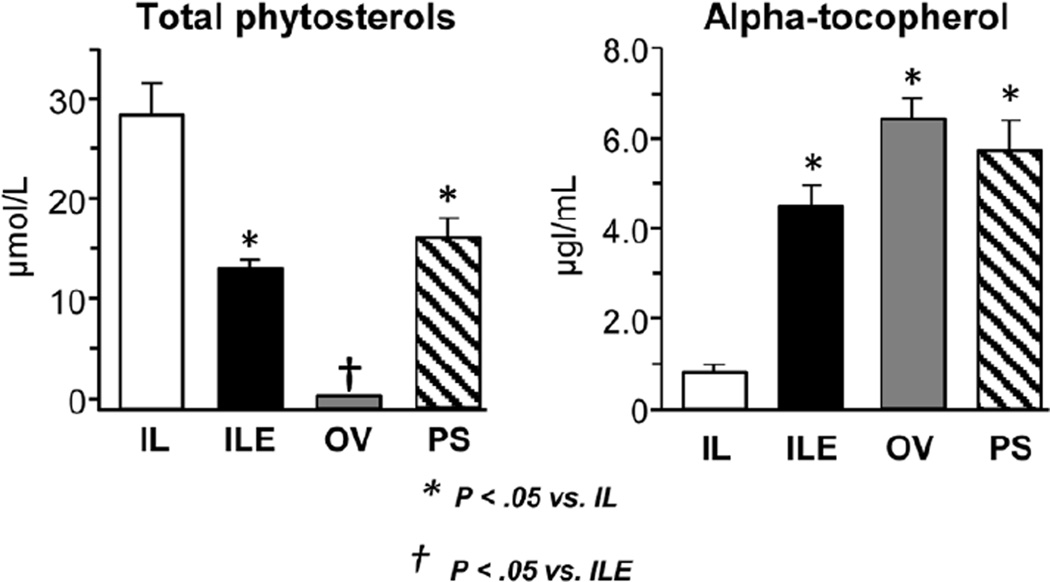
Introduction: Parenteral nutrition (PN) in preterm infants leads to PN-associated liver disease (PNALD). PNALD has been linked to serum accumulation of phytosterols that are abundant in plant oil but absent in fish oil emulsions.
Hypothesis: Whether modifying the phytosterol and vitamin E composition of soy and fish oil lipid emulsions affects development of PNALD in preterm pigs.
Methods: We measured markers of PNALD in preterm pigs that received 14 days of PN that included 1 of the following: (1) Intralipid (IL, 100% soybean oil), (2) Intralipid + vitamin E (ILE, d-α-tocopherol), (3) Omegaven (OV, 100% fish oil), or (4) Omegaven + phytosterols (PS, β-sitosterol, campesterol, and stigmasterol).
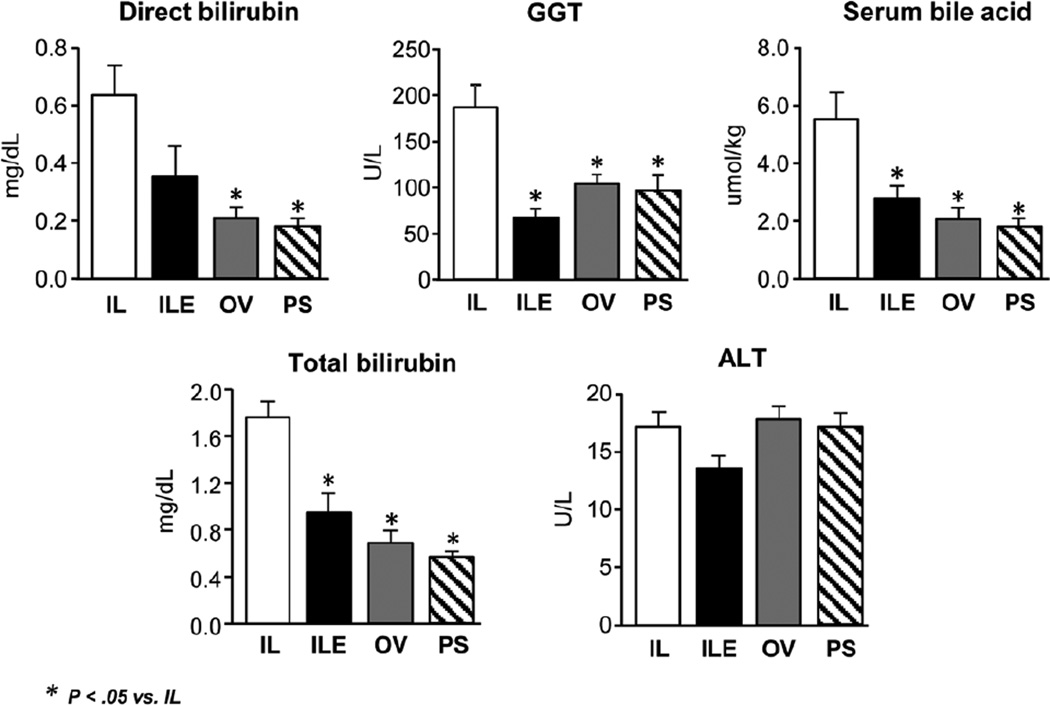
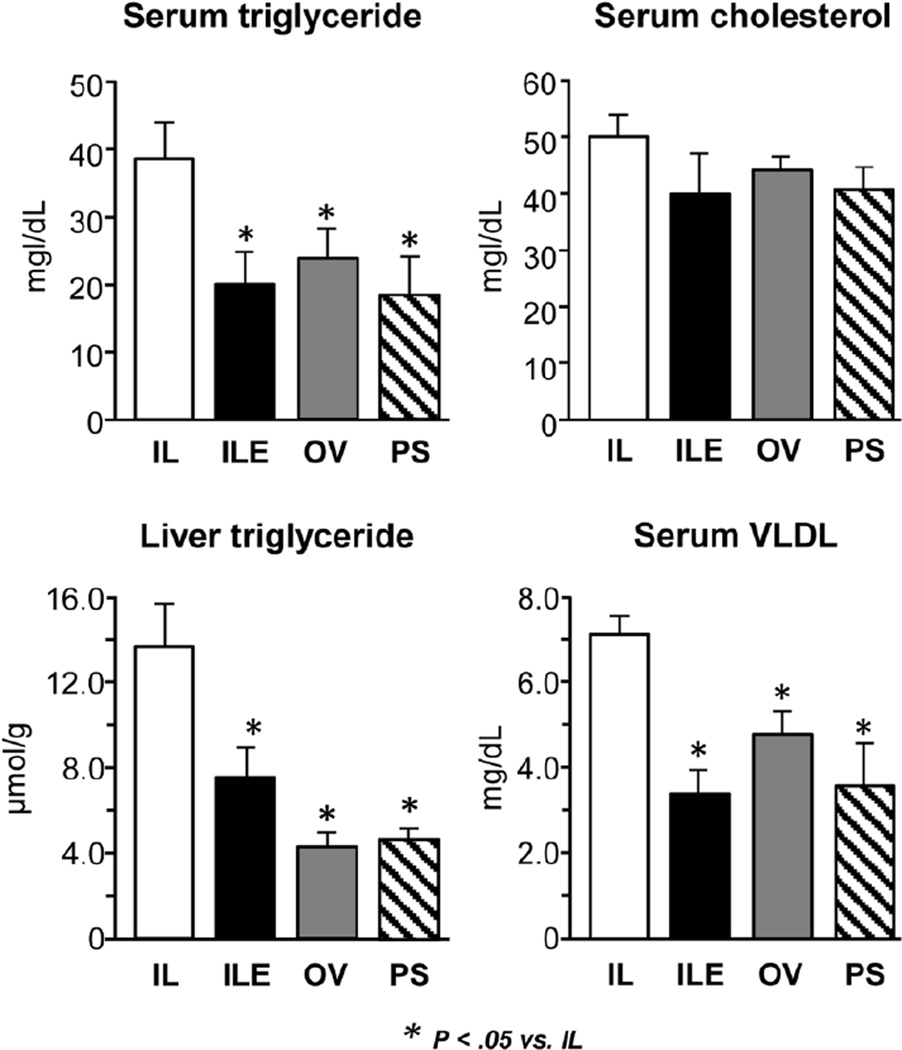
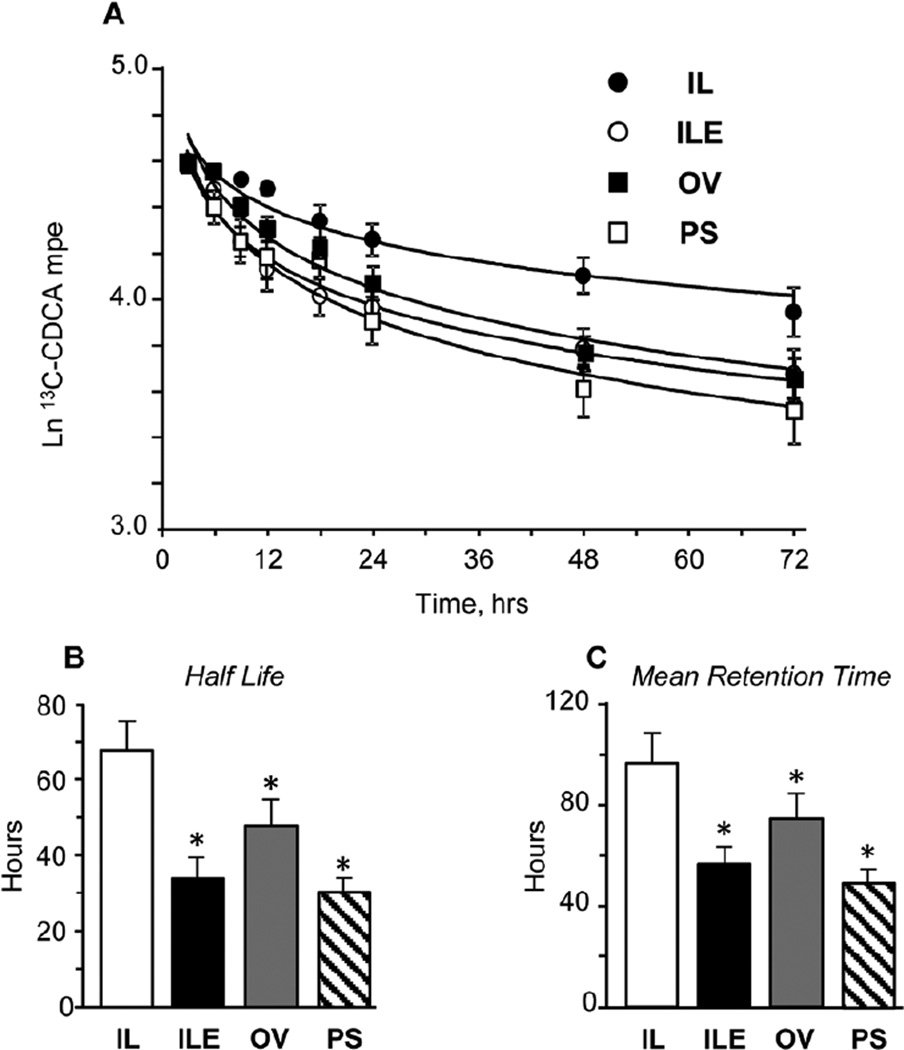
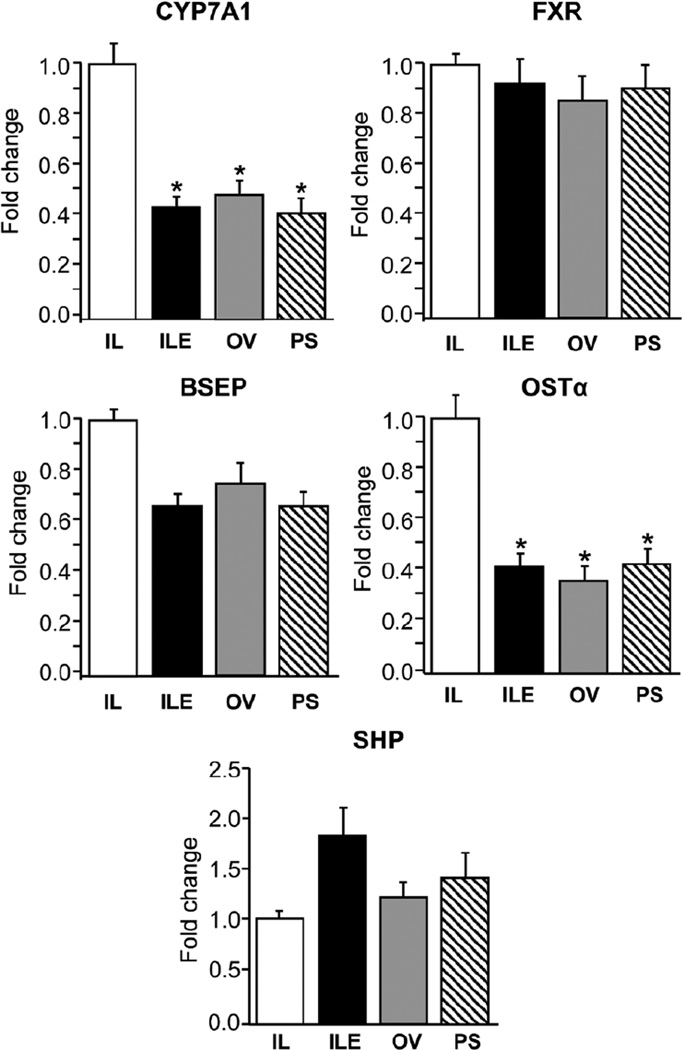
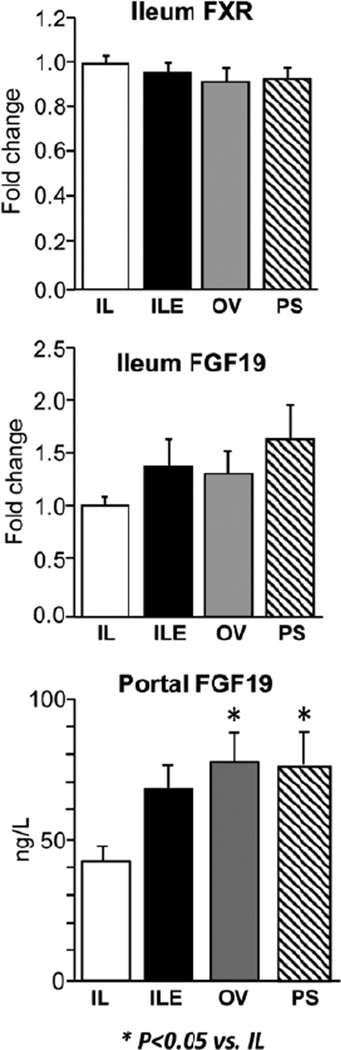
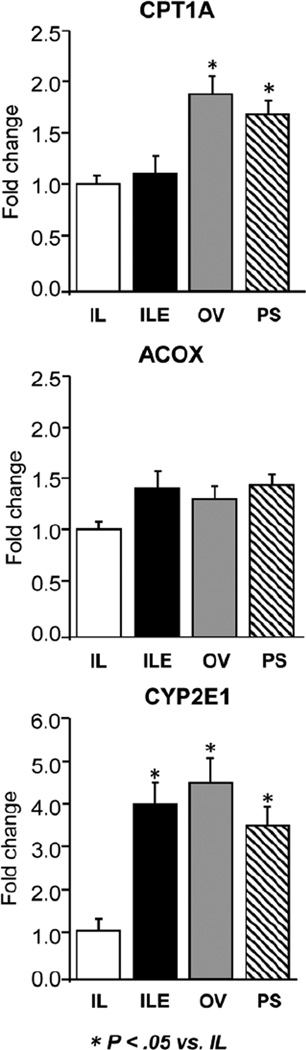
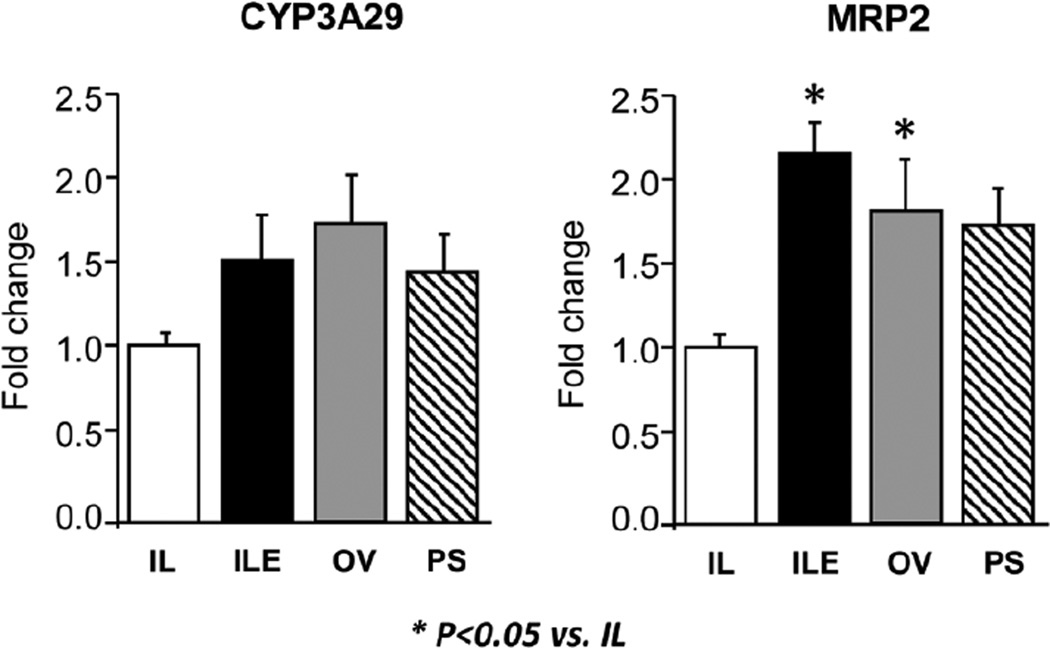
Results: Serum levels of direct bilirubin, gamma glutamyl transferase, serum triglyceride, low-density lipoprotein, and hepatic triglyceride content were significantly lower (P < .05) in the ILE, OV, and PS compared to IL. Hepatic cholesterol 7-hydroxylase and organic solute transporter-α expression was lower (P < .05) and portal plasma FGF19 higher in the ILE, OV, and PS vs IL. Hepatic expression of mitochondrial carnitine palmitoyltransferase 1A and microsomal cytochrome P450 2E1 fatty acid oxidation genes was higher in ILE, OV, and PS vs IL. In vivo (13)C-CDCA clearance and expression of pregnane X receptor target genes, cytochrome P450 3A29 and multidrug resistance-associated protein 2, were higher in ILE, OV, and PS vs IL.
Conclusions: α-tocopherol in Omegaven and added to Intralipid prevented serum and liver increases in biliary and lipidemic markers of PNALD in preterm piglets. The addition of phytosterols to Omegaven did not produce evidence of PNALD.
Keywords: cholestasis; life cycle; liver disease; neonates; nuclear receptors; phytosterols; research and diseases.
© 2015 American Society for Parenteral and Enteral Nutrition.
Figures
References
-
- Carter BA, Karpen SJ. Intestinal failure-associated liver disease: management and treatment strategies past, present, and future. Semin Liver Dis. 2007;27:251–258. - PubMed
-
- Christensen RD, Henry E, Wiedmeier SE, Burnett J, Lambert DK. Identifying patients, on the first day of life, at high-risk of developing parenteral nutrition-associated liver disease. J Perinatol. 2007;27:284–290. - PubMed
-
- Carter BA, Shulman RJ. Mechanisms of disease: update on the molecular etiology and fundamentals of parenteral nutrition associated cholestasis. Nat Clin Pract Gastroenterol Hepatol. 2007;4:277–287. - PubMed
-
- Waitzberg DL, Torrinhas RS. Fish oil lipid emulsions and immune response: what clinicians need to know. Nutr Clin Pract. 2009;24:487–499. - PubMed
Publication types
MeSH terms
Substances
Grants and funding
LinkOut - more resources
Full Text Sources
Other Literature Sources
Medical
