


Diet in the pathogenesis and treatment of inflammatory bowel diseases
- PMID: 25597840
- PMCID: PMC4409494
- DOI: 10.1053/j.gastro.2015.01.007
Diet in the pathogenesis and treatment of inflammatory bowel diseases
Abstract
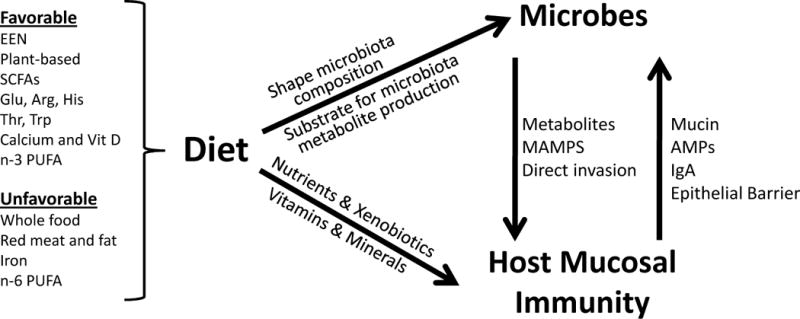
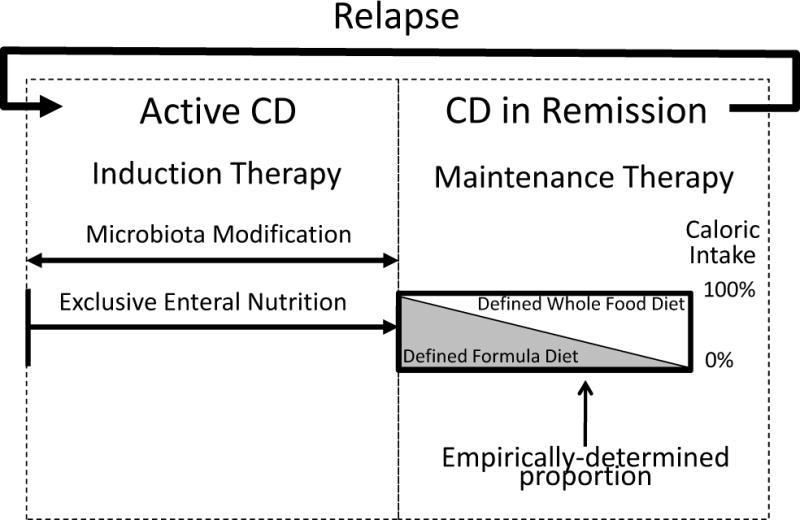
Some of the most common symptoms of the inflammatory bowel diseases (IBD, which include ulcerative colitis and Crohn's disease) are abdominal pain, diarrhea, and weight loss. It is therefore not surprising that clinicians and patients have wondered whether dietary patterns influence the onset or course of IBD. The question of what to eat is among the most commonly asked by patients, and among the most difficult to answer for clinicians. There are substantial variations in dietary behaviors of patients and recommendations for them, although clinicians do not routinely endorse specific diets for patients with IBD. Dietary clinical trials have been limited by their inability to include a placebo control, contamination of study groups, and inclusion of patients receiving medical therapies. Additional challenges include accuracy of information on dietary intake, complex interactions between foods consumed, and differences in food metabolism among individuals. We review the roles of diet in the etiology and management of IBD based on plausible mechanisms and clinical evidence. Researchers have learned much about the effects of diet on the mucosal immune system, epithelial function, and the intestinal microbiome; these findings could have significant practical implications. Controlled studies of patients receiving enteral nutrition and observations made from patients on exclusion diets have shown that components of whole foods can have deleterious effects for patients with IBD. Additionally, studies in animal models suggested that certain nutrients can reduce intestinal inflammation. In the future, engineered diets that restrict deleterious components but supplement beneficial nutrients could be used to modify the luminal intestinal environment of patients with IBD; these might be used alone or in combination with immunosuppressive agents, or as salvage therapy for patients who do not respond or lose responsiveness to medical therapies. Stricter diets might be required to induce remission, and more sustainable exclusion diets could be used to maintain long-term remission.
Keywords: Diet; IBD; Pathogenesis; Therapy.
Copyright © 2015 AGA Institute. Published by Elsevier Inc. All rights reserved.
Figures
References
-
- Cosnes J, Gower-Rousseau C, Seksik P, et al. Epidemiology and natural history of inflammatory bowel diseases. Gastroenterology. 2011;140:1785–94. - PubMed
-
- Molodecky NA, Soon IS, Rabi DM, et al. Increasing incidence and prevalence of the inflammatory bowel diseases with time, based on systematic review. Gastroenterology. 2012;142:46–54e42. quiz e30. - PubMed
Publication types
MeSH terms
Grants and funding
LinkOut - more resources
Full Text Sources
Other Literature Sources
Medical
