


First insights into the microbial diversity in the omasum and reticulum of bovine using Illumina sequencing
- PMID: 25604266
- PMCID: PMC4543427
- DOI: 10.1007/s13353-014-0258-1
First insights into the microbial diversity in the omasum and reticulum of bovine using Illumina sequencing
Abstract
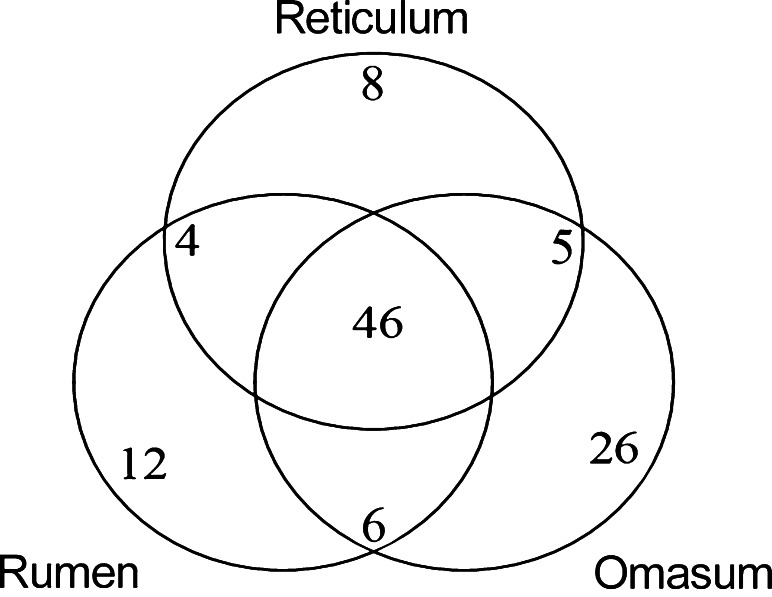
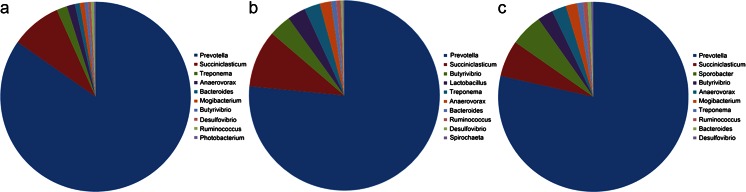
The digestive systems of mammals harbor a complex gut microbiome, comprising bacteria and other microorganisms that confer metabolic and immunological benefits to the host. Ruminants that digest plant-based foods have a four-compartment stomach consisting of the rumen, reticulum, omasum, and abomasum. The microorganisms in the stomach are essential for providing the host with critical nutrients. However, the majority of these microorganisms are unknown species. The microbiome of the stomach is diverse, and the majority of these organisms cannot be cultured. Next-generation sequencing (NGS) combined with bioinformatic analysis tools have allowed the dissection of the composition of the microbiome in samples collected from a specific environment. In this study, for the first time, the bacterial composition in two compartments, the reticulum and the omasum, of bovine were analyzed using a metagenomic approach and compared to the bacterial composition of the rumen. These data will assist in understanding the biology of ruminants and benefit the agricultural industry. The diversity and composition of the bacterial community in samples collected from the rumen, reticulum, and omasum of bovines in the Changchun Region of Northeast China were analyzed by sequencing the V3 region of the 16S rRNA gene using a barcoded Illumina paired-end sequencing technique, and the primary composition of the microbiome in the rumen, reticulum, and omasum of the bovines was determined. These microbiomes contained 17 phyla and 107 genera in all three samples. Five phyla, Bacteroidetes, Firmicutes, Proteobacteria, Spirochaetes, and Lentisphaerae, were the most abundant taxonomic groups. Additionally, the different stomach compartments harbored different compositions of the microorganisms.
Figures
References
-
- Avguštin G, Wallace RJ, Flint HJ. Phenotypic diversity among ruminal isolates of Prevotella ruminicola: proposal of Prevotella brevis sp. nov., Prevotella bryantii sp. nov., and Prevotella albensis sp. nov. and redefinition of Prevotella ruminicola. Int J Syst Bacteriol. 1997;47:284–288. doi: 10.1099/00207713-47-2-284. - DOI - PubMed
-
- Be NA, Allen JE, Brown TS, Gardner SN, McLoughlin KS, Forsberg JA, Kirkup BC, Chromy BA, Luciw PA, Elster EA, Jaing CJ. Microbial profiling of combat wound infection through detection microarray and next-generation sequencing. J Clin Microbiol. 2014;52:2583–2594. doi: 10.1128/JCM.00556-14. - DOI - PMC - PubMed
MeSH terms
Substances
LinkOut - more resources
Full Text Sources
Other Literature Sources
