


Oxidative stress and autophagy: crucial modulators of kidney injury
- PMID: 25613291
- PMCID: PMC4803795
- DOI: 10.1016/j.redox.2015.01.001
Oxidative stress and autophagy: crucial modulators of kidney injury
Abstract
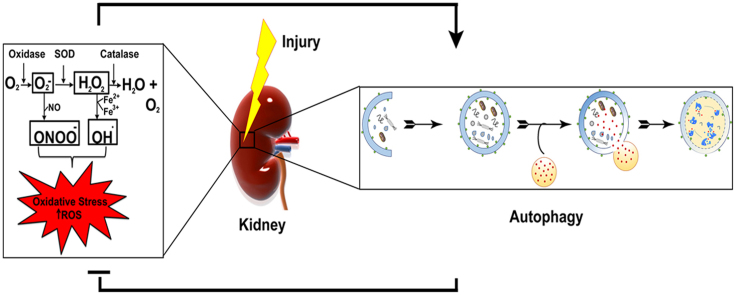
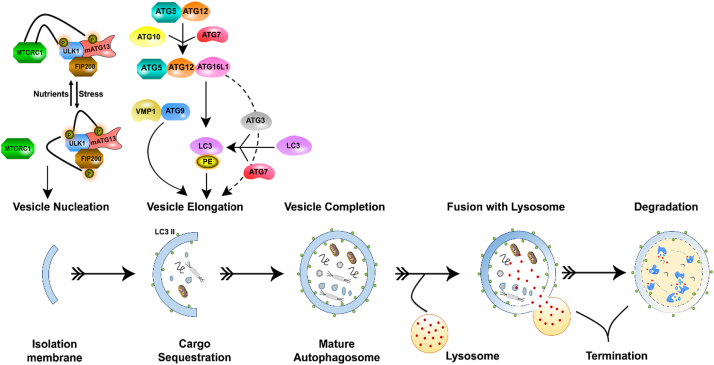
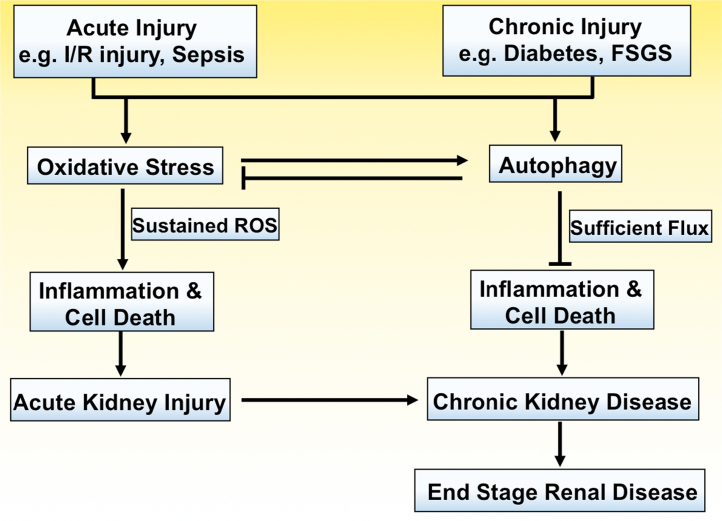
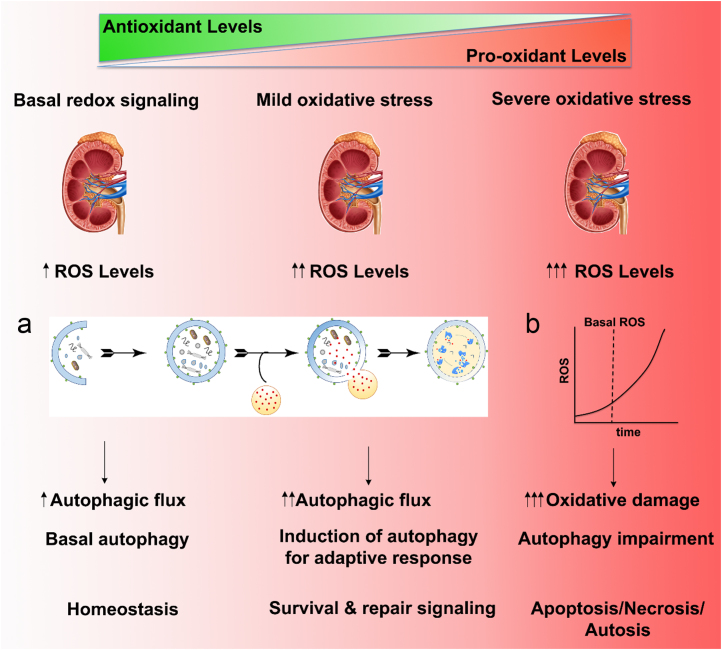
Both acute kidney injury (AKI) and chronic kidney disease (CKD) that lead to diminished kidney function are interdependent risk factors for increased mortality. If untreated over time, end stage renal disease (ESRD) is an inevitable outcome. Acute and chronic kidney diseases occur partly due to imbalance between the molecular mechanisms that govern oxidative stress, inflammation, autophagy and cell death. Oxidative stress refers to the cumulative effects of highly reactive oxidizing molecules that cause cellular damage. Autophagy removes damaged organelles, protein aggregates and pathogens by recruiting these substrates into double membrane vesicles called autophagosomes which subsequently fuse with lysosomes. Mounting evidence suggests that both oxidative stress and autophagy are significantly involved in kidney health and disease. However, very little is known about the signaling processes that link them. This review is focused on understanding the role of oxidative stress and autophagy in kidney diseases. In this review, we also discuss the potential relationships between oxidative stress and autophagy that may enable the development of better therapeutic intervention to halt the progression of kidney disease and promote its repair and resolution.
Keywords: Autophagy; Inflammation cell death; Kidney disease; Kidney injury; Oxidative stress.
Copyright © 2015 The Authors. Published by Elsevier B.V. All rights reserved.
Figures
References
-
- National Kidney and Urologic Diseases Information Clearinghouse (NKUDIC): Kidney Disease Statistics for the United States, 2012 http://kidney.niddk.nih.gov/kudiseases/pubs/kustats/KU_Diseases_Stats_508.pdf
Publication types
MeSH terms
Substances
Grants and funding
LinkOut - more resources
Full Text Sources
Other Literature Sources
Medical
