. 2015 Feb 4;85(3):602-14.
doi: 10.1016/j.neuron.2014.12.050. Epub 2015 Jan 22.

Orbitofrontal cortex uses distinct codes for different choice attributes in decisions motivated by curiosity

Affiliations

Orbitofrontal cortex uses distinct codes for different choice attributes in decisions motivated by curiosity

Tommy C Blanchard et al. Neuron. .

Abstract

Decision makers are curious and consequently value advance information about future events. We made use of this fact to test competing theories of value representation in area 13 of orbitofrontal cortex (OFC). In a new task, we found that monkeys reliably sacrificed primary reward (water) to view advance information about gamble outcomes. While monkeys integrated information value with primary reward value to make their decisions, OFC neurons had no systematic tendency to integrate these variables, instead encoding them in orthogonal manners. These results suggest that the predominant role of the OFC is to encode variables relevant for learning, attention, and decision making, rather than integrating them into a single scale of value. They also suggest that OFC may be placed at a relatively early stage in the hierarchy of information-seeking decisions, before evaluation is complete. Thus, our results delineate a circuit for information-seeking decisions and suggest a neural basis for curiosity.


Figures

Figure 1
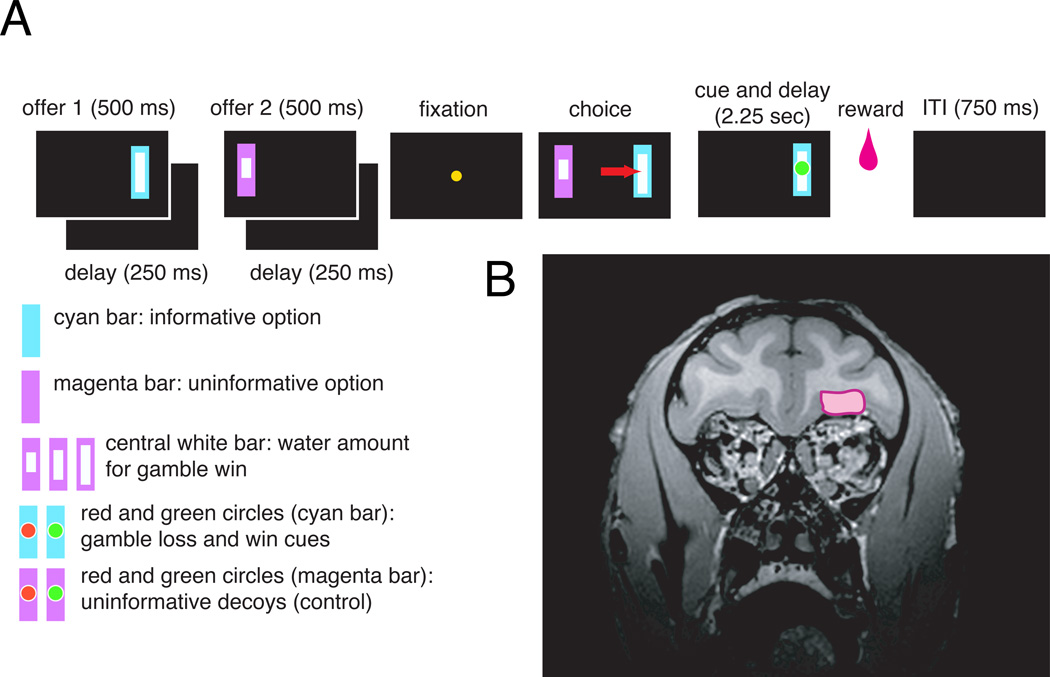
Figure 1. Task design and recording location
A. Basic task design. Two offers were presented in sequence, followed by a blank period. The monkey then had to fixate a central target. The two options then reappeared and the monkey chose one with a gaze shift. Then a cue appeared which was either informative (indicating whether the trial would be rewarded) or uninformative (leaving the monkey in a state of uncertainty). Following a 2.25 second delay, the monkey obtained the outcome. Cyan and magenta bars indicated informative and uninformative options, respectively. An inscribed white rectangle indicated gamble stakes. An inscribed red or green circle was the cue. B. MRI indicating position of 13m (see Figure S1 for a more detailed figure).
Figure 2
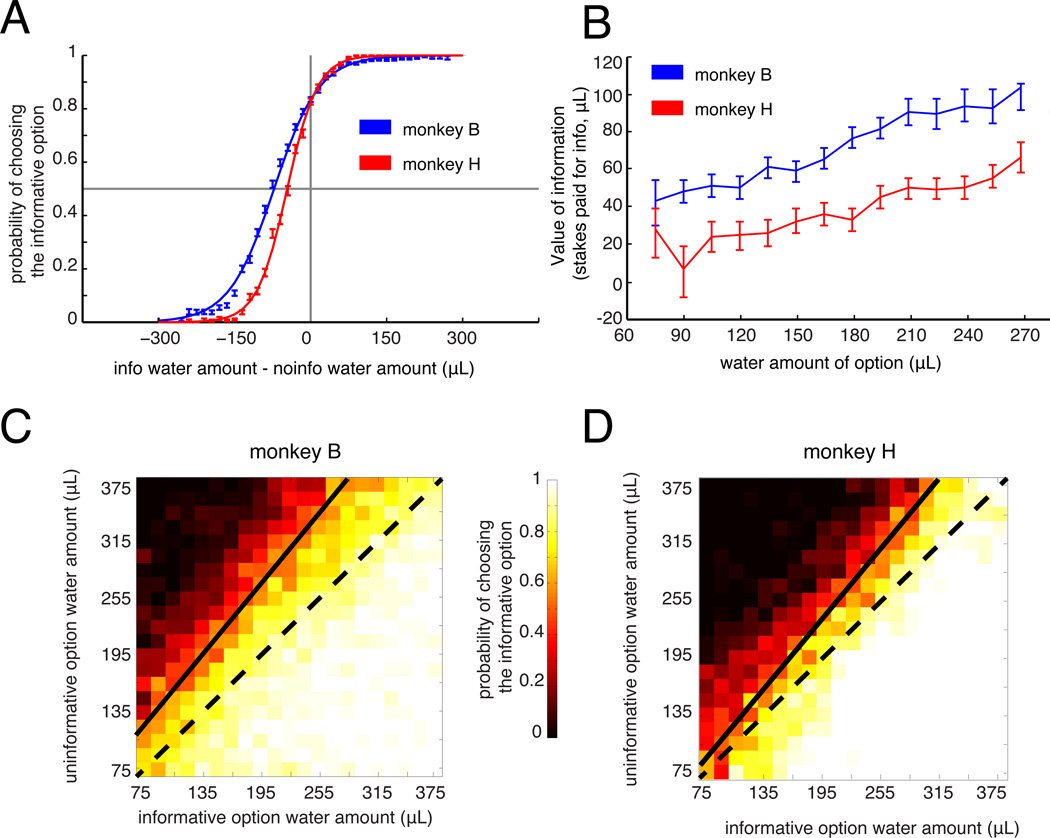
Figure 2. Monkeys pay for information about future rewards
A. Monkey preference for the informative option as a function of the water amount difference between the informative and uninformative options. Error bars indicate standard error. B. The subjective value of information (i.e. the amount of offered stakes the monkey paid to gain the information) as a function of offered water amount. Error bars indicate 95% confidence intervals. C&D. Heatmap, showing preference for the informative option as a function of the water amount of the informative and uninformative options. Black line indicates the indifference curve, indicating the indifference points of the animal (i.e. when preference for the two options is equivalent)
Figure 3
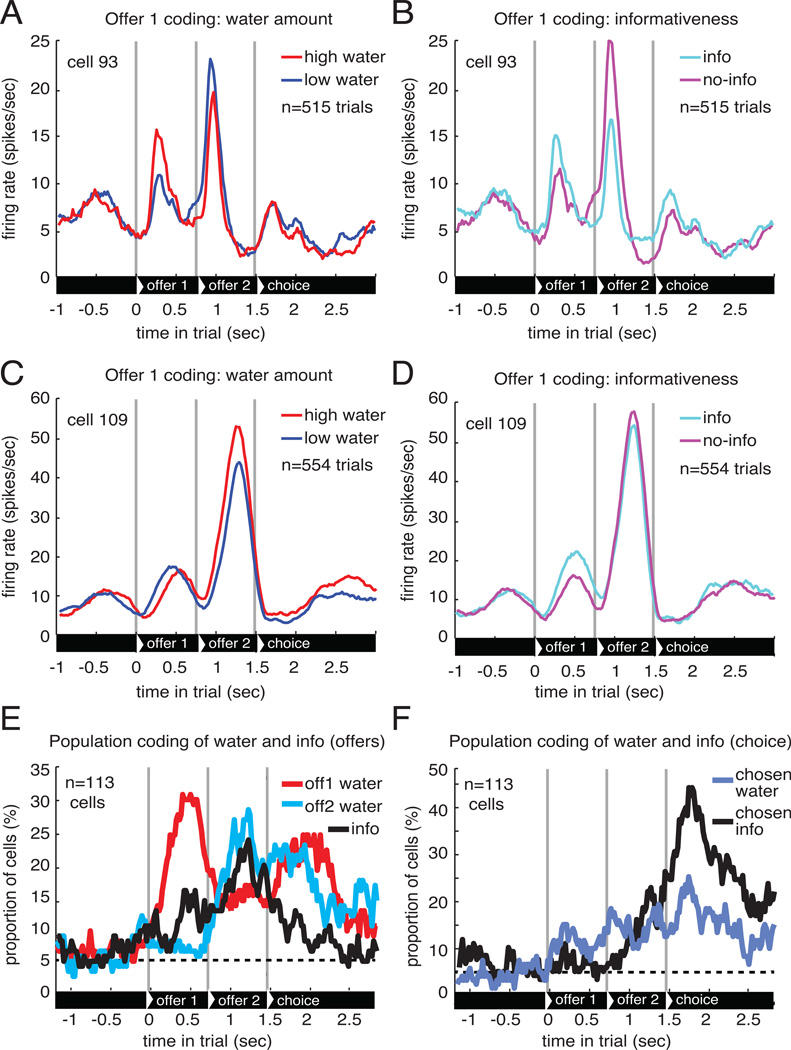
Figure 3. OFC neurons signal offered water amount and informativeness
A–D. PSTHs of two example neurons, showing (A&C) responses to first offers with different water amounts and (B&D) responses to first offers with different informativeness. E. Percentage of cells showing significant correlation between firing rate and the water amounts of the two offers as well as the informativeness of the offers (note that there is only one 'informativeness' variable here because if the first offer was informative the second offer was always non-informative, and vice versa). Dashed line indicates the percent of significant cells expected by chance. F. Percentage of cells showing significant correlation between firing rate and the chosen offer's water amount and informativeness.
Figure 4
Figure 4. OFC neurons signal both offers in similar manners
A&B. The correlation between each neuron’s regression coefficients for (A) water amount and (B) informativeness for the two offers. Black lines indicate the line of best fit (linear regression). Red points are neurons that significantly encode the variable for offer 1, black significantly encode the variable for offer 2, purple significantly encode both, and grey fail to reach significance for either. Error bars indicate standard error of estimated regression coefficients. C. Correlation between the regression coefficients (± 1 SE).
Figure 5
Figure 5. OFC information signals grow with the value of information
A–B. An example neuron that responded to Offer 1 with activity related to informativeness. The neural response (A) and mean firing rate (B) are plotted separately based on the offer's informativeness and water amount. In parallel with behavior, this neuron’s information-related activity was strongest f or high-stakes offers. Thus, this neuron had a negative main effect of Informativeness and a negative Informativeness × Water Amount interaction. C. Neural modulations by the (Info × Water) interaction (y-axis) were strongly correlated with coding of Info (x-axis). Each data point is a single neuron. Each neuron’s coding of these variables was measured using the average of its regression coefficients from independent analyses of Offer1 and Offer2; analyses of each individual offer gave similar results. Same format as Figure 4A–B. D. Neural modulations by the (Info × Water) interaction (y-axis) were not significantly correlated with coding of Water Amount (x-axis). E. Summary of results from C,D. The positive correlation between Interaction coding and Info coding indicates that neural information signals were larger for offers with high water amounts (black dot, *** indicates P < 0.001). However, water amount signals had no significant tendency to be larger for informative or non-informative offers (gray dot). The former correlation was significantly greater than the latter (** indicates that the difference between correlations had a bootstrap 99% confidence interval that excluded zero).
Figure 6
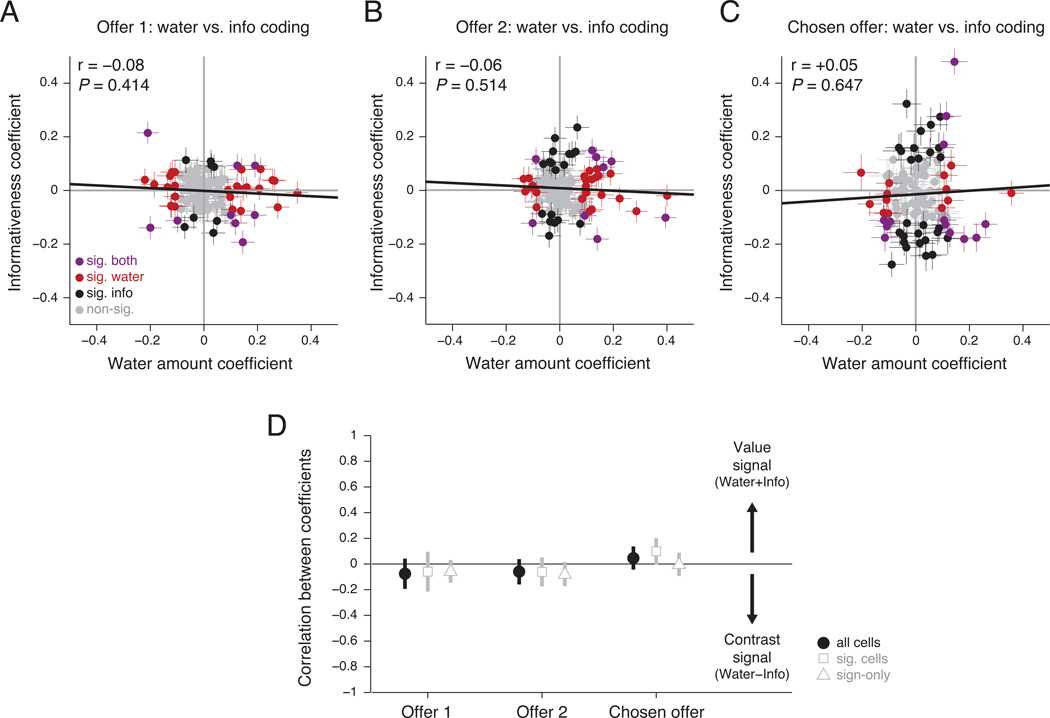
Figure 6. OFC neurons code water amount and information in uncorrelated manners
A–C. The correlation between each neuron’s regression coefficient for water amount and informativeness for (A) the first offer, (B) the second offer, and (C) the chosen offer. Panels follow a similar layout as Figure 4A–B. (D) Correlation between the regression coefficients (± 1 SE), calculated using all cells (black), cells with at least one significant effect (gray squares), or the signs of regression coefficients regardless of their magnitudes (gray triangles).
Figure 7
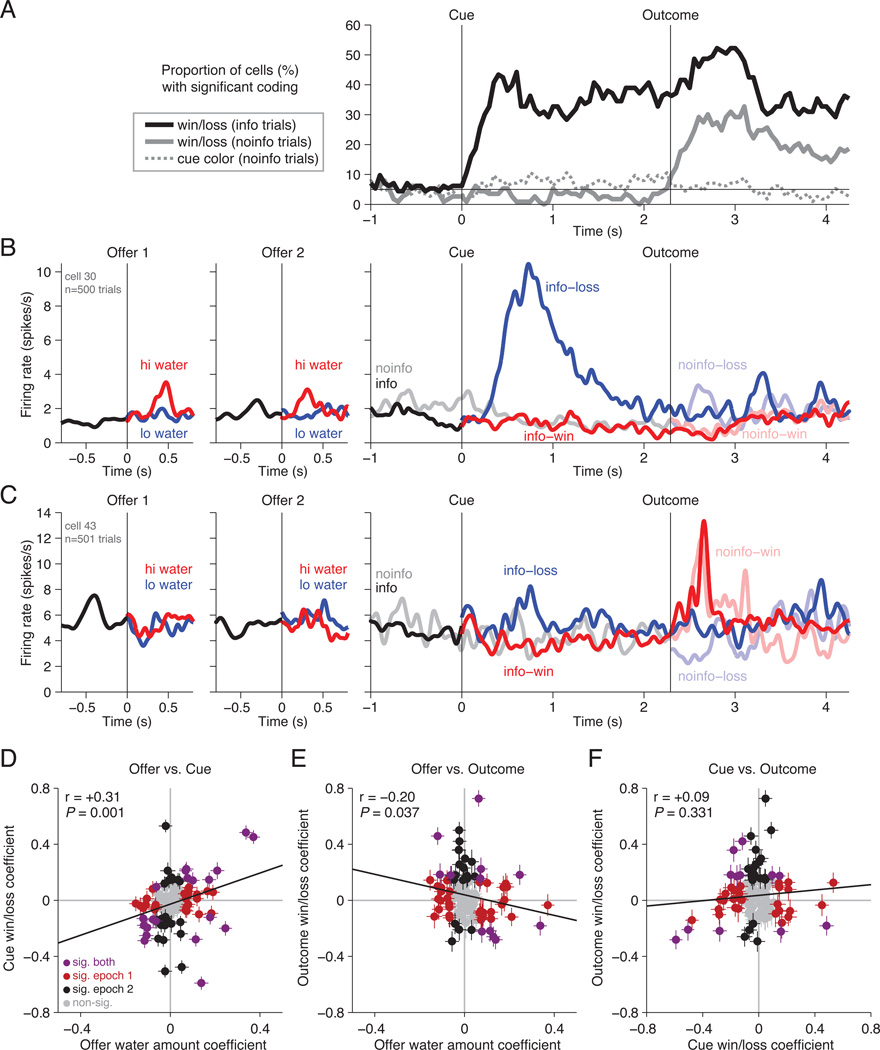
Figure 7. OFC neurons respond differently to outcome-related cues and outcomes themselves
A. Percentage of cells showing significant correlation between firing rate and the win/loss outcome of the gamble on informative trials (black) and uninformative trials (gray solid line), as well as the cue color of the non-informative cues (gray dashed line). Horizontal black line indicates chance levels. Neurons respond to informative cues but not uninformative cues. B. Example neuron that was excited by high-water offers but was also excited by cues and outcomes indicating a gamble loss. C. Example neuron that was excited by cues indicating a gamble loss but outcomes indicating a gamble win. D–F. The correlation between each neuron’s regression coefficients for (D) water amount and informative cue, (E) water amount and uninformed gamble outcome, and (F) informative cue and uninformed gamble outcome. Panels follow a similar layout as Figure 4A–B.

References

    1. Blanchard TC, Hayden BY. Neurons in Dorsal Anterior Cingulate Cortex Signal Postdecisional Variables in a Foraging Task. J. Neurosci. 2014;34:646–655. - PMC - PubMed
    1. Bouret S, Richmond BJ. Ventromedial and Orbital Prefrontal Neurons Differentially Encode Internally and Externally Driven Motivational Values in Monkeys. J. Neurosci. 2010;30:8591–8601. - PMC - PubMed
    1. Bromberg-Martin ES, Hikosaka O. Midbrain dopamine neurons signal preference for advance information about upcoming rewards. Neuron. 2009;63:119–126. - PMC - PubMed
    1. Bromberg-Martin ES, Hikosaka O. Lateral habenula neurons signal errors in the prediction of reward information. Nat. Neurosci. 2011;14:1209–1216. - PMC - PubMed
    1. Cai X, Padoa-Schioppa C. Neuronal Encoding of Subjective Value in Dorsal and Ventral Anterior Cingulate Cortex. J. Neurosci. 2012;32:3791–3808. - PMC - PubMed

Publication types

LinkOut - more resources