


Development of learning objectives for neurology in a veterinary curriculum: part II: postgraduates
- PMID: 25622644
- PMCID: PMC4323235
- DOI: 10.1186/s12917-014-0314-4
Development of learning objectives for neurology in a veterinary curriculum: part II: postgraduates
Abstract
Background: Specialization in veterinary medicine in Europe is organized through the Colleges of the European Board of Veterinary Specialization. To inform updating of the curriculum for residents of the European College of Veterinary Neurology (ECVN) job analysis was used. Defining job competencies of diploma holders in veterinary neurology can be used as references for curriculum design of resident training. With the support of the diplomates of the ECVN and the members of the European Society of Veterinary Neurology (ESVN) a mixed-method research, including a qualitative search of objectives and quantitative ranking with 149 Likert scale questions and 48 free text questions in 9 categories in a survey was conducted. In addition, opinions of different groups were subjected to statistical analysis and the result compared.
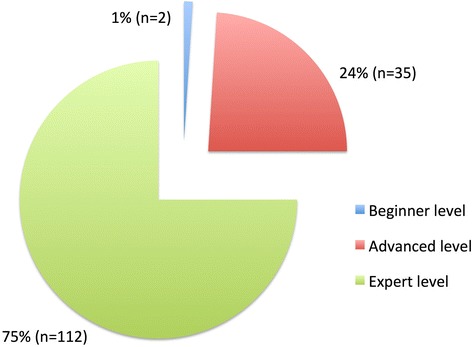
Results: A return rate of 62% (n = 213/341) was achieved. Of the competencies identified by the Delphi process, 75% objectives were expected to attain expert level; 24% attain advanced level; 1% entry level. In addition, the exercise described the 11 highly ranked competencies, the 3 most frequently seen diseases of the central and peripheral nervous systems and the most frequently used immunosuppressive, antiepileptic and chemotherapeutic drugs.
Conclusion: The outcomes of this "Delphi job analysis" provide a powerful tool to align the curriculum for ECVN resident training and can be adapted to the required job competencies, based on expectations. The expectation is that for majority of these competencies diplomates should attain an expert level. Besides knowledge and clinical skills, residents and diplomates are expected to demonstrate high standards in teaching and communication. The results of this study will help to create a European curriculum for postgraduate education in veterinary neurology.
Figures



References
-
- European Board of Veterinary Specialisation: Colleges of EBVS, 2013. http://www.ebvs.org/index.php/colleges2. Assecced January 5, 2013.
-
- European College of Veterinary Neurology: Constitution of ECVN, 2012. http://www.ecvn.org/ecvn/constitution.pdf. Accessed December 12, 2012.
MeSH terms
LinkOut - more resources
Full Text Sources
Other Literature Sources
