


Nephronophthisis and related syndromes
- PMID: 25635582
- PMCID: PMC4422489
- DOI: 10.1097/MOP.0000000000000194
Nephronophthisis and related syndromes
Abstract
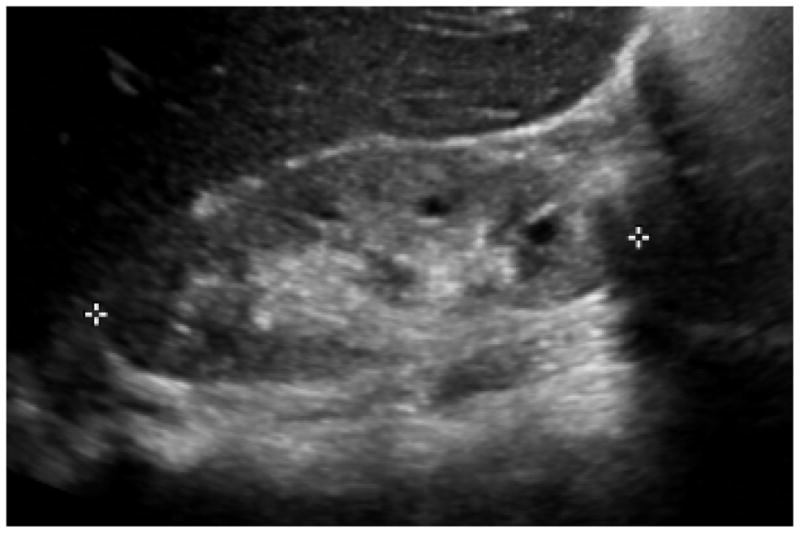
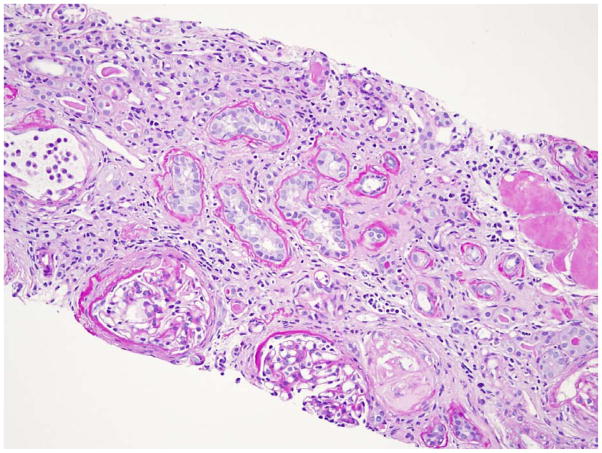
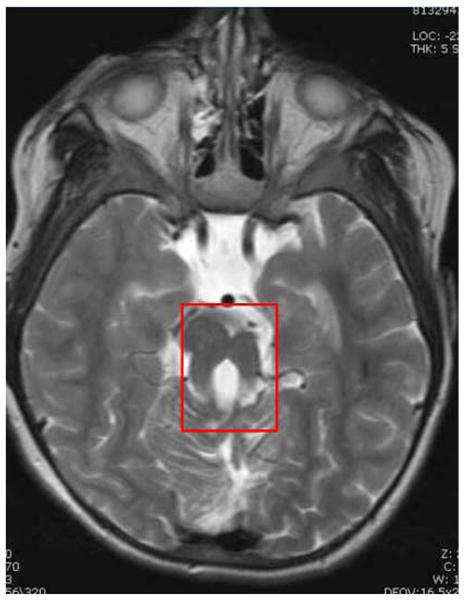
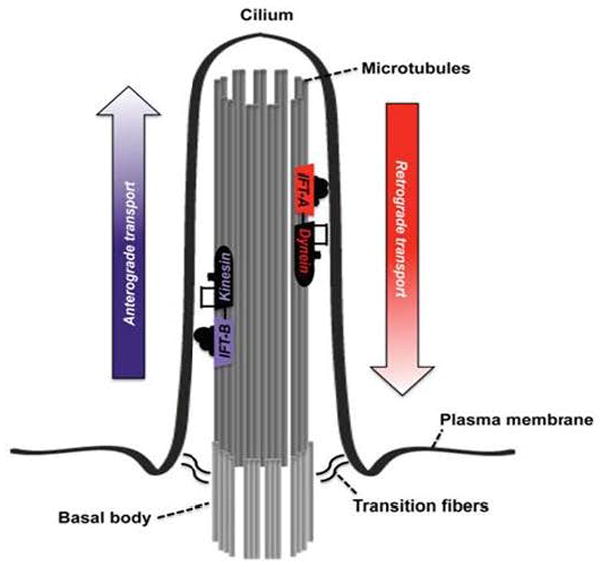
Purpose of review: Nephronophthisis (NPHP) is an autosomal recessive cystic kidney disease and is one of the most common genetic disorders causing end-stage renal disease (ESRD) in children and adolescents. NPHP is a genetically heterogenous disorder with 20 identified genes. NPHP occurs as an isolated kidney disease, but approximately 15% of NPHP patients have additional extrarenal symptoms affecting other organs [e.g. eyes, liver, bones and central nervous system (CNS)]. The pleiotropy in NPHP is explained by the finding that almost all NPHP gene products share expression in primary cilia, a sensory organelle present in most mammalian cells. If extrarenal symptoms are present in addition to NPHP, these disorders are classified as NPHP-related ciliopathies (NPHP-RC). This review provides an update about recent advances in the field of NPHP-RC.
Recent findings: The identification of novel disease-causing genes has improved our understanding of the pathomechanisms contributing to NPHP-RC. Multiple interactions between different NPHP-RC gene products have been published and outline the interconnectivity of the affected proteins and shared pathways.
Summary: The significance of recently identified genes for NPHP-RC is discussed and the complex role and interaction of NPHP proteins in ciliary function and cellular signalling pathways is highlighted.
Conflict of interest statement
None
Figures
References
Publication types
MeSH terms
Substances
Supplementary concepts
Grants and funding
LinkOut - more resources
Full Text Sources
Medical
Research Materials
