


Identification of a gene in Mycoplasma hominis associated with preterm birth and microbial burden in intraamniotic infection
- PMID: 25637842
- PMCID: PMC4457590
- DOI: 10.1016/j.ajog.2015.01.032
Identification of a gene in Mycoplasma hominis associated with preterm birth and microbial burden in intraamniotic infection
Abstract
Objective: Microbial invasion of the amniotic cavity is associated with spontaneous preterm labor and adverse pregnancy outcome, and Mycoplasma hominis often is present. However, the pathogenic process by which M hominis invades the amniotic cavity and gestational tissues, often resulting in chorioamnionitis and preterm birth, remains unknown. We hypothesized that strains of M hominis vary genetically with regards to their potential to invade and colonize the amniotic cavity and placenta.
Study design: We sequenced the entire genomes of 2 amniotic fluid isolates and a placental isolate of M hominis from pregnancies that resulted in preterm births and compared them with the previously sequenced genome of the type strain PG21. We identified genes that were specific to the amniotic fluid/placental isolates. We then determined the microbial burden and the presence of these genes in another set of subjects from whom samples of amniotic fluid had been collected and were positive for M hominis.
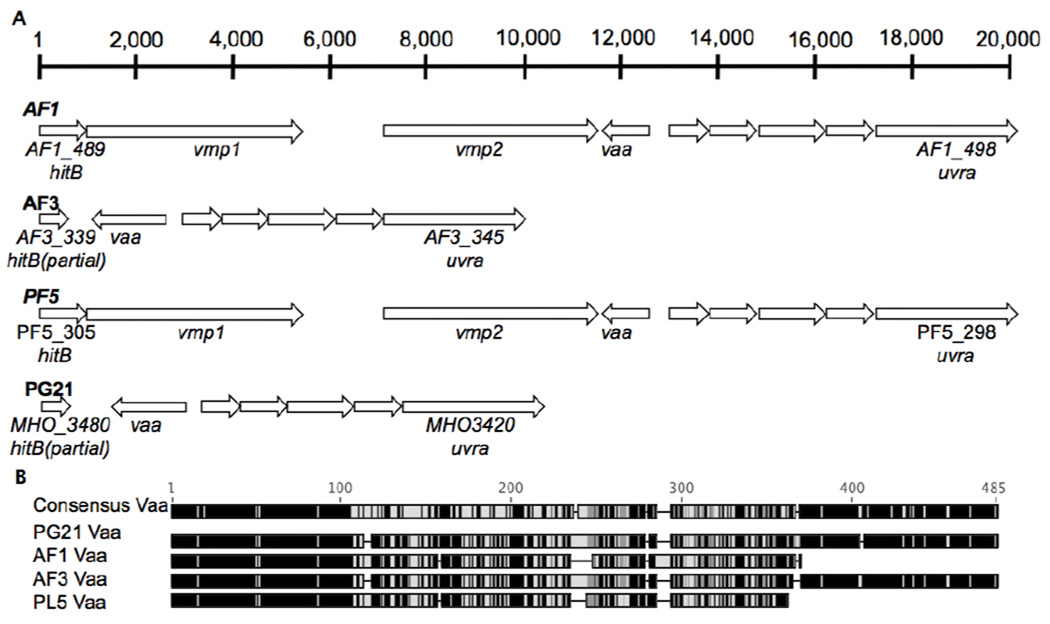
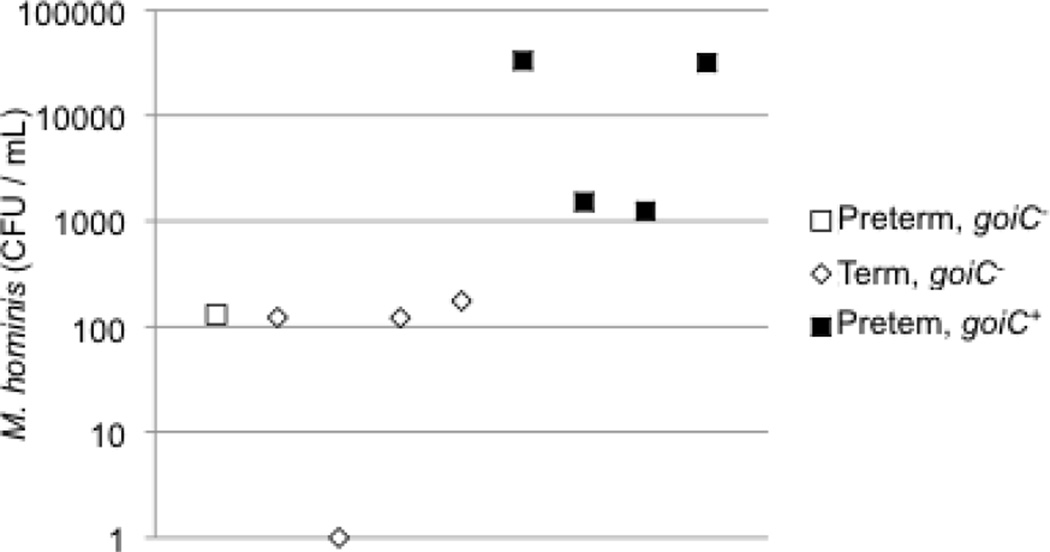
Results: We identified 2 genes that encode surface-located membrane proteins (Lmp1 and Lmp-like) in the sequenced amniotic fluid/placental isolates that were truncated severely in PG21. We also identified, for the first time, a microbial gene of unknown function that is referred to in this study as gene of interest C that was associated significantly with bacterial burden in amniotic fluid and the risk of preterm delivery in patients with preterm labor.
Conclusion: A gene in M hominis was identified that is associated significantly with colonization and/or infection of the upper reproductive tract during pregnancy and with preterm birth.
Keywords: chorioamnionitis; genital mycoplasmas; genome sequencing; microbial invasion of the amniotic cavity; pathogenicity.
Copyright © 2015 Elsevier Inc. All rights reserved.
Conflict of interest statement
Figures


References
-
- Thorsen P, Jensen IP, Jeune B, et al. Few microorganisms associated with bacterial vaginosis may constitute the pathologic core: a population-based microbiologic study among 3596 pregnant women. Am J Obstet Gynecol. 1998;178:580–587. - PubMed
-
- Kharsany AB, Hoosen AA, Moodley J. Bacterial vaginosis and lower genital tract infections in women attending out-patient clinics at a tertiary institution serving a developing community. J Obstet Gynaecol. 1997;17:171–175. - PubMed
-
- Aaltone R, Jalava J, Laurikainen E, Karkkainen U, Alanen A. Cervical Ureaplasma urealyticum colonization: comparison of PCR and culture for its detection and association with preterm birth. Scand J Infect Dis. 2002;34:35–40. - PubMed
-
- Breugelmans M, Vancutsem E, Naessens A, Laubach M, Foulon W. Association of abnormal vaginal flora and Ureaplasma species as risk factors for preterm birth: a cohort study. Acta Obstet Gynecol Scand. 2010;89:256–260. - PubMed
Publication types
MeSH terms
Grants and funding
LinkOut - more resources
Full Text Sources
Other Literature Sources
Molecular Biology Databases
