


Mucus Barriers to Microparticles and Microbes are Altered in Hirschsprung's Disease
- PMID: 25644515
- PMCID: PMC4494658
- DOI: 10.1002/mabi.201400473
Mucus Barriers to Microparticles and Microbes are Altered in Hirschsprung's Disease
Abstract
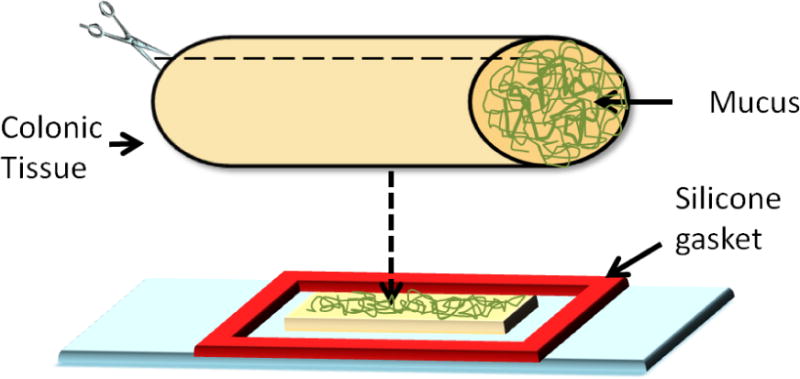
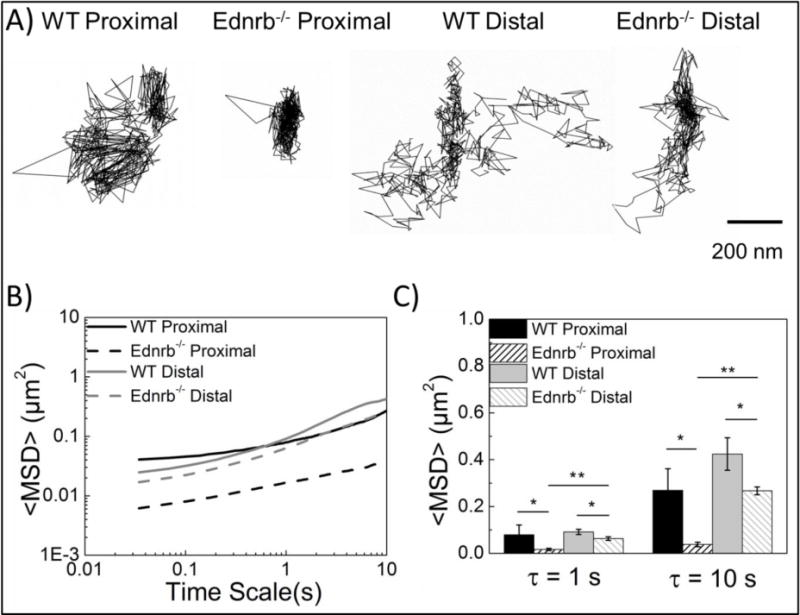
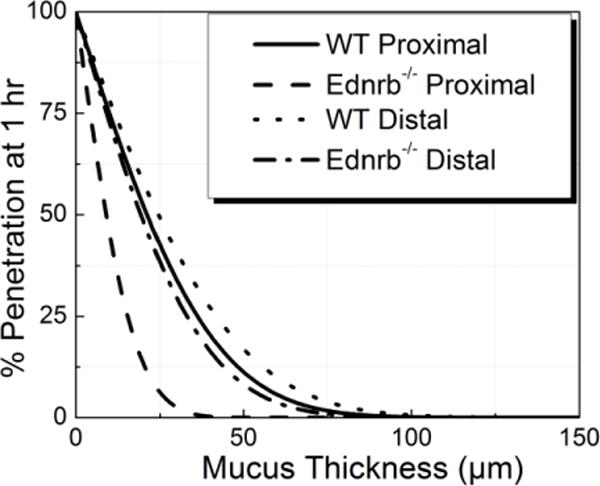
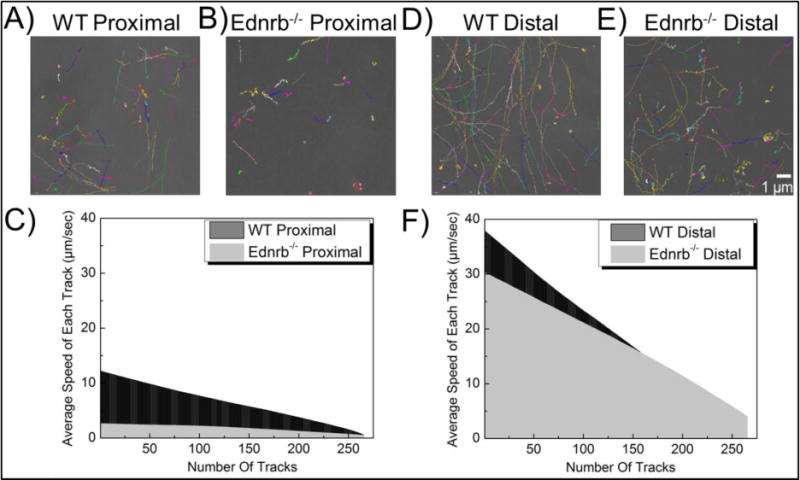
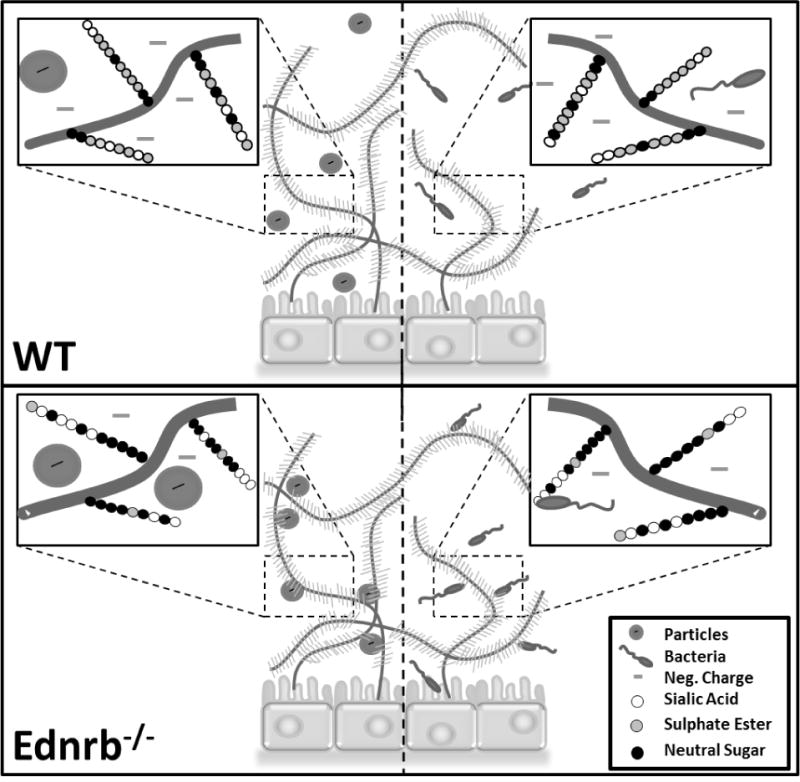
Mucus forms a protective hydrogel layer over the intestinal epithelium, presenting a selective and robust barrier to the uptake of particulates and microbe invasion. Disease can alter mucus production and composition, thus potentially modifying mucosal barrier properties. Hirschsprung's disease (HD) is a developmental abnormality of the nervous system often complicated by intestinal infection. An investigation of colonic mucus barrier properties in an HD animal model, endothelin receptor B mutant mice, revealed significantly reduced microsphere (passive) and microbe (active) transport rates (7-fold and 3.6-fold, respectively, in proximal colonic mucus) relative to wild-type. Transport differences were evident in both the ganglionic and aganglionic colon segments, in agreement with the risk of HD-associated enterocolitis after surgery to remove aganglionic colon segments. The development of therapies aimed at altering colonic mucus barrier properties could be explored towards preventing the onset of enterocolitis in HD.
Keywords: Hirschsprung's disease; intestine; microbe transport; mucus; nanoparticle diffusion.
© 2015 WILEY-VCH Verlag GmbH & Co. KGaA, Weinheim.
Figures

References
Publication types
MeSH terms
Substances
Grants and funding
LinkOut - more resources
Full Text Sources
Other Literature Sources
