


The draft genome of Primula veris yields insights into the molecular basis of heterostyly
- PMID: 25651398
- PMCID: PMC4305239
- DOI: 10.1186/s13059-014-0567-z
The draft genome of Primula veris yields insights into the molecular basis of heterostyly
Abstract
Background: The flowering plant Primula veris is a common spring blooming perennial that is widely cultivated throughout Europe. This species is an established model system in the study of the genetics, evolution, and ecology of heterostylous floral polymorphisms. Despite the long history of research focused on this and related species, the continued development of this system has been restricted due the absence of genomic and transcriptomic resources.
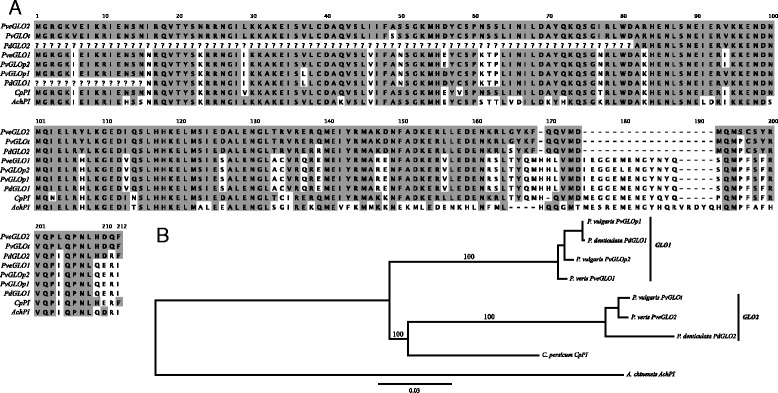
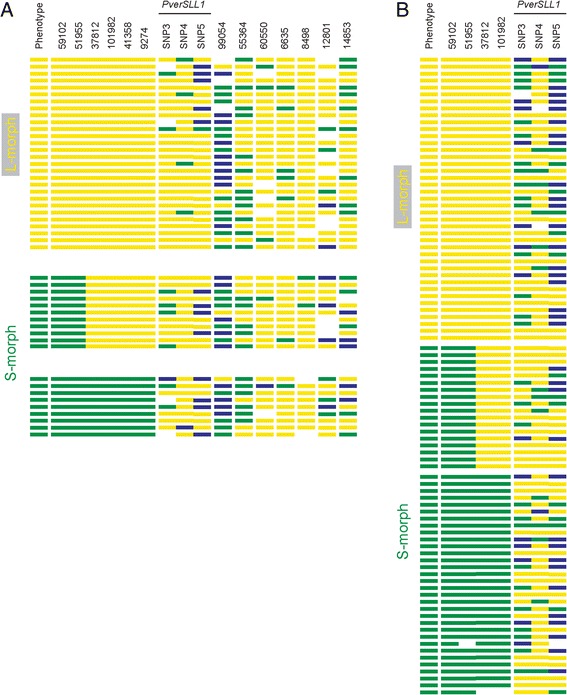
Results: We present here a de novo draft genome assembly of P. veris covering 301.8 Mb, or approximately 63% of the estimated 479.22 Mb genome, with an N50 contig size of 9.5 Kb, an N50 scaffold size of 164 Kb, and containing an estimated 19,507 genes. The results of a RADseq bulk segregant analysis allow for the confident identification of four genome scaffolds that are linked to the P. veris S-locus. RNAseq data from both P. veris and the closely related species P. vulgaris allow for the characterization of 113 candidate heterostyly genes that show significant floral morph-specific differential expression. One candidate gene of particular interest is a duplicated GLOBOSA homolog that may be unique to Primula (PveGLO2), and is completely silenced in L-morph flowers.
Conclusions: The P. veris genome represents the first genome assembled from a heterostylous species, and thus provides an immensely important resource for future studies focused on the evolution and genetic dissection of heterostyly. As the first genome assembled from the Primulaceae, the P. veris genome will also facilitate the expanded application of phylogenomic methods in this diverse family and the eudicots as a whole.
Figures
References
-
- Scheffers BR, Joppa LN, Pimm SL, Laurance WF. What we know and don’t know about Earth's missing biodiversity. Trends Ecol Evol. 2012;27:501–10. - PubMed
-
- Grant V. Pollination systems as isolating mechanisms in angiosperms. Evolution. 1949;3:82–97. - PubMed
-
- Crane PR, Friis EM, Pedersen KR. The origin and early diversification of angiosperms. Nature. 1995;374:27–33.
-
- Charlesworth D, Charlesworth B. Inbreeding depression and its evolutionary consequences. Annu Rev Ecol Syst. 1987;18:237–68.
-
- Wright SI, Ness RW, Foxe JP, Barrett SCH. Genomic consequences of outcrossing and selfing in plants. Int J Plant Sci. 2008;169:105–18.
Publication types
MeSH terms
LinkOut - more resources
Full Text Sources
Other Literature Sources
Molecular Biology Databases
Research Materials
Miscellaneous
