


Untimed Design Fluency in Aging and Alzheimer's Disease: Psychometrics and Normative Data
- PMID: 25679880
- PMCID: PMC4562678
- DOI: 10.1080/23279095.2014.940419
Untimed Design Fluency in Aging and Alzheimer's Disease: Psychometrics and Normative Data
Abstract
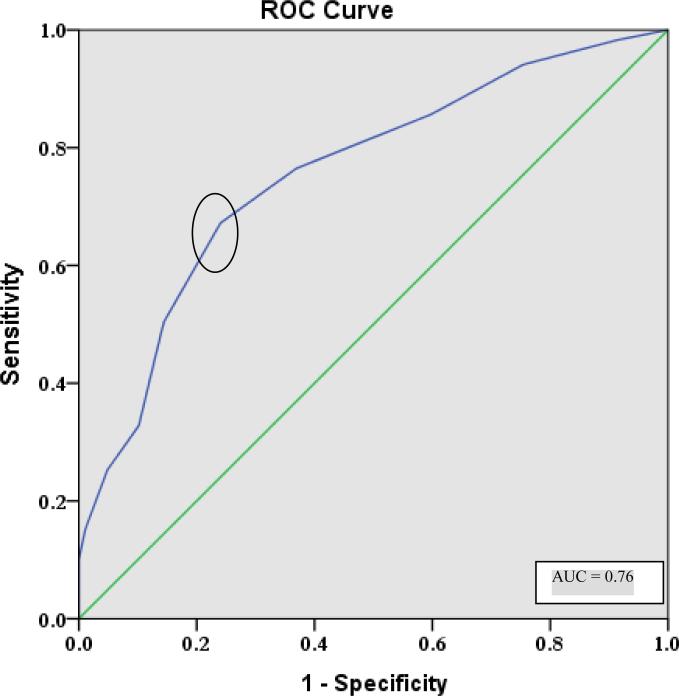
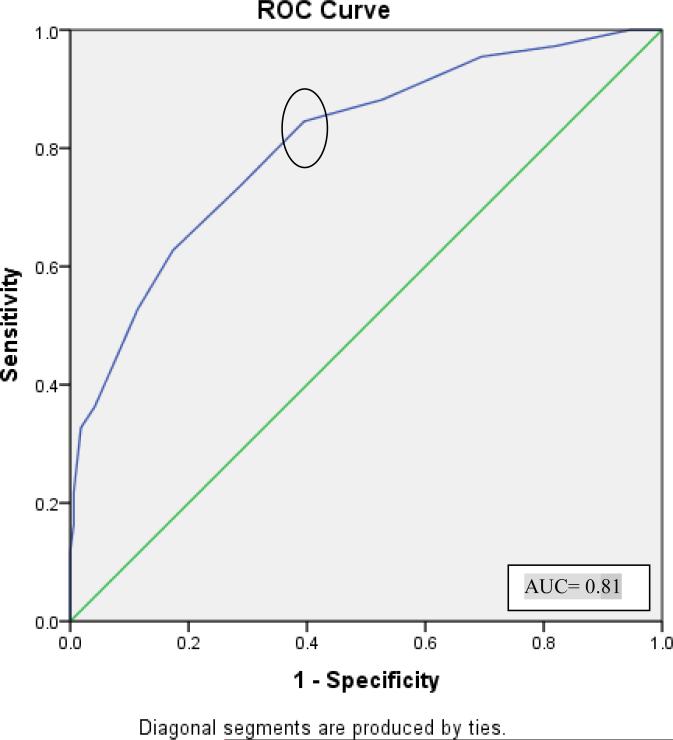
Design fluency tests, commonly used in both clinical and research contexts to evaluate nonverbal concept generation, have the potential to offer useful information in the differentiation of healthy versus pathological aging. Although normative data for older adults (OAs) are available for multiple timed versions of this test, similar data have been unavailable for a previously published untimed test, the Graphic Pattern Generation Test (GPG). Time constraints common to almost all of the available design fluency tests may cloud interpretation of higher-level executive abilities-for example, in individuals with slow processing speed. The current study examined the psychometric properties of the GPG and presents normative data in a sample of 167 healthy OAs and 110 individuals diagnosed with Alzheimer's disease (AD). Results suggest that a brief version of the GPG can be administered reliably and that this short form has high test-retest and interrater reliability. Number of perseverations was higher in individuals with AD as compared with OAs. A cutoff score of 4 or more perseverations showed a moderate degree of sensitivity (76%) and specificity (37%) in distinguishing individuals with AD and OAs. Finally, perseverations were associated with nonmemory indexes, thereby underscoring the nonverbal nature of this error in OAs and individuals with AD.
Keywords: Alzheimer’s disease; Graphic Pattern Generation Test; aging; design fluency; psychometric properties.
Figures
References
-
- Baldo JV, Shimamura AP, Delis DC, Kramer J, Kaplan E. Verbal and design fluency in patients with frontal lobe lesions. Journal of the International Neuropsychological Society. 2001;7(05):586–596. - PubMed
-
- Budson A, Sullivan A, Mayer E, Daffner K, Black P, Schacter D. Suppression of false recognition in Alzheimer's disease and in patients with frontal lobe lesions. Brain. 2002;125(12):2750–2765. - PubMed
-
- Davis KL, Price CC, Ball SF, Libon DJ. Error analysis of the CVLT-9. Age (in years) 1999;77:6.05.
MeSH terms
Grants and funding
LinkOut - more resources
Full Text Sources
Other Literature Sources
Medical
