


The Challenges and Opportunities Associated with Reimbursement for Obesity Pharmacotherapy in the USA
- PMID: 25686799
- PMCID: PMC4486408
- DOI: 10.1007/s40273-015-0264-0
The Challenges and Opportunities Associated with Reimbursement for Obesity Pharmacotherapy in the USA
Abstract
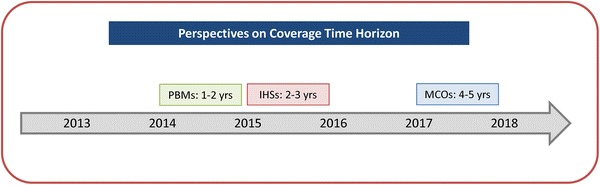
Obesity has become a serious public health problem that has stimulated primordial and primary prevention efforts, and a triad of management options (lifestyle, pharmacotherapy, and surgical interventions). A growing body of evidence supports the need for a multi-pronged, clinic-based approach that leverages the synergy between pharmaceutical and lifestyle modification. Recent US policy changes-namely, the passage of the Patient Protection and Affordable Care Act coupled with recognition of obesity as a disease by the American Medical Association-suggest that financial incentives and attitudes towards obesity management are changing. This paradigm shift has implications for current and future obesity pharmacotherapy. However, barriers to pharmacotherapy utilization include patient and physician perceptions of modest efficacy, historical safety issues, regulatory obstacles, and lack of reimbursement. The shifting attitudes and challenges associated not only with a multi-payer system, but also the lack of clearly defined cross-payer reimbursement strategies, prompted a survey to determine coverage for obesity treatment. Participants indicated that federal/state mandates and growth of quality-driven healthcare initiatives will eventually drive wider pharmacotherapy reimbursement within 1-5 years. There are signs that federal/state programs are already moving towards reimbursement by improving quality measures to track obesity outcomes and reduce costs. Future research on clinical and economic outcomes of combination weight-management programs coupled with innovative approaches (e.g., eHealth) in the real-world setting that demonstrate value to patients, healthcare providers, payers, and employers will help reshape obesity management by reducing barriers and broadening reimbursement coverage for anti-obesity pharmacotherapy.
Figures

References
-
- Jensen MD, Ryan DH, Apovian CM, Ard JD, Comuzzie AG, Donato KA, et al. 2013 AHA/ACC/TOS guideline for the management of overweight and obesity in adults: a report of the American College of Cardiology/American Heart Association Task Force on Practice Guidelines and The Obesity Society. Circulation. 2014;129(25 Suppl 2):S102–S138. doi: 10.1161/01.cir.0000437739.71477.ee. - DOI - PMC - PubMed
-
- Organization for Economic Co-operation and Development . Obesity and the economics of prevention. Geneva: Organization for Economic Co-operation and Development Publishing; 2010.
-
- Organization for the Economic Co-operation and Development. Obesity update. June 2014. June 2014. http://www.oecd.org/els/health-systems/Obesity-Update-2014.pdf. Accessed 29 July 2014.
Publication types
MeSH terms
Substances
LinkOut - more resources
Full Text Sources
Other Literature Sources
Medical
