


Sadness is unique: neural processing of emotions in speech prosody in musicians and non-musicians
- PMID: 25688196
- PMCID: PMC4311618
- DOI: 10.3389/fnhum.2014.01049
Sadness is unique: neural processing of emotions in speech prosody in musicians and non-musicians
Abstract
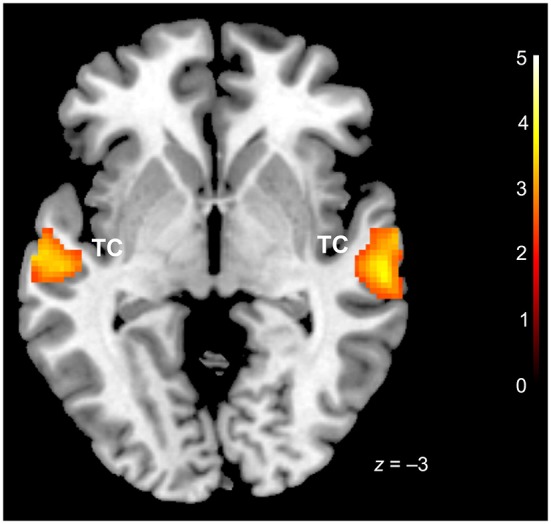
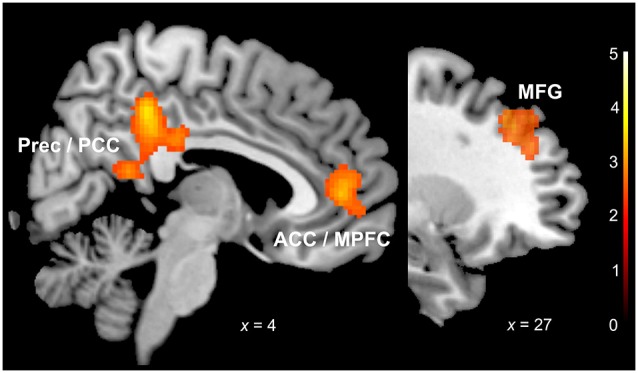
Musical training has been shown to have positive effects on several aspects of speech processing, however, the effects of musical training on the neural processing of speech prosody conveying distinct emotions are yet to be better understood. We used functional magnetic resonance imaging (fMRI) to investigate whether the neural responses to speech prosody conveying happiness, sadness, and fear differ between musicians and non-musicians. Differences in processing of emotional speech prosody between the two groups were only observed when sadness was expressed. Musicians showed increased activation in the middle frontal gyrus, the anterior medial prefrontal cortex, the posterior cingulate cortex and the retrosplenial cortex. Our results suggest an increased sensitivity of emotional processing in musicians with respect to sadness expressed in speech, possibly reflecting empathic processes.
Keywords: basic emotions; functional magnetic resonance imaging; language processing; musical training; prosody; temporal processing.
Figures
References
-
- Andrews F., Withey S. (1976). Social Indicators of Well-Being: Americans’ Perceptions of Life Quality. New York: Plenum Press.
LinkOut - more resources
Full Text Sources
Other Literature Sources
