. 2015 Feb 17;10(2):e0117874.
doi: 10.1371/journal.pone.0117874. eCollection 2015.

Classification of Beta-lactamases and penicillin binding proteins using ligand-centric network models

Affiliations

Classification of Beta-lactamases and penicillin binding proteins using ligand-centric network models

Hakime Öztürk et al. PLoS One. .

Abstract

β-lactamase mediated antibiotic resistance is an important health issue and the discovery of new β-lactam type antibiotics or β-lactamase inhibitors is an area of intense research. Today, there are about a thousand β-lactamases due to the evolutionary pressure exerted by these ligands. While β-lactamases hydrolyse the β-lactam ring of antibiotics, rendering them ineffective, Penicillin-Binding Proteins (PBPs), which share high structural similarity with β-lactamases, also confer antibiotic resistance to their host organism by acquiring mutations that allow them to continue their participation in cell wall biosynthesis. In this paper, we propose a novel approach to include ligand sharing information for classifying and clustering β-lactamases and PBPs in an effort to elucidate the ligand induced evolution of these β-lactam binding proteins. We first present a detailed summary of the β-lactamase and PBP families in the Protein Data Bank, as well as the compounds they bind to. Then, we build two different types of networks in which the proteins are represented as nodes, and two proteins are connected by an edge with a weight that depends on the number of shared identical or similar ligands. These models are analyzed under three different edge weight settings, namely unweighted, weighted, and normalized weighted. A detailed comparison of these six networks showed that the use of ligand sharing information to cluster proteins resulted in modules comprising proteins with not only sequence similarity but also functional similarity. Consideration of ligand similarity highlighted some interactions that were not detected in the identical ligand network. Analysing the β-lactamases and PBPs using ligand-centric network models enabled the identification of novel relationships, suggesting that these models can be used to examine other protein families to obtain information on their ligand induced evolutionary paths.


Conflict of interest statement

Competing Interests: The authors have declared that no competing interests exist.

Figures

Fig 1
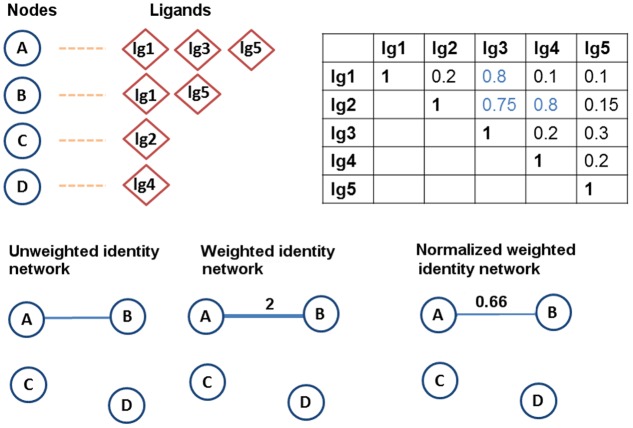
Fig 1. Example illustrating the creation of the identity network models.
A sample data set consisting of four proteins (A, B, C, D) shaped as circles and five ligands (lg1, lg2, lg3, lg4, lg5) shaped as diamonds. For each protein, the ligands that it binds to are given together. A sample Tanimoto coefficient (Tc) matrix is also provided for the ligand pairs. (The same example is used in the next figure.) In the identity networks, A and B are connected since they have two common ligands, lg1 and lg5. Only the weight of the edge between A and B changes depending on the weighting method used.
Fig 2
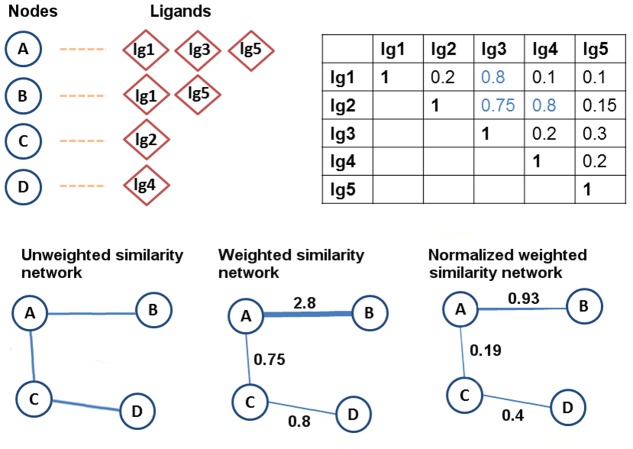
Fig 2. Example illustrating the creation of the similarity network models.
In the similarity networks, the proteins that bind to ligands whose pairwise similarities exceed the Tc 0.7 cut-off value are connected. Therefore, we have two new connections in the similarity network: C and D are connected due to the similarity between lg2 and lg4, and A and C are connected due to the similarity between lg2 and lg3. The edge weights between nodes change depending on the weighting method used.
Fig 3
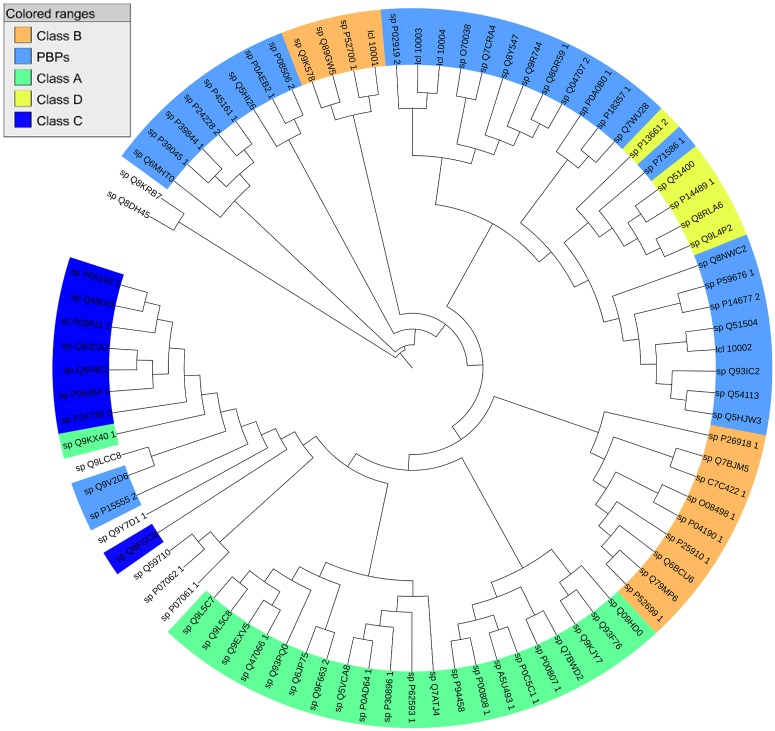
Fig 3. Multiple sequence alignment on the protein data set.
Multiple sequence alignment was performed on 86 proteins in the data set using COBALT [55]. The resulting phylogenetic tree is visualized using Interactive tree of life (ITOL) [56, 57] (Blue: PBPs, Green: Ambler Class A, Dark Blue: Ambler Class C, Yellow: Ambler Class D, Orange: Ambler Class B. Same coloring scheme is used in the next figure.)
Fig 4
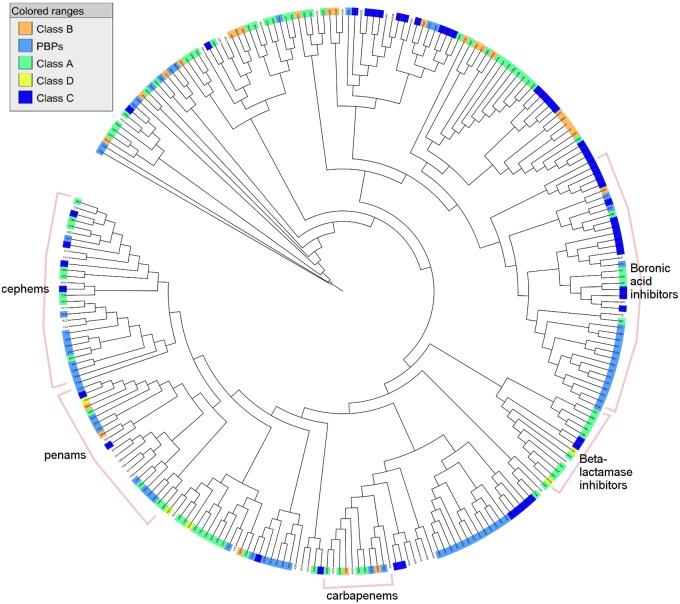
Fig 4. Hierarchical clustering on the ligand data set.
Average hierarchical clustering based on pairwise ligand similarity for 269 ligands is performed using ChemMine [58]. The phylogenetic tree representing the 269 ligands in our data set is visualized using ITOL [56, 57]. A ligand that binds to a specific class of proteins is colored with the corresponding color of that class. Uncolored parts indicate ligands that bind to proteins from different classes or ligands that bind to proteins with no pre-defined class.
Fig 5
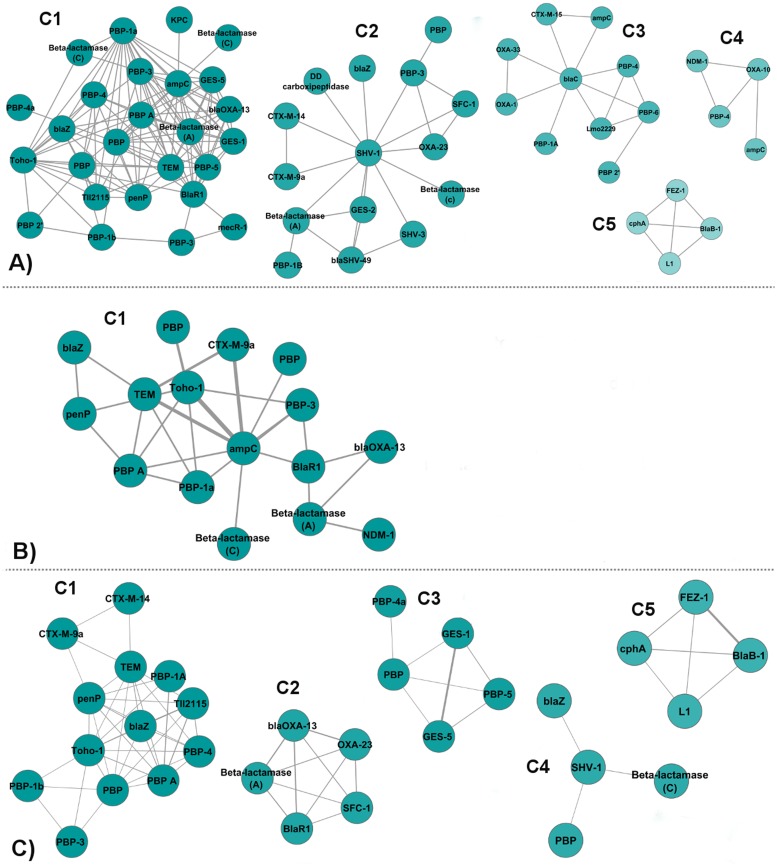
Fig 5. Communities in the identity networks.
(A) Clusters of Unweighted Identity Network. (B) Clusters of Weighted Identity Network. (C) Clusters of Normalized Weighted Identity Network. (Nodes are colored depending on the scores calculated by Markov Clustering Algorithm (MCL) after clustering. From blue to white, the scores of the nodes increase. The same coloring scheme is used in the other community display figures.)
Fig 6
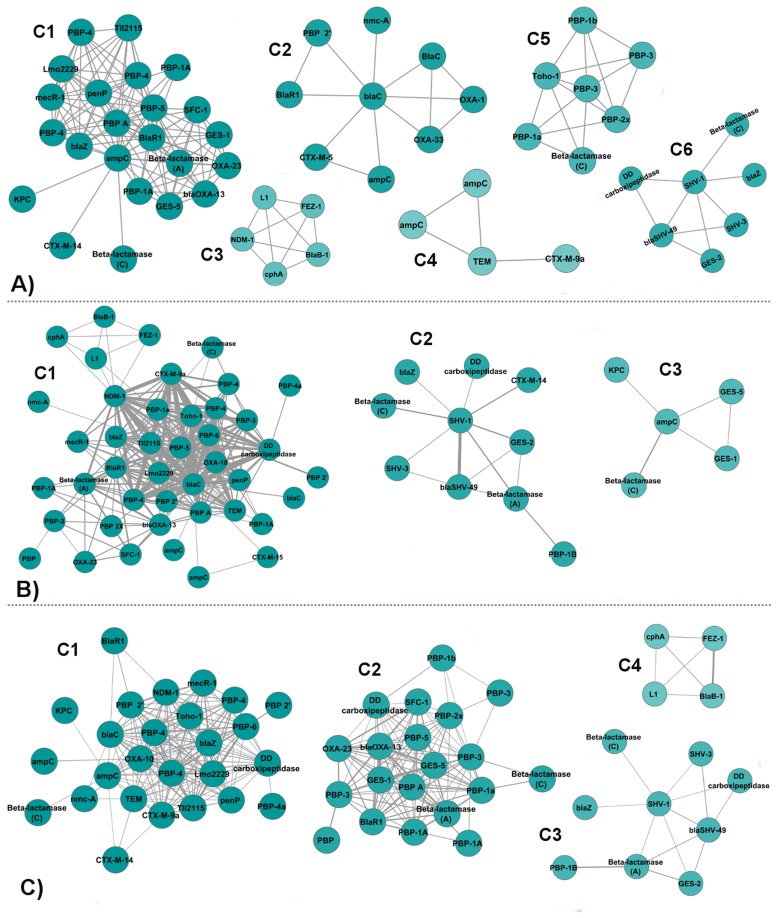
Fig 6. Communities in the similarity networks.
(A) Clusters of Unweighted Similarity Network. (B) Clusters of Weighted Similarity Network. (C) Clusters of Normalized Weighted Similarity Network.

References

    1. Livermore DM, Woodford N (2006) The beta-lactamase threat in enterobacteriaceae, pseudomonas and acinetobacter. Trends in Microbiology 14: 413–20. 10.1016/j.tim.2006.07.008 - DOI - PubMed
    1. Davies J, Davies D (2010) Origins and evolution of antibiotic resistance. Microbiology and Molecular Biology Reviews 74: 417–33. 10.1128/MMBR.00016-10 - DOI - PMC - PubMed
    1. Abraham EP, Chain E (1988) An enzyme from bacteria able to destroy penicillin. 1940. Reviews of Infectious Diseases 10: 677–8. - PubMed
    1. Orencia MC, Yoon JS, Ness JE, Stemmer WPC, Stevens RC (2001) Predicting the emergence of antibiotic resistance by directed evolution and structural analysis. Nature Structural and Molecular Biology 8: 238–242. 10.1038/84981 - DOI - PubMed
    1. Brown NG, Pennington JM, Huang W, Ayvaz T, Palzkill T (2010) Multiple global suppressors of protein stability defects facilitate the evolution of extended-spectrum tem beta-lactamases. Journal of Molecular Biology 404: 832–846. 10.1016/j.jmb.2010.10.008 - DOI - PMC - PubMed

Publication types