


Visceral white adipose tissue is susceptible to alcohol-induced lipodystrophy in rats: role of acetaldehyde
- PMID: 25703837
- PMCID: PMC5896300
- DOI: 10.1111/acer.12646
Visceral white adipose tissue is susceptible to alcohol-induced lipodystrophy in rats: role of acetaldehyde
Abstract
Background: Chronic alcohol exposure causes lipid dyshomeostasis at the adipose-liver axis, reducing lipid storage in white fat and increasing lipid deposit in the liver. Previous studies have shown that visceral fat, rather than subcutaneous fat, is a risk factor for metabolic diseases. This study was conducted to determine whether chronic alcohol exposure differentially affects lipid metabolism in visceral (epididymal) and subcutaneous fat, and the mechanisms underlying the alcohol effects.
Methods: Male Wistar rats were pair-fed the Lieber-DeCarli control or alcohol liquid diet for 12 weeks to determine the effects of alcohol on the white fat. Tissue explants culture and 3T3-L1 culture were conducted to define the role of acetaldehyde in alcohol-induced adipose tissue dysfunction.
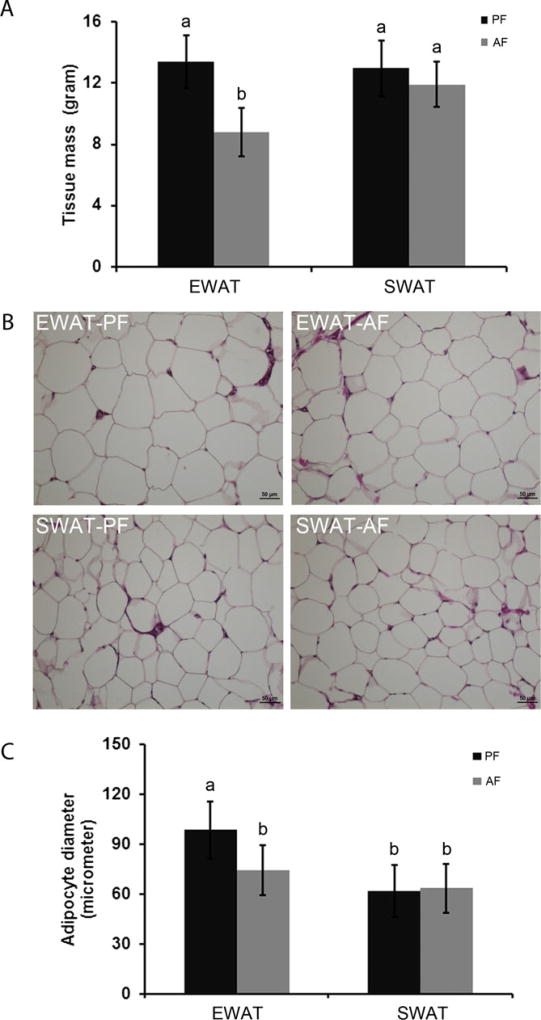
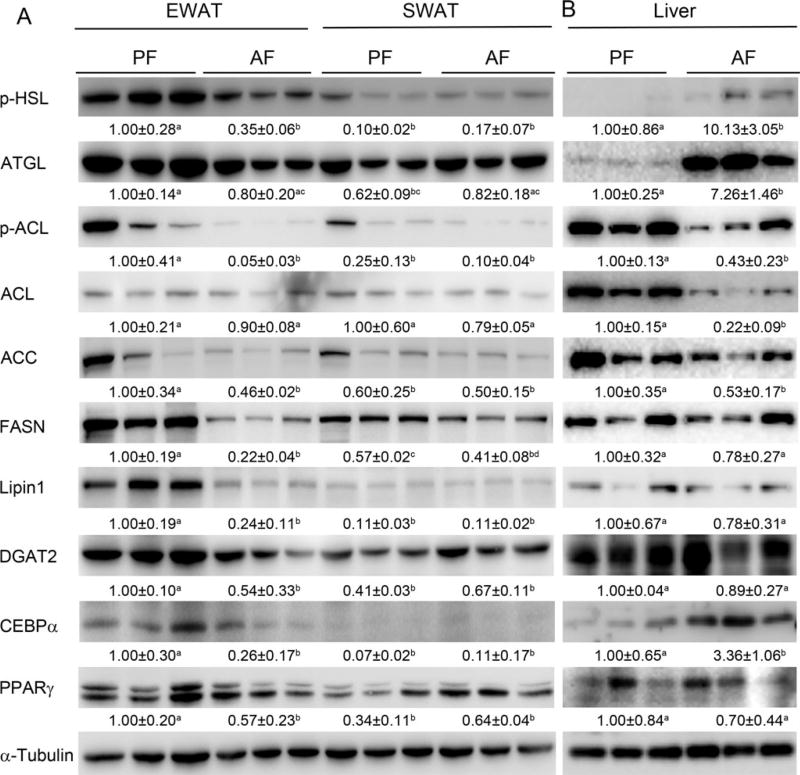
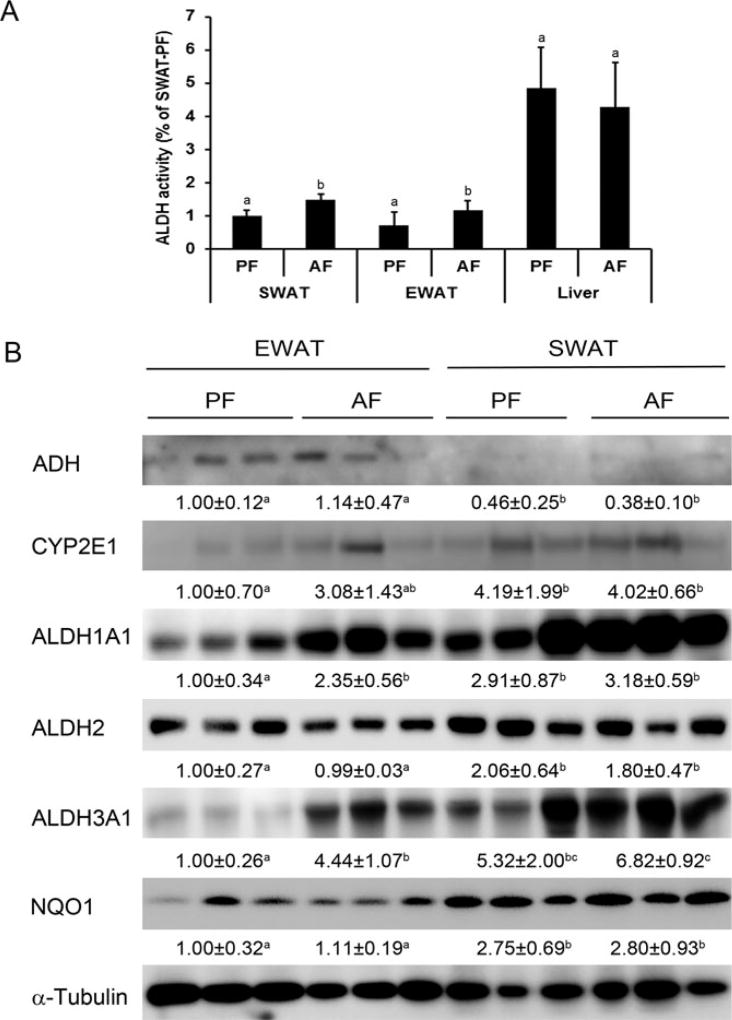
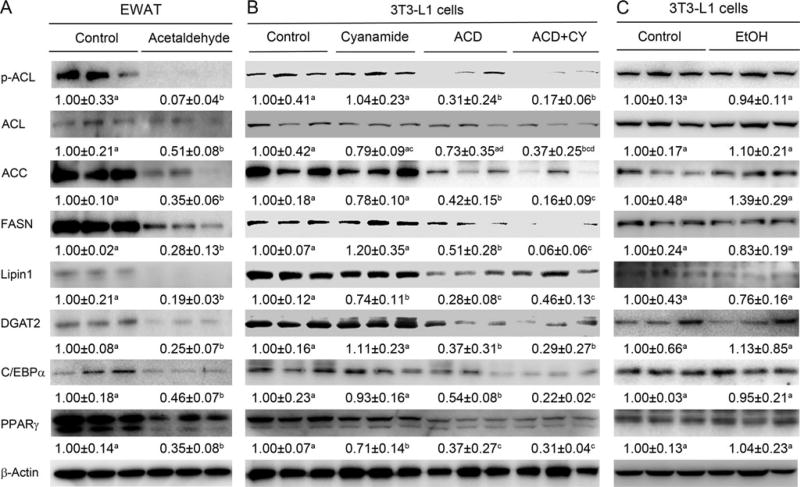
Results: Chronic alcohol feeding significantly reduced visceral fat mass and down-regulated peroxisome proliferator activator receptor-γ and CCAAT/enhancer binding protein-α, 2 important transcription factors in regulation of lipogenesis. The protein levels of lipogenic enzymes including phospho-ATP-citrate lyase, acetyl-CoA carboxylase, fatty acid synthase, lipin1, and diacylglycerol acyltransferase 2 in the visceral fat were reduced. In contrast, chronic alcohol exposure did not affect subcutaneous fat mass and had less effect on the protein levels of lipogenic enzymes and regulators. Accordingly, the visceral fat showed a lower protein level of aldehyde detoxification enzymes compared to the subcutaneous fat. Acetaldehyde treatment to either visceral fat explants or 3T3-L1 adipocytes produced similar effects on lipogenic enzymes and regulators as observed in animal model.
Conclusions: These results demonstrated that visceral fat is more susceptible to alcohol toxicity compared to subcutaneous fat, and disruption of adipose lipogenesis contributes to the pathogenesis of alcoholic lipodystrophy.
Keywords: Alcohol; Lipid Dyshomeostasis; Lipogenesis; Subcutaneous Fat; Visceral Fat; White Adipose Tissue.
Copyright © 2015 by the Research Society on Alcoholism.
Figures
References
-
- Addolorato G, Capristo E, Greco AV, Stefanini GF, Gasbarrini G. Energy expenditure, substrate oxidation, and body composition in subjects with chronic alcoholism: new findings from metabolic assessment. Alcohol Clin Exp Res. 1997;21:962–967. - PubMed
-
- Addolorato G, Capristo E, Greco AV, Stefanini GF, Gasbarrini G. Influence of chronic alcohol abuse on bodyweight and energy metabolism: is excess ethanol consumption a risk factor for obesity or malnutrition? J Intern Med. 1998;244:387–395. - PubMed
-
- Addolorato G, Capristo E, Marini M, Santini P, Scognamiglio U, Attilia ML, Messineo D, Sasso GF, Gasbarrini G, Ceccanti M. Body composition changes induced by chronic ethanol abuse: evaluation by dual energy X-ray absorptiometry. Am J Gastroenterol. 2000;95:2323–2327. - PubMed
-
- Bouchery EE, Harwood HJ, Sacks JJ, Simon CJ, Brewer RD. Economic costs of excessive alcohol consumption in the U.S., 2006. Am J Prev Med. 2011;41:516–524. - PubMed
-
- Britton KA, Fox CS. Ectopic fat depots and cardiovascular disease. Circulation. 2011;124:e837–e841. - PubMed
Publication types
MeSH terms
Substances
Grants and funding
LinkOut - more resources
Full Text Sources
Other Literature Sources
