


Environmental factors and WASH practices in the perinatal period in Cambodia: implications for newborn health
- PMID: 25711360
- PMCID: PMC4377908
- DOI: 10.3390/ijerph120302392
Environmental factors and WASH practices in the perinatal period in Cambodia: implications for newborn health
Abstract
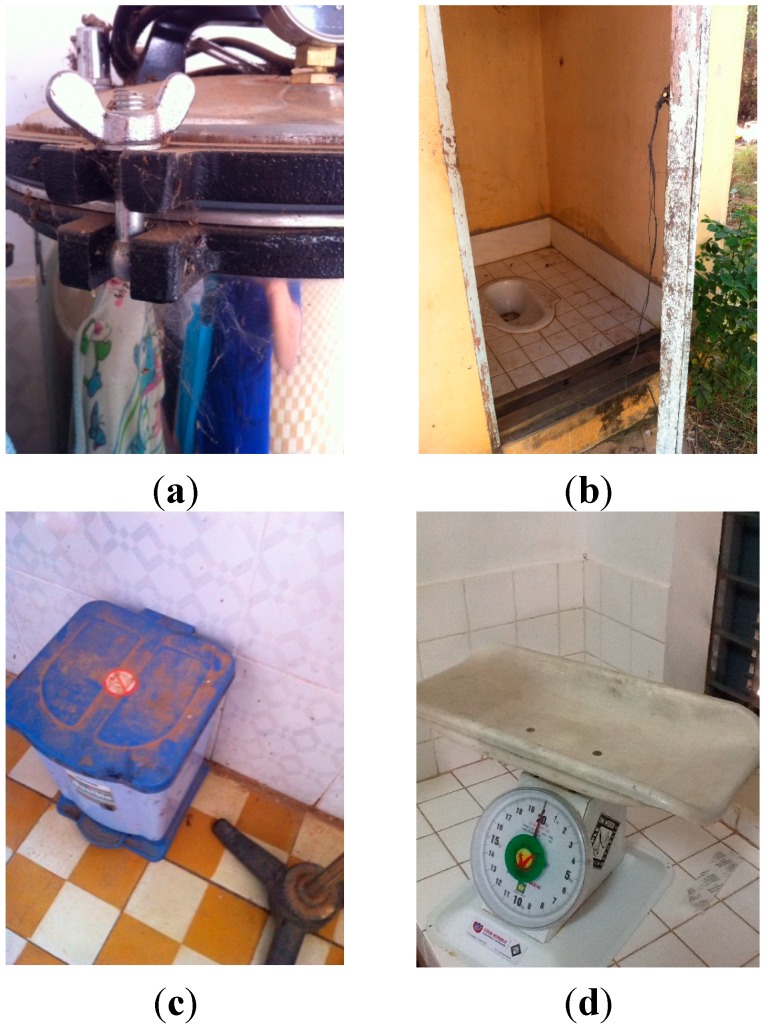
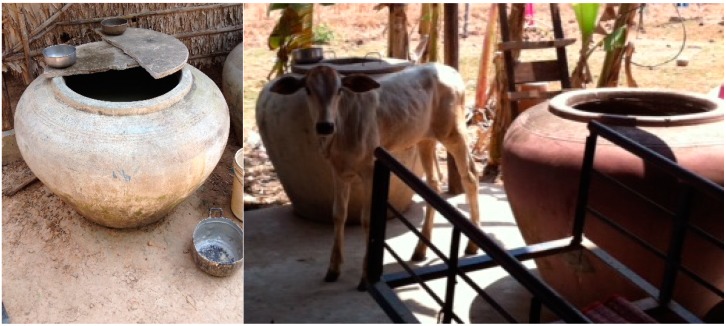
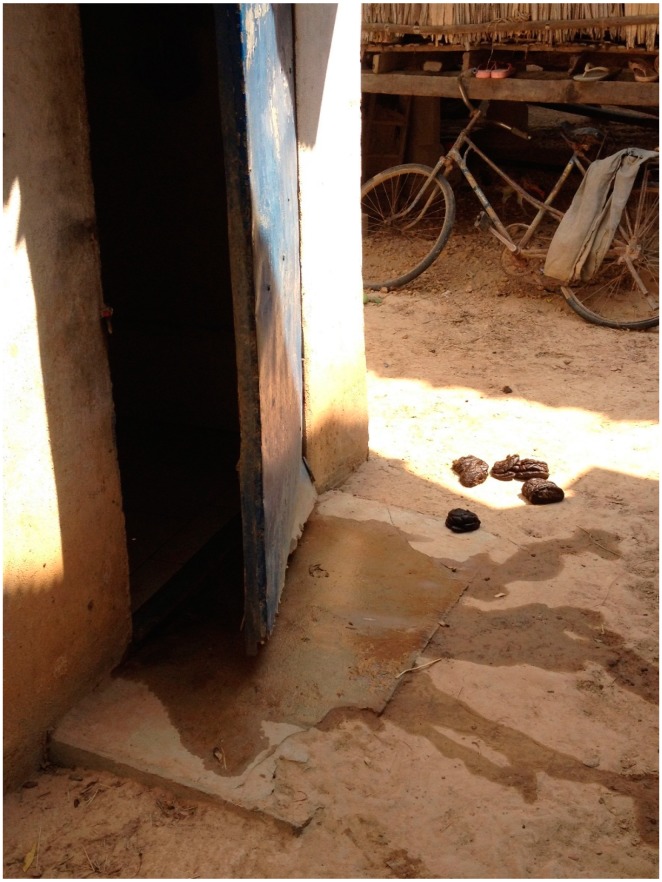
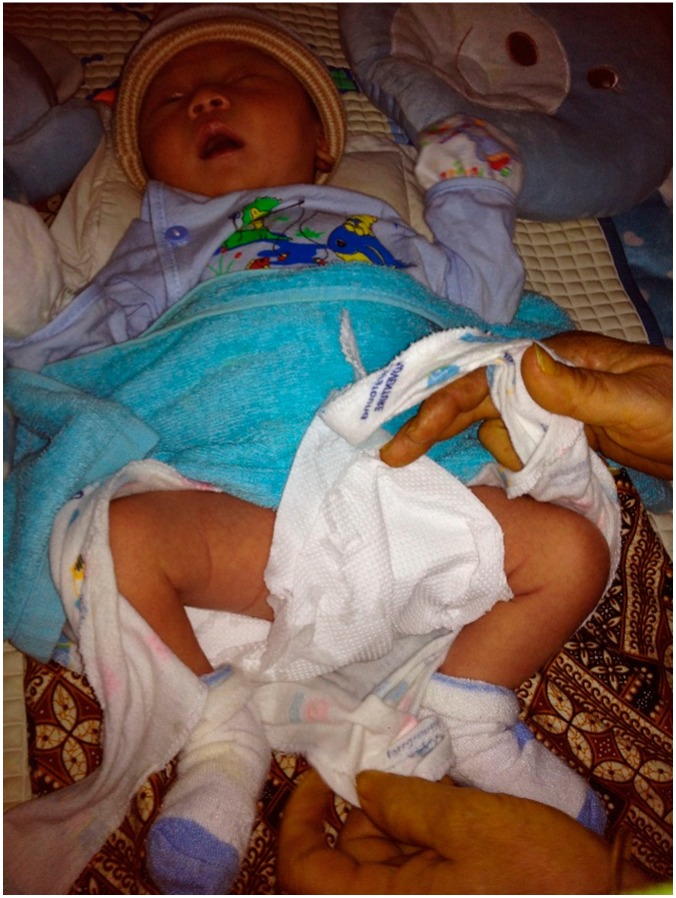
Infection contributes to a significant proportion of neonatal death and disability worldwide, with the major burden occurring in the first week of life. Environmental conditions and gaps in water, sanitation and hygiene (WASH) practices may contribute to the risk of infection, particularly in settings where health centers are expanding to meet the growing demand for skilled care at birth and homes do not have adequate access to water and sanitation. A qualitative approach was used to understand the environmental context for infection prevention and control (IPC) and WASH associated behaviors in health centers where women give birth, and in homes of newborns, in a rural Cambodian province. Structured observations and focus group discussions revealed important gaps in optimal practices, and both structural and social barriers to maintaining IPC during delivery and post-partum. Solutions are available to address the issues identified, and tackling these could result in marked environmental improvement for quality of care and neonatal outcomes. Water, sanitation and hygiene in home and health center environments are likely to be important contributors to health and should be addressed in strategies to improve neonatal survival.
Figures
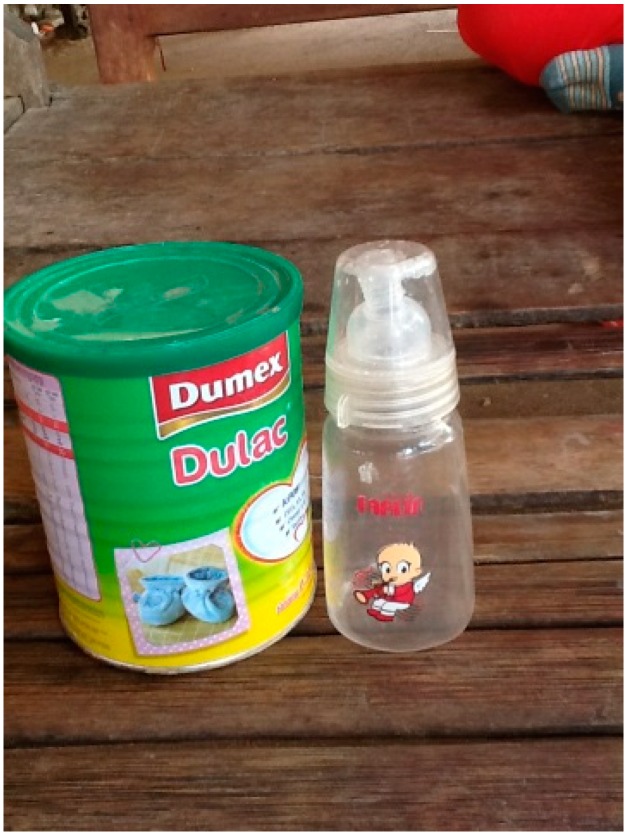
Similar articles
-
Water, sanitation, and hygiene (WASH) facilities and infection control/prevention practices in traditional birth homes in Southwest Nigeria.BMC Health Serv Res. 2021 Sep 3;21(1):912. doi: 10.1186/s12913-021-06911-5. BMC Health Serv Res. 2021. PMID: 34479549 Free PMC article.
-
A Qualitative Study of Barriers to Accessing Water, Sanitation and Hygiene for Disabled People in Malawi.PLoS One. 2016 May 12;11(5):e0155043. doi: 10.1371/journal.pone.0155043. eCollection 2016. PLoS One. 2016. PMID: 27171520 Free PMC article.
-
From menarche to menopause: A population-based assessment of water, sanitation, and hygiene risk factors for reproductive tract infection symptoms over life stages in rural girls and women in India.PLoS One. 2017 Dec 5;12(12):e0188234. doi: 10.1371/journal.pone.0188234. eCollection 2017. PLoS One. 2017. PMID: 29206842 Free PMC article.
-
Factors influencing knowledge and practice of hygiene in Water, Sanitation and Hygiene (WASH) programme areas of Bangladesh Rural Advancement Committee.Rural Remote Health. 2014;14(3):2628. Epub 2014 Aug 19. Rural Remote Health. 2014. PMID: 25134688
-
Reducing intrapartum-related neonatal deaths in low- and middle-income countries-what works?Semin Perinatol. 2010 Dec;34(6):395-407. doi: 10.1053/j.semperi.2010.09.009. Semin Perinatol. 2010. PMID: 21094414 Review.
Cited by
-
Newborn Infection Control and Care Initiative for health facilities to accelerate reduction of newborn mortality (NICCI): study protocol for a randomized controlled trial.Trials. 2015 Jun 5;16:257. doi: 10.1186/s13063-015-0771-5. Trials. 2015. PMID: 26044715 Free PMC article. Clinical Trial.
-
PM2.5 Pollution and Inhibitory Effects on Industry Development: A Bidirectional Correlation Effect Mechanism.Int J Environ Res Public Health. 2019 Mar 31;16(7):1159. doi: 10.3390/ijerph16071159. Int J Environ Res Public Health. 2019. PMID: 30935121 Free PMC article.
-
Status of water, sanitation and hygiene services for childbirth and newborn care in eight countries in East Asia and the Pacific.J Glob Health. 2019 Dec;9(2):020430. doi: 10.7189/jogh.09.020430. J Glob Health. 2019. PMID: 31893033 Free PMC article.
-
Water, Sanitation, and Hygiene Services in Public Health-Care Facilities in Indonesia: Adoption of World Health Organization/United Nations Children's Fund Service Ladders to National Data Sets for a Sustainable Development Goal Baseline Assessment.Am J Trop Med Hyg. 2018 Aug;99(2):546-551. doi: 10.4269/ajtmh.18-0044. Epub 2018 Jun 21. Am J Trop Med Hyg. 2018. PMID: 29943724 Free PMC article.
-
Do women's perspectives of quality of care during childbirth match with those of providers? A qualitative study in Uttar Pradesh, India.Glob Health Action. 2018;11(1):1527971. doi: 10.1080/16549716.2018.1527971. Glob Health Action. 2018. PMID: 30295161 Free PMC article.
References
-
- You D., Bastian P., Wu J., Wardlow T. Levels and Trends in Child Mortality. Estimates Developed by the UN Inter-Agency Group for Child Mortality Estimation Report. UNICEF, WHO, The World Bank, and United Nations; New York, NY, USA: 2013.
-
- Lawn J., Blencowe H., Oza S., You D., Lee A., Waiswa P., Lalli M., Bhutta Z., Barros A., Christian P., et al. Every newborn: Progress, priorities, and potential beyond survival. Lancet. 2014;384:189–205. - PubMed
-
- Ministry of Health, Kingdom of Cambodia . Fast Track Initiative Road Map for Reducing Maternal & Newborn Mortality. Ministry of Health; Phonm Penh, Cambodia: 2010.
Publication types
MeSH terms
LinkOut - more resources
Full Text Sources
Other Literature Sources
Medical
