


Activated α2-macroglobulin binding to human prostate cancer cells triggers insulin-like responses
- PMID: 25720493
- PMCID: PMC4392261
- DOI: 10.1074/jbc.M114.617837
Activated α2-macroglobulin binding to human prostate cancer cells triggers insulin-like responses
Abstract
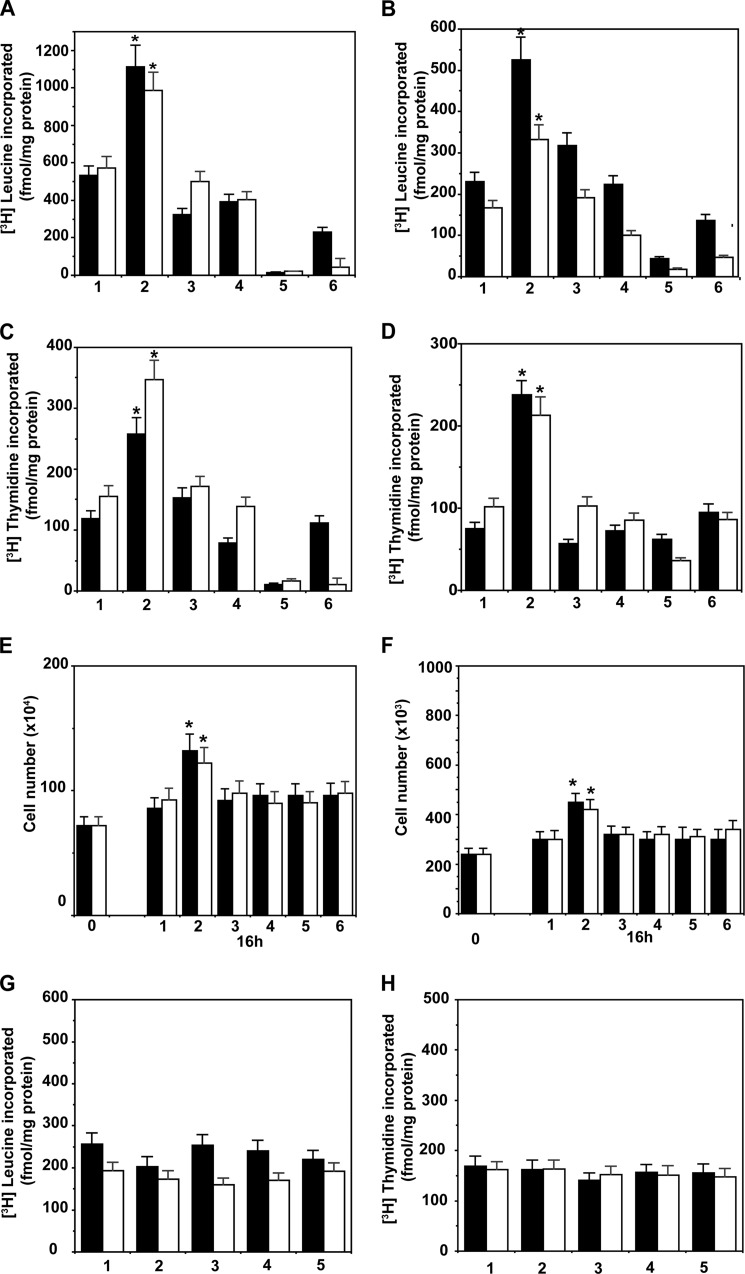
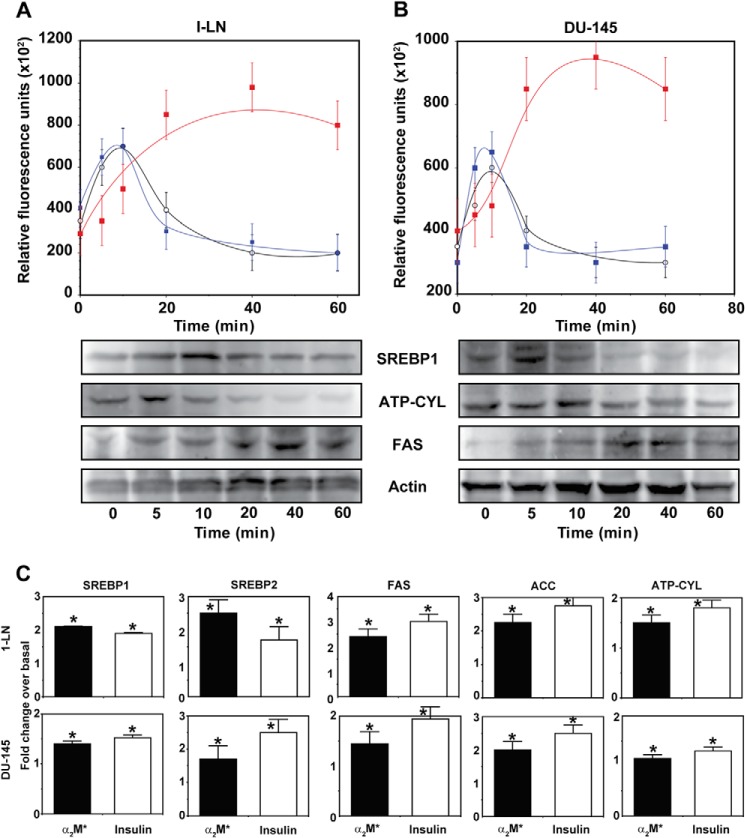
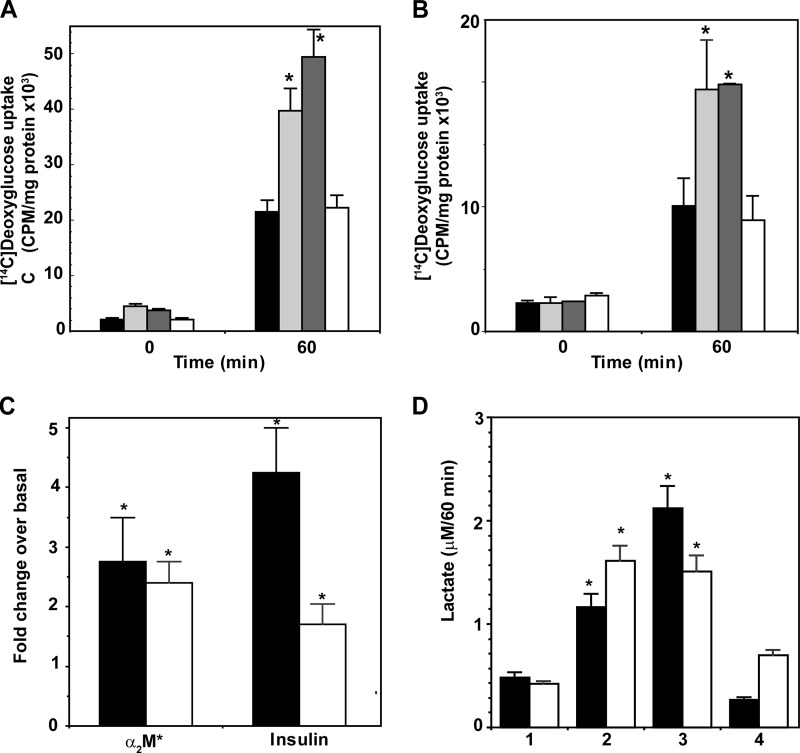
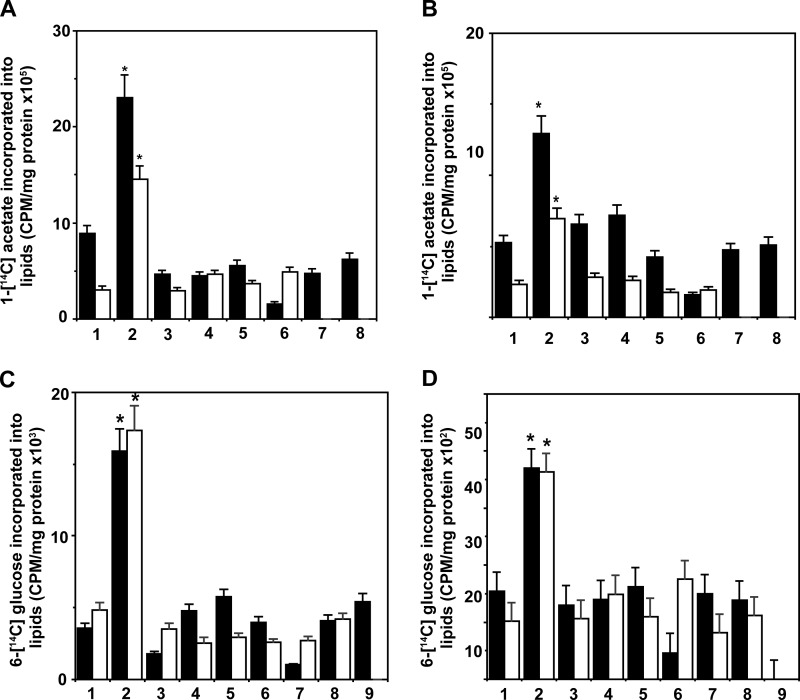
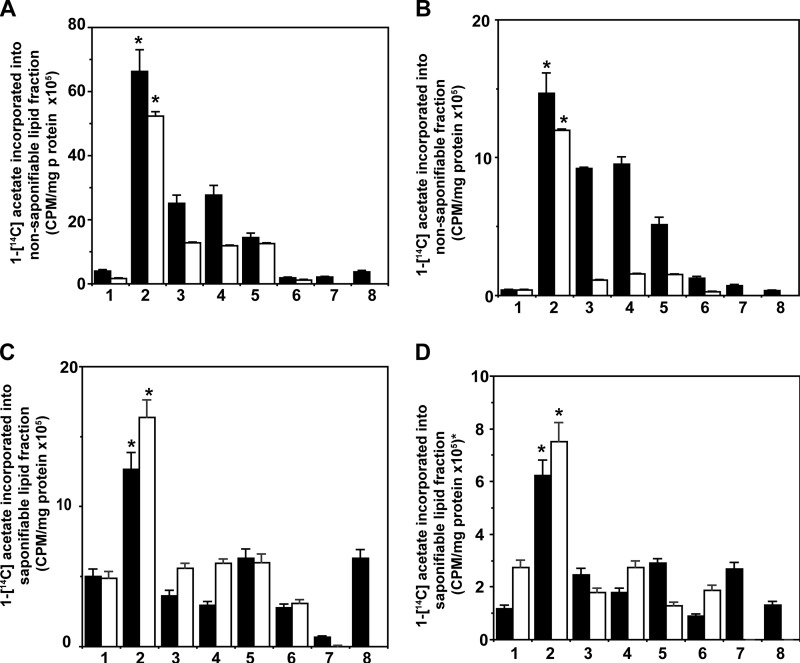
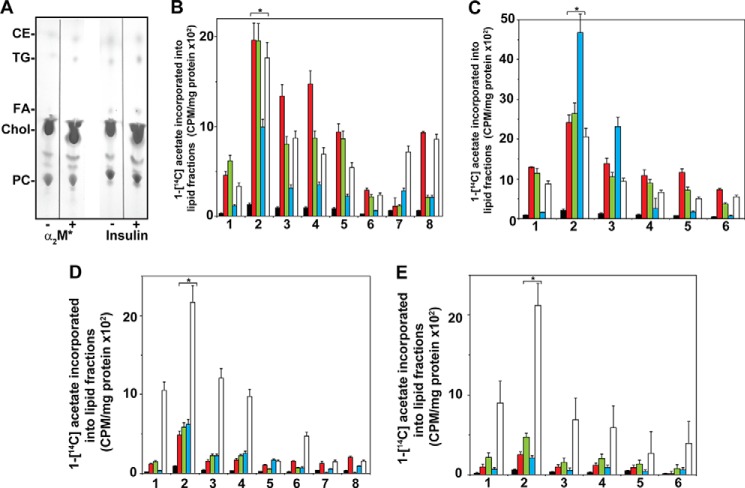
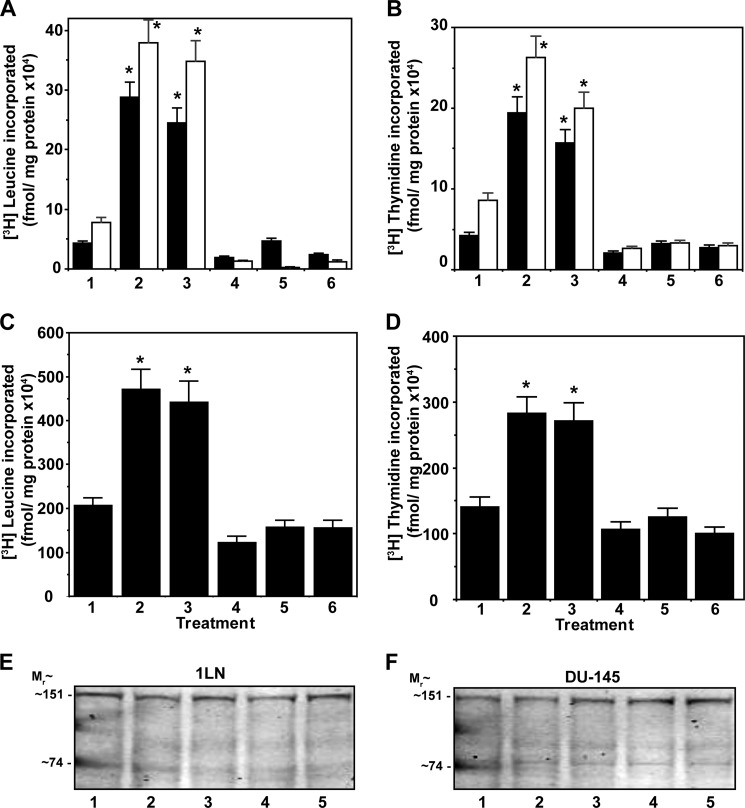
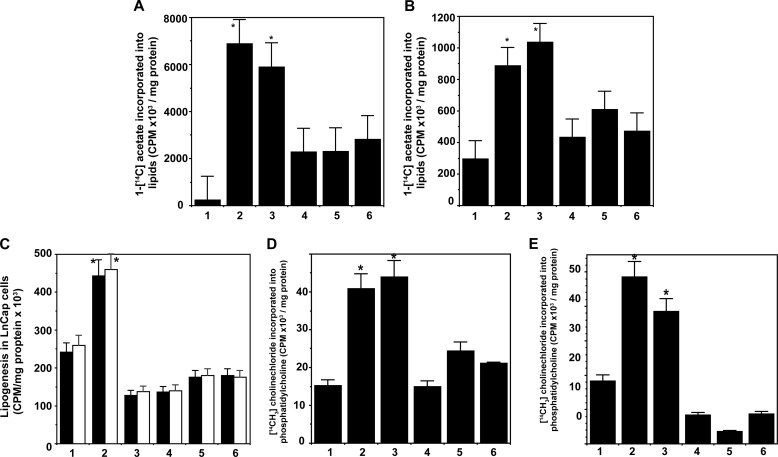
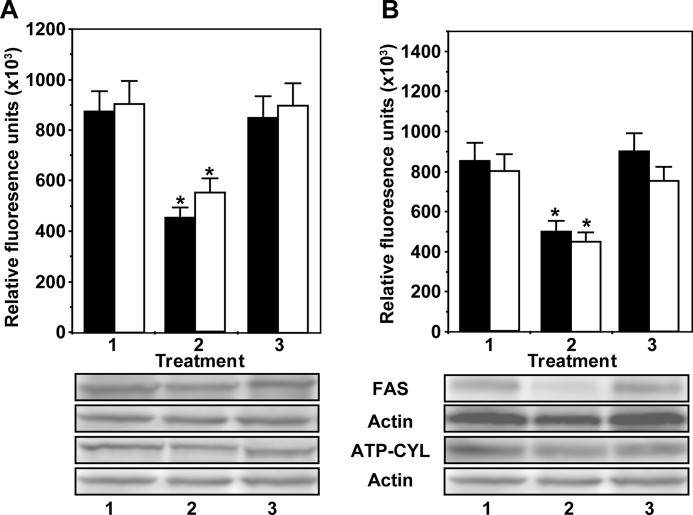
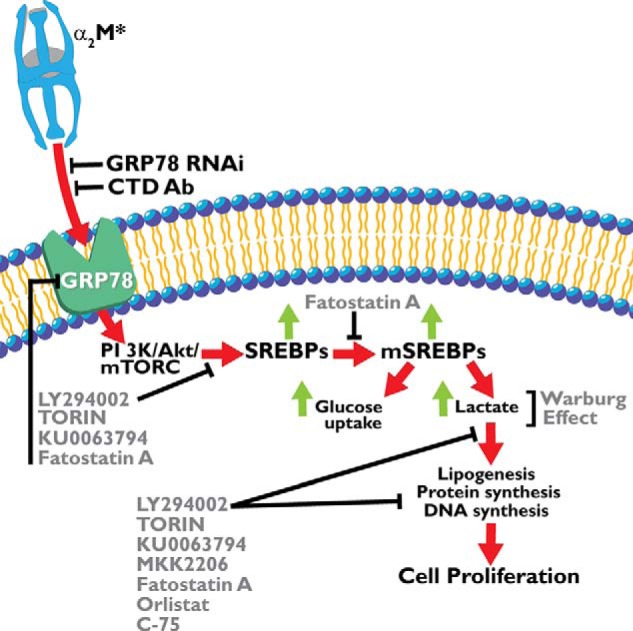
Ligation of cell surface GRP78 by activated α2-macroglobulin (α2M*) promotes cell proliferation and suppresses apoptosis. α2M*-treated human prostate cancer cells exhibit a 2-3-fold increase in glucose uptake and lactate secretion, an effect similar to insulin treatment. In both α2M* and insulin-treated cells, the mRNA levels of SREBP1-c, SREBP2, fatty-acid synthase, acetyl-CoA carboxylase, ATP citrate lyase, and Glut-1 were significantly increased together with their protein levels, except for SREBP2. Pretreatment of cells with α2M* antagonist antibody directed against the carboxyl-terminal domain of GRP78 blocks these α2M*-mediated effects, and silencing GRP78 expression by RNAi inhibits up-regulation of ATP citrate lyase and fatty-acid synthase. α2M* induces a 2-3-fold increase in lipogenesis as determined by 6-[(14)C]glucose or 1-[(14)C]acetate incorporation into free cholesterol, cholesterol esters, triglycerides, free fatty acids, and phosphatidylcholine, which is blocked by inhibitors of fatty-acid synthase, PI 3-kinase, mTORC, or an antibody against the carboxyl-terminal domain of GRP78. We also assessed the incorporation of [(14)CH3]choline into phosphatidylcholine and observed similar effects. Lipogenesis is significantly affected by pretreatment of prostate cancer cells with fatostatin A, which blocks sterol regulatory element-binding protein proteolytic cleavage and activation. This study demonstrates that α2M* functions as a growth factor, leading to proliferation of prostate cancer cells by promoting insulin-like responses. An antibody against the carboxyl-terminal domain of GRP78 may have important applications in prostate cancer therapy.
Keywords: Aerobic Glycolysis; Antibody Directed Against the Carboxyl-terminal Domain of GRP78; Cell Surface GRP78; Glycolysis; Lipogenesis; Prostate Cancer; Signal Transduction; Warburg Effect; α-2-Macroglobulin and Metabolic Regulation.
© 2015 by The American Society for Biochemistry and Molecular Biology, Inc.
Figures
References
-
- Jemal A., Thomas A., Murray T., Thun M. (2002) Cancer statistics. CA Cancer J. Clin. 52, 23–47 - PubMed
-
- Abate-Shen C., Shen M. M. (2000) Molecular genetics of prostate cancer. Genes Dev. 14, 2410–2434 - PubMed
-
- Montano X., Djamgoz M. B. (2004) Epidermal growth factor, neurotrophins and the metastatic cascade in prostate cancer. FEBS Lett. 571, 1–8 - PubMed
-
- Schlessinger J. (2000) Cell signaling by receptor tyrosine kinases. Cell 103, 211–225 - PubMed
MeSH terms
Substances
LinkOut - more resources
Full Text Sources
Medical
Research Materials
Miscellaneous
