


Pathogenesis, Epidemiology, Diagnosis and Clinical Aspects of Smith-Lemli-Opitz Syndrome
- PMID: 25734025
- PMCID: PMC4343216
- DOI: 10.1517/21678707.2015.1014472
Pathogenesis, Epidemiology, Diagnosis and Clinical Aspects of Smith-Lemli-Opitz Syndrome
Abstract
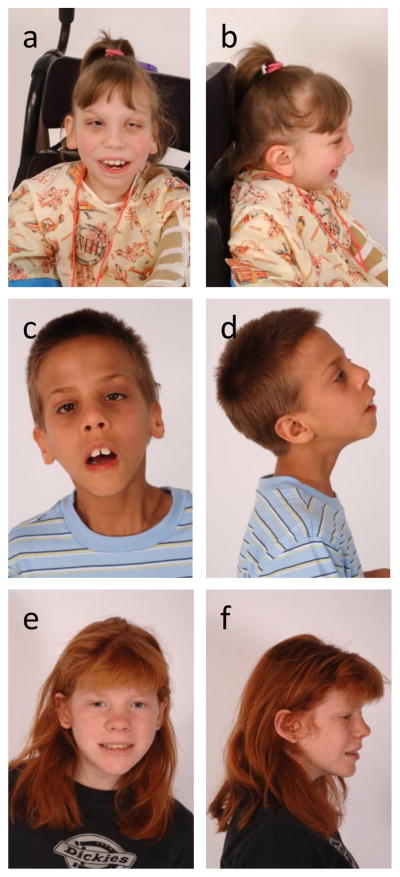
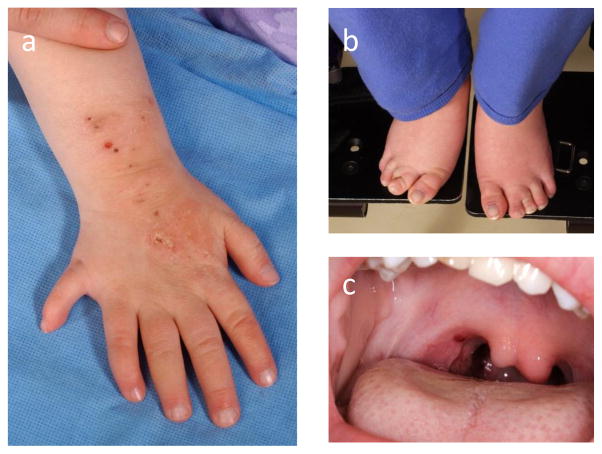
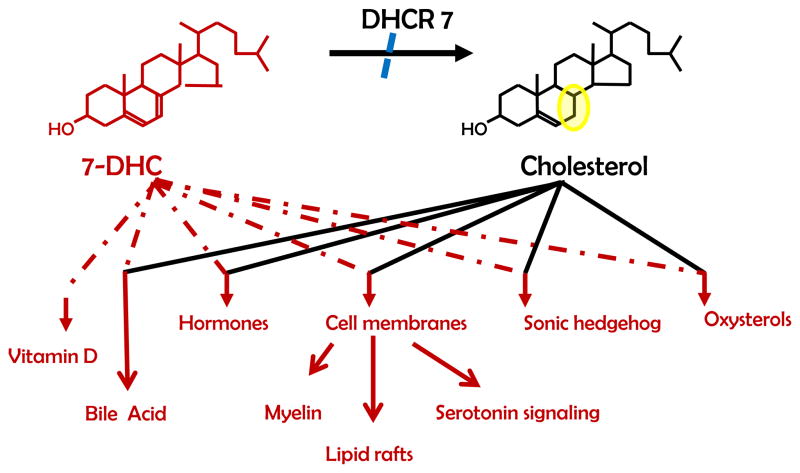
Introduction: Smith-Lemli-Opitz Syndrome (SLOS) is a malformation syndrome inherited in an autosomal recessive fashion. It is due to a metabolic defect in the conversion of 7-dehydrocholesterol to cholesterol, which leads to an accumulation of 7-dehydrocholesterol and frequently a deficiency of cholesterol. The syndrome is characterized by typical dysmorphic facial features, multiple malformations, and intellectual disability.
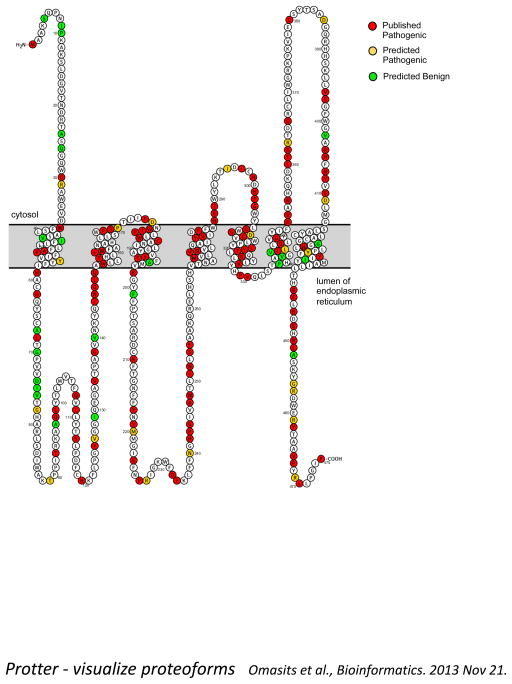
Areas covered: In this paper we provide an overview of the clinical phenotype and discuss how the manifestations of the syndrome vary depending on the age of the patients. We then explore the underlying biochemical defect and pathophysiological alterations that may contribute to the many disease manifestations. Subsequently we explore the epidemiology and succinctly discuss population genetics as they relate to SLOS. The next section presents the diagnostic possibilities. Thereafter, the treatment and management as is standard of care are presented.
Expert opinion: Even though the knowledge of the underlying molecular mutations and the biochemical alterations is being rapidly accumulated, there is currently no efficacious therapy addressing neurological dysfunction. We discuss the difficulty of treating this disorder, which manifests as a combination of a malformation syndrome and an inborn error of metabolism. A very important factor in developing new therapies is the need to rigorously establish efficacy in controlled trials.
Figures
References
-
- Smith DW, Lemli L, Opitz JM. A newly recognized syndrome of multiple congenital anomalies. J Pediatr. 1964;64:210–7. first description. - PubMed
-
- Irons M, Elias ER, Salen G, Tint GS, Batta AK. Defective cholesterol biosynthesis in Smith-Lemli-Opitz syndrome. Lancet. 1993;341(8857):1414. - PubMed
-
- Tint GS, Irons M, Elias ER, Batta AK, Frieden R, Chen TS, et al. Defective cholesterol biosynthesis associated with the Smith-Lemli-Opitz syndrome. N Engl J Med. 1994;330(2):107–13. - PubMed
Grants and funding
LinkOut - more resources
Full Text Sources
Other Literature Sources
Medical