


Candida pneumonia in intensive care unit?
- PMID: 25734099
- PMCID: PMC4324192
- DOI: 10.1093/ofid/ofu026
Candida pneumonia in intensive care unit?
Abstract
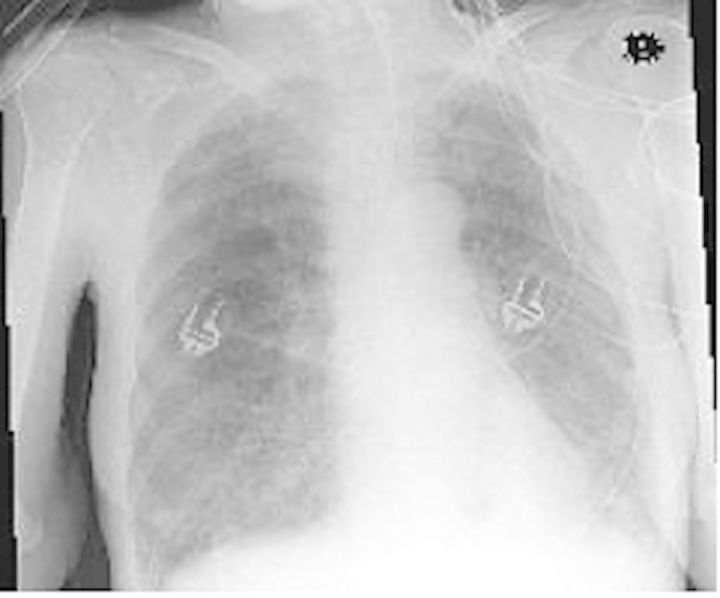
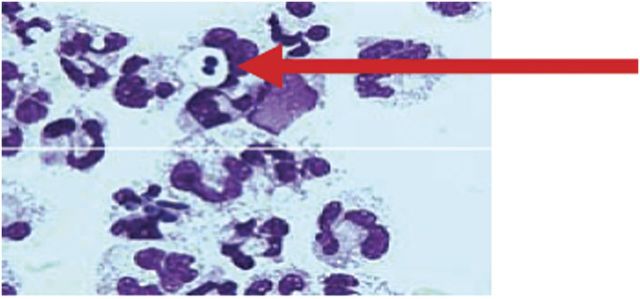
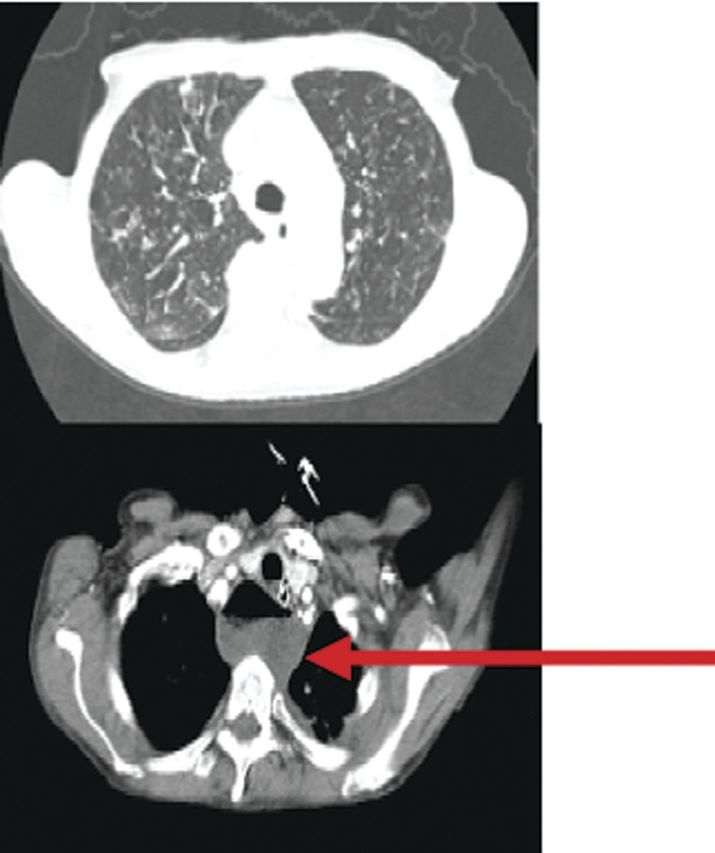
It has been questioned if Candida pneumonia exists as a clinical entity. Only histopathology can establish the definite diagnosis. Less invasive diagnostic strategies lack specificity and have been insufficiently validated. Scarcity of this pathomechanism and nonspecific clinical presentation make validation and the development of a clinical algorithm difficult. In the present study, we analyze whether Candida pneumonia exists in our critical care population. We used a bronchoalveolar lavage (BAL) specimen database that we have built in a structural diagnostic approach to ventilator-associated pneumonia for more than a decade consisting of 832 samples. Microbiological data were linked to clinical information and available autopsy data. We searched for critically ill patients with respiratory failure with no other microbiological or clinical explanation than exclusive presence of Candida species in BAL fluid. Five cases could be identified with Candida as the likely cause of pneumonia.
Keywords: Candida; Zenker's diverticulum; bronchoalveolar lavage; pneumonia.
Figures
References
-
- Torres A, Ewig S, Lode H, et al. Defining, treating and preventing hospital acquired pneumonia: European perspective. Intensive Care Med. 2009;35:9–29. - PubMed
-
- Linssen CF, Bekers O, Drent M, et al. C-reactive protein and procalcitonin concentrations in bronchoalveolar lavage fluid as a predictor of ventilator-associated pneumonia. Ann Clin Biochem. 2008;45(Pt 3):293–8. - PubMed
-
- Baselski V. Microbiologic diagnosis of ventilator-associated pneumonia. Infect Dis Clin North Am. 1993;7:331–57. - PubMed
-
- Allaouchiche B, Jaumain H, Dumontet C, et al. Early diagnosis of ventilator-associated pneumonia. Is it possible to define a cutoff value of infected cells in BAL fluid? Chest. 1996;110:1558–65. - PubMed
-
- Azoulay E, Timsit JF, Tafflet M, et al. Candida colonization of the respiratory tract and subsequent Pseudomonas ventilator-associated pneumonia. Chest. 2006;129:110–7. - PubMed
LinkOut - more resources
Full Text Sources
Other Literature Sources
